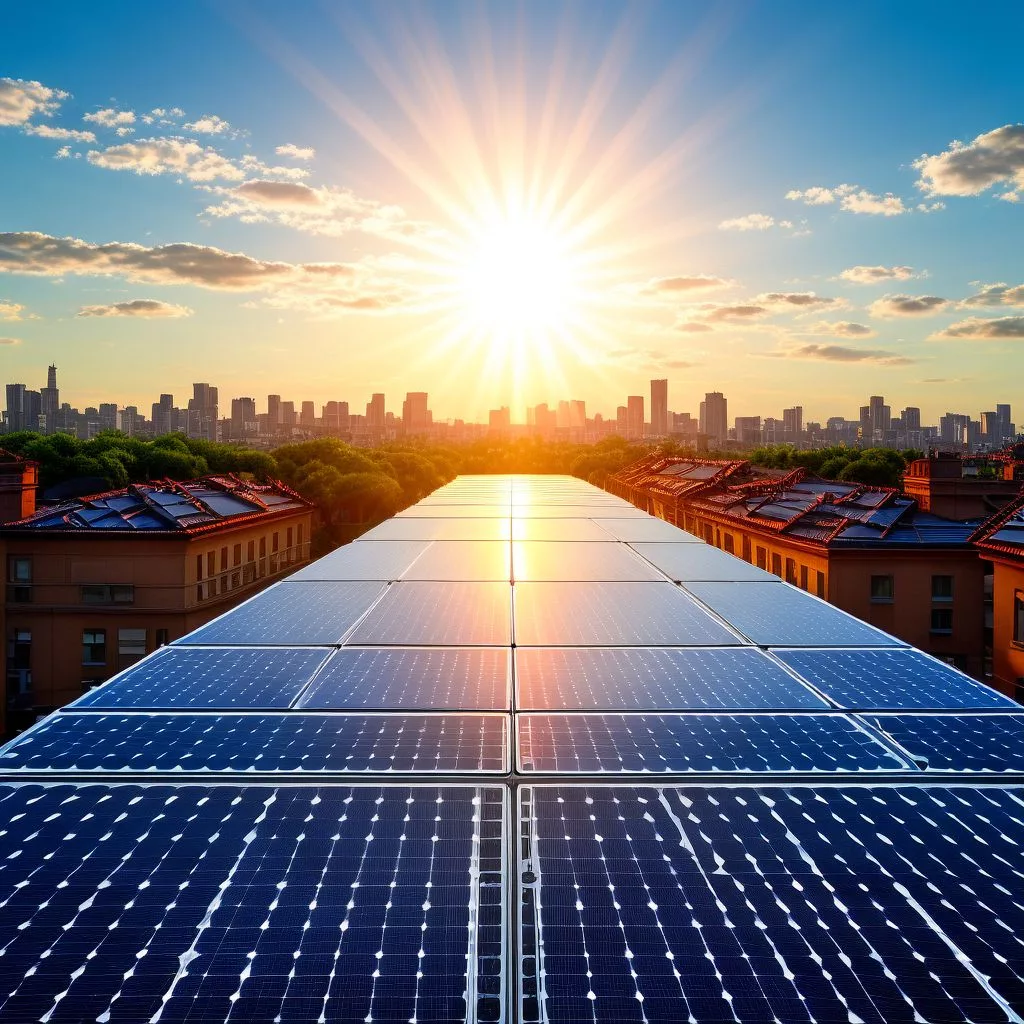
South Africa’s recent break from power cuts isn’t because Eskom fixed its problems, but thanks to everyday people using rooftop solar panels and community energy projects. With less electricity needed by big industries due to economic troubles, the country has found some breathing room. While Eskom boasts about progress, the real heroes are families and small businesses who took energy into their own hands. This grassroots energy shift is creating a stronger, more independent future for South Africans, lighting the way beyond traditional power struggles.
Why has South Africa recently experienced a temporary pause in loadshedding?
South Africa’s recent pause in loadshedding is driven mainly by decentralized rooftop solar installations, reduced industrial electricity demand due to economic decline, and community-led energy solutions. These grassroots efforts, rather than Eskom’s management, have significantly improved energy resilience despite ongoing utility challenges.
The Illusion of Recovery
South Africa stands at a critical crossroads in its ongoing energy saga. Government officials and Eskom executives paint a picture of recovery, their public pronouncements reassuring a weary nation. The numbers they tout seem impressive: Eskom CEO Dan Marokane recently reported to Parliament that the country reached a milestone of 311 days without loadshedding. He credited a so-called “Generation Recovery Plan” for this achievement, insisting that the company accomplished this turnaround without relying on diesel-fueled contingency reserves. For millions frustrated by years of rolling blackouts, these claims offered a glimmer of hope.
However, history urges skepticism before accepting official narratives at face value. If we look beyond the surface, a more nuanced reality emerges – one shaped less by management prowess and more by grassroots adaptation. Much like the grand declarations of success from industrialists or government planners throughout history, Eskom’s current optimism masks the complex forces truly at play.
While executives celebrate from the boardroom, the frontline story belongs to South Africans themselves. Citizens, businesses, and communities – pushed to their limits by unreliable power – have rewritten the energy script through their own ingenuity and determination. Their actions, rather than centralized planning, have become the true engine behind the country’s recent respite from power cuts.
Solar as a Silent Saviour
Ordinary people and entrepreneurs, faced with regular disruptions, have not waited for Eskom to solve the crisis. Instead, they have taken matters into their own hands, leading to an unprecedented rise in rooftop solar installations. According to the South African Photovoltaic Industry Association, the nation’s installed solar PV capacity reached almost 9 gigawatts by 2024. Remarkably, over two-thirds of this capacity came from decentralized sources – individual homes and businesses that installed their own solar arrays.
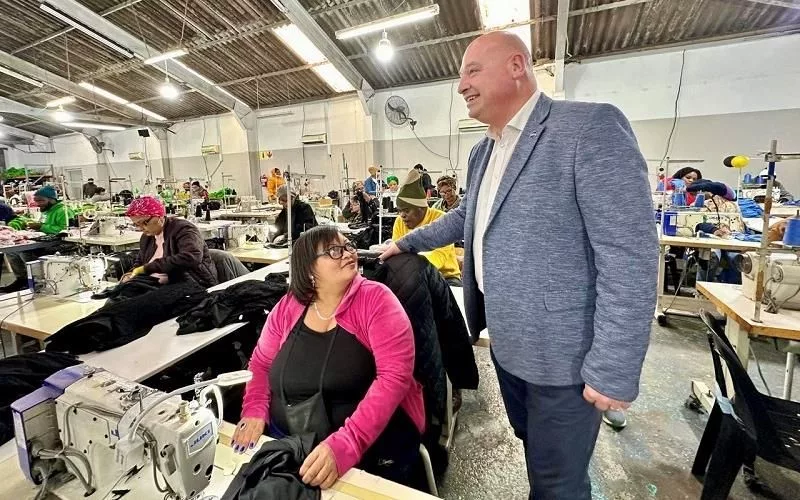
This grassroots revolution has fundamentally altered the country’s energy landscape. Rooftop solar systems now provide enough power to offset the equivalent of six stages of loadshedding. In suburbs that once braced for dark evenings, families now keep watch over their solar panels, feeling more in control of their daily lives. Small businesses, from bakeries to tailoring shops, describe newfound freedom from Eskom’s unpredictable schedules. Instead of depending on the utility, they chart their own course by harnessing the sun.
This movement recalls earlier waves of self-reliance, such as the Arts and Crafts movement, where craftspeople reclaimed agency from large-scale manufacturers. In this modern context, South Africans have used solar panels and inverters as their tools, piecing together a nationwide patchwork of energy independence.
The Shadow of Economic Decline
While innovation has played a major role, the country’s economic struggles have also contributed to the drop in electricity demand. Ongoing downturns have forced factories to reduce operations, mines to limit output, and large industries to operate far below their usual capacity. This weakened demand has allowed Eskom to keep up appearances, meeting reduced needs even as its infrastructure remains fragile.
Data backs up this reality. Eskom’s Energy Availability Factor (EAF) – the key measure of its operational efficiency – remains dismal. Between April and early May 2025, the EAF hovered at 56.77%, actually lower than the previous year’s disappointing performance. This figure falls well short of Eskom’s own target of 70%, a threshold it claimed would end loadshedding for good. The company’s public optimism, then, stands on shaky ground.
Moreover, Eskom continues to rely heavily on high-cost, polluting diesel generators to maintain supply. In just a few weeks of the new financial year, the utility spent R2.43 billion on diesel for its Open-Cycle Gas Turbines, more than double what it used in the same period last year. These plants produced 415 gigawatt-hours of electricity at steep financial and environmental costs – a tactic reminiscent of the short-term fixes governments employed during past energy crises.
Eskom’s Paradox and Customer Backlash
Despite increases in installed generation capacity – from 39.7 to 52.3 gigawatts over three decades – Eskom still struggles to meet a peak demand now below 28 gigawatt-hours. This paradox highlights the deeper issues plaguing the utility. In fact, Eskom’s successes often stem less from actual improvement and more from shifting circumstances beyond its control.
The relationship between Eskom and its customers has grown increasingly tense, especially with the rise of rooftop solar. Homeowners and businesses who invested in solar and eased pressure on the grid now find themselves penalized. In April, Eskom introduced sweeping increases to fixed grid connection fees, with some solar users facing hikes of at least 88%. The utility defends these charges as necessary to distribute the cost of maintaining national infrastructure more equitably. Yet, critics argue these rising fees effectively punish those who have reduced their dependence on the state utility, transferring the burden of Eskom’s inefficiency onto its most proactive customers.
This response echoes moments in history when disruptive innovation met resistance from established interests. Like early electric utilities battling gas lamp companies, Eskom’s policy changes reflect the friction that arises when bottom-up change threatens entrenched power structures. As innovation from ordinary citizens accelerates, centralized institutions often scramble to adapt – sometimes by shifting the goalposts.
The Rise of Resilient Communities
Despite the state utility’s attempts to reassert control, South Africa’s recent relief from loadshedding owes more to the resilience and adaptability of its people than to corporate strategy or government intervention. Across the country, communities have devised creative solutions to meet their power needs. In Johannesburg, an artists’ cooperative now runs its workshops on a blend of rooftop solar and battery storage. On the outskirts of Pretoria, tech startups are pioneering microgrids, integrating solar panels, batteries, and smart demand management to serve peri-urban settlements.
Urban planners and architects are taking note, reimagining skylines and public spaces shaped by solar installations. Schools now teach students about electricity not as an abstract concept, but as a practical system they can influence. As these shifts take root, the nation’s imagination expands, and energy generation becomes both a technical challenge and a symbol of agency.
Eskom’s claims of recovery appear increasingly outdated in this context. Around the globe, other countries face similar transitions: utilities in California adapt to decentralized solar, Germany pursues its Energiewende, and rural India experiments with off-grid microgeneration. South Africa’s journey, however, has a unique flavor – driven less by government targets and more by the collective determination of its people.
A New Energy Future
The current chapter in South Africa’s energy story is still being written. As the dynamics of supply and demand evolve, so too does the nation’s vision of what is possible. The outdated model of a single, central utility supplying passive consumers fades, giving way to a diversified and adaptive network of producers and “prosumers.” While Eskom remains a major player, it no longer stands alone at the heart of the country’s energy future.
Innovation has become less about luxury and more about survival. Citizens, motivated by necessity and frustration, have transformed adversity into opportunity. Their efforts have not only cushioned the blow of Eskom’s shortcomings but have started to build a more resilient, flexible, and participatory energy system. This grassroots transformation is creating new patterns of autonomy and empowerment, woven into the daily fabric of South African life.
In the end, the true story of South Africa’s temporary escape from loadshedding is one of collective resilience, ingenuity, and adaptation. As the nation continues to navigate its complex energy landscape, it writes new chapters not of institutional triumph, but of ordinary people shaping their destiny – turning crisis into opportunity and forging a path toward a brighter, more self-reliant future.
FAQ: Understanding South Africa’s Recent Power Pause and the Energy Transition
1. Why has South Africa recently experienced a temporary pause in loadshedding?
South Africa’s recent break from loadshedding is largely due to a combination of factors beyond Eskom’s management. Key drivers include:
- Widespread adoption of rooftop solar panels by households and small businesses, which reduce reliance on the national grid.
- Community energy projects and localized microgrids.
- A decline in industrial electricity demand caused by ongoing economic challenges, which has lessened overall pressure on Eskom’s fragile infrastructure.
Together, these grassroots efforts have provided the country with a much-needed breathing space from rolling blackouts.
2. Has Eskom fixed its problems leading to this pause in loadshedding?
No, Eskom’s operational challenges persist. Despite claims from Eskom executives about recovery milestones, the utility’s key performance metrics remain weak. For example:
- Eskom’s Energy Availability Factor (EAF) recently hovered around 56.77%, below its 70% target.
- The utility continues to rely heavily on expensive and polluting diesel generators.
- Infrastructure issues and maintenance backlogs have not been fully resolved.
The recent respite owes more to external factors like lower demand and decentralized renewable energy adoption than to Eskom’s internal improvements.
3. How significant is rooftop solar in South Africa’s energy landscape?
Rooftop solar has become a silent savior in South Africa’s energy crisis:
- By 2024, South Africa’s total installed solar PV capacity reached nearly 9 gigawatts, with over two-thirds from decentralized sources such as homes and small businesses.
- These solar installations offset the equivalent of about six stages of loadshedding, providing reliable power during Eskom outages.
- This grassroots solar movement empowers citizens and small enterprises to control their own energy use, reducing dependence on the unstable grid.
4. How has Eskom responded to the rise of rooftop solar, and what impact does it have on consumers?
Eskom has introduced significant increases in fixed grid connection fees, particularly affecting solar users, some facing fee hikes of at least 88%. The utility argues these fees are necessary to fairly distribute infrastructure costs.
However, critics see this as penalizing proactive consumers who have invested in solar to ease grid demand. This has led to tensions between Eskom and customers, reflecting struggles between centralized utilities and decentralized energy innovations.
5. What role has South Africa’s economic situation played in the recent energy dynamics?
South Africa’s economic decline has contributed to reduced electricity demand:
- Many factories, mines, and large industries operate below capacity due to economic challenges.
- Lower industrial consumption means less strain on Eskom’s aging and fragile power infrastructure.
- This unintended drop in demand has helped Eskom meet electricity needs despite ongoing operational problems.
6. What does South Africa’s energy future look like beyond Eskom’s control?
South Africa is moving toward a more decentralized, resilient, and participatory energy system:
- Communities are innovating with microgrids, battery storage, and smart demand management.
- Urban planners and educators are incorporating renewable energy concepts into designs and curricula.
- Citizens are shifting from passive consumers to “prosumers” who generate, store, and manage their own electricity.
- While Eskom remains a key player, the energy landscape is diversifying, driven by ordinary people’s ingenuity and determination.
This grassroots transformation is forging a path toward energy independence, sustainability, and empowerment for South Africans.