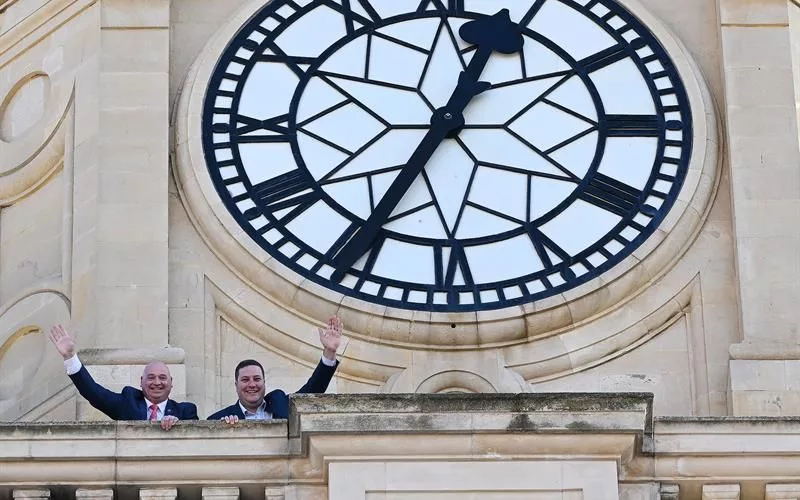
The Cape Town City Hall clock, first installed in 1905, is a proud symbol of the city’s history and spirit. After years of wear, its 2025 restoration brought back its beautiful Westminster chimes and precise timekeeping, reconnecting the city to its rich past. Standing tall beneath Table Mountain, the clock now rings out over the Grand Parade once again, marking moments of celebration and reflection for all Cape Town’s people. This revival not only repairs a machine but also renews a cherished connection between generations, lighting up the heart of the city with tradition and hope.
What is the significance of the Cape Town City Hall clock and its recent restoration?
The Cape Town City Hall clock, installed in 1905 by JB Joyce & Co., is a historic symbol of civic pride and urban heritage. Its 2025 restoration revived its intricate mechanism and Westminster chimes, preserving tradition while enhancing the city’s cultural vitality and connection to history.
Echoes Beneath Table Mountain
Nestled at the foot of Table Mountain, where the salt-laced Atlantic winds meet the urban pulse, Cape Town’s City Hall rises as both landmark and living memory. Its grand Edwardian Baroque architecture – crowned by a stately clock tower – presides over the historic Grand Parade. This iconic square has served as the stage for South Africa’s most jubilant victories and its moments of profound solemnity, holding stories that have shaped the nation.
For decades, the City Hall’s clock and its resonant bells marked the passage of time, weaving their sound through daily city life. Recently, after a meticulous restoration, both the clock and bells have returned to their rightful place in Cape Town’s soundscape. This project reached beyond the mere repair of machinery; it revived a cherished symbol of civic culture, heritage preservation, and the subtle, enduring connections that tie generations of Capetonians together.
The City Hall stands as more than an office of governance. Its presence, architecture, and audible reach have come to embody the city’s spirit, blending the aspirations of its people with the echoes of its past. Every detail, from the ornate façade to the illuminated clock, draws locals and visitors alike into an ongoing dialogue with history.
The Clock’s Storied Legacy
To understand the value of the City Hall’s clock, one must look to the broader tradition of public timekeeping. Since medieval times, city clocks perched atop cathedrals and civic buildings governed the rhythm of daily life, signaling workdays, market hours, and community gatherings. Cape Town’s chimes echo these European roots but tell a story shaped by colonial ambition, urban growth, and the evolution of democracy.
When city planners commissioned the clock mechanism in 1905, they turned to JB Joyce & Co., a British clockmaker renowned for precision and quality. This same firm crafted the movement for London’s famed Big Ben, so their selection was a deliberate statement by Cape Town’s leaders. They strove not only for accuracy but also for international stature, declaring that Cape Town could stand among the world’s great cities.
Installed atop City Hall, the clock quickly became a fixture of urban life. Its bells marked beginnings and endings, signaled moments of crisis or celebration, and etched themselves into the collective memory of Capetonians. The clock’s presence on the Grand Parade underscored the city’s aspirations, both as a cosmopolitan center and as a uniquely South African metropolis.
Restoration: Honoring the Past, Embracing the Future
By March 2025, the relentless passing of time had worn away at the clock’s intricate mechanism. The pounding of Atlantic storms, the constant movement of its pendulum, and the regular tolling of its bells had eroded bushings, bent gears, and threatened the very soundscape that so many had come to cherish. Recognizing both its symbolic and practical value, city officials prioritized a restoration that would honor the clock’s historical significance while ensuring its continued operation for generations to come.
Specialists approached the task with a blend of modern engineering and old-world craftsmanship. Each gear, spring, and bell received attention guided by archival research and technical expertise. Craftspeople sourced materials true to the original design, and painstakingly reassembled the clock’s three-train movement – a marvel that separates the mechanisms for timekeeping, quarter-hour chimes, and striking the hour.
The Westminster chimes, familiar to anyone who has heard Big Ben, once again sweep across the Grand Parade, marking the passage of time with tones both precise and evocative. The restoration, however, extended beyond the clock tower. City Hall itself underwent upgrades to lighting, security, and visitor guidance, transforming the space into a nightly spectacle as its illuminated façade bathes the square in gentle brilliance reminiscent of Impressionist cityscapes.
Living Heritage and Civic Life
On a personal note, my earliest memory of the City Hall clock remains vivid. As a child, I gazed up at the hour hand, marveling at its height and significance, while my father recounted standing in that very square when Nelson Mandela addressed the crowds in 1990. The clock, then silent, bore witness to that historic moment – its presence amplifying the sense of hope and transformation.
Today, the restored clock continues to punctuate the city’s significant events. Its bells ring during citywide festivals, signal the start of marathons, and announce the transition from day to night during evening concerts. During the annual Festive Lights Switch-on, the Grand Parade fills with spectators whose faces glow in the tower’s light. The newly tuned bells add a note of ceremony that digital clocks could never replace.
City Hall has evolved into a vibrant public hub. It hosts everything from the State of the Nation Address to concerts by the Cape Philharmonic Orchestra. Exhibitions, such as the Nelson Mandela in Cape Town Legacy Exhibition, allow both locals and tourists to connect with the city’s complex heritage. The clock’s return to life threads these efforts together, serving as a symbol of continuity in a changing city.
The Clock as Art and Engineering
Beyond its practical purpose, the City Hall clock stands as an example of mechanical artistry. Its hand-finished brass, wood, and steel components reflect the high standards of Edwardian engineering – an era that valued both function and form. The ingenious three-train mechanism allows the clock to perform simultaneously as a timekeeper, a chime, and a striking instrument. With each quarter hour, the Westminster melody flows with precision and clarity, a testament to meticulous design.
The 2025 restoration brought together horologists and artisans who worked in dialogue with the original makers. They respected the intentions of those who built the clock while introducing subtle improvements for durability and compliance with today’s heritage standards. The city’s commitment to authenticity ensured that every restored part would last well into the future.
The clock’s bells are steeped in tradition. Cast to be heard above the bustle of downtown Cape Town, they recall the carillons of Renaissance Europe but have found a unique place in the city’s multicultural fabric. Their presence suggests a willingness to blend imported traditions with local identity, forging a cosmopolitan spirit that defines modern Cape Town.
Urban Renewal and Collective Memory
Restoring the City Hall clock represents more than a technical triumph; it reflects a philosophy of urban stewardship. City leaders regard the building as a “strategic asset” at the heart of Cape Town, serving as both a safeguard for heritage and a catalyst for economic and cultural vitality. Upgrading security, visitor experience, and lighting extends the building’s role beyond its historic façade, invigorating the surrounding precinct and ensuring the city center remains secure, accessible, and dynamic.
Alderman James Vos has emphasized the constant demand for City Hall as a venue, a testament to its role as a gathering place for the community. Whether it hosts orchestral performances or civic addresses, the building’s living narrative continues to unfold to the sound of its newly restored bells. Every event, every gathering, answers the call of the clock, reinforcing a sense of place and belonging.
The City Hall clock, chiming reliably once again, stands in contrast to the neglected landmarks that mar so many urban centers. Here, investment in preservation becomes an act of collective memory, affirming the city’s belief in the power of tradition and the necessity of public care.
A Beacon for the Future
Cape Town’s City Hall – with its Edwardian elegance and gleaming clock tower – evokes the ideals of the City Beautiful movement, which held that grand civic design could inspire public virtue and pride. The restored clock, now a luminous presence above the Grand Parade, fulfills this vision by anchoring the city’s dreams in something tangible and enduring.
In every interplay of light on stone, in every toll of the bells, Cape Town finds both renewal and stability. The city’s leaders, stewards, and artisans have ensured that the City Hall clock remains more than a mechanism for keeping time. It stands as a living monument – a guardian of memory and hope – woven into the very soul of the Mother City. Here, tradition and modernity meet, and the future is counted out in chimes that remind every listener of both where Cape Town has been and where it aspires to go.
FAQ: Cape Town City Hall Clock Restoration
What is the historical significance of the Cape Town City Hall clock?
The Cape Town City Hall clock, installed in 1905 by the renowned British clockmaker JB Joyce & Co., is a symbol of civic pride and urban heritage. Positioned atop the Edwardian Baroque City Hall overlooking the Grand Parade, the clock has marked key moments in Cape Town’s history – from celebrations to solemn events – embedding itself in the collective memory of the city’s people. It reflects Cape Town’s aspirations to stand as a cosmopolitan city with deep historical roots.
Why was the 2025 restoration of the clock necessary?
After more than a century of service, the clock’s intricate mechanism suffered wear due to constant operation and exposure to Atlantic weather. Components like bushings and gears had eroded, threatening both accuracy and the iconic Westminster chimes. The 2025 restoration was essential to preserve this historic timepiece’s function and sound, ensuring it continues to serve as a symbol of tradition and civic identity for future generations.
How was the restoration of the clock carried out?
The restoration combined modern engineering with traditional craftsmanship. Specialists meticulously repaired and replaced worn parts, sourced materials matching the original design, and restored the clock’s three-train movement – which separately controls timekeeping, quarter-hour chiming, and hourly striking. The team aimed to honor the original 1905 craftsmanship while upgrading durability and ensuring compliance with contemporary heritage standards.
What makes the City Hall clock’s Westminster chimes special?
The Westminster chimes, famously associated with London’s Big Ben, are a melody that marks each quarter-hour with precise and evocative tones. Cape Town’s clock shares this distinctive sound, connecting the city to a long European tradition of public timekeeping. The restoration revived these chimes to once again ring out over the Grand Parade, marking time in a way that no digital clock can replicate, enhancing the city’s unique cultural soundscape.
How does the clock contribute to Cape Town’s civic and cultural life today?
Beyond timekeeping, the clock serves as a living heritage symbol that punctuates civic events, festivals, and public gatherings. It rings during marathons, concerts, and seasonal celebrations like the Festive Lights Switch-on, creating a sense of ceremony and continuity. City Hall itself has become a vibrant hub, hosting performances and exhibitions that connect locals and visitors with Cape Town’s rich past and evolving identity.
What broader impact does the restoration have on Cape Town’s urban environment?
Restoring the City Hall clock is part of a larger effort in urban renewal and heritage preservation. The project has improved lighting, security, and visitor facilities at City Hall, enhancing the precinct’s vitality and safety. It symbolizes a commitment to caring for historic landmarks as “strategic assets,” fostering civic pride, cultural tourism, and economic growth while reinforcing a shared sense of place and history in the heart of Cape Town.
If you want to learn more or plan a visit, the Cape Town City Hall and its newly restored clock stand as a testament to the city’s enduring spirit.