In South Africa, the fight against gender-based violence and femicide is a major focus for both the government and community groups. Special police units, like the Family Violence, Child Protection, and Sexual Investigations Unit (FCS), work hard to investigate crimes and support victims. Victim Friendly Rooms in police stations provide a safe space for survivors to report incidents without fear. Despite these efforts, the battle continues as many women and children still face violence, highlighting the need for ongoing awareness and action to create a safer society for all.
What actions are being taken to combat gender-based violence and femicide in South Africa?
The South African government, alongside civil society, is tackling gender-based violence and femicide (GBVF) through initiatives like the FCS Unit, GBVF Desks in police stations, and Victim Friendly Rooms. These efforts include focused investigations, community support, and raising awareness to promote safety and justice.
Ongoing Crisis and Governmental Response
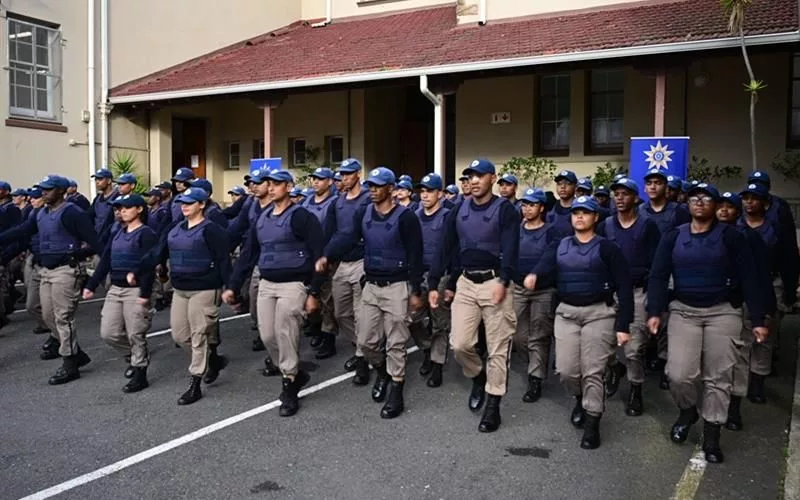
South Africa faces a critical challenge with gender-based violence and femicide (GBVF), prompting both government bodies and civil society to take action. The South African Police Service (SAPS) is intensifying efforts during the annual 16 Days of Activism for No Violence Against Women and Children campaign. Despite these initiatives, the stark reality of crimes against women and children serves as a constant reminder of the work still needed. Recent crime statistics released by the Minister of Police, Mr. Senzo Mchunu, reveal a mix of progress and persistent issues. Although some crime categories show a decline, the high rate of murders involving women and children calls for urgent measures.
Minister Mchunu has highlighted the complexity of addressing GBVF, which requires targeted interventions and collaborative efforts. This national priority not only devastates families and communities but also poses unique challenges that demand a concentrated response. To tackle these crimes more effectively, the Family Violence, Child Protection, and Sexual Investigations Unit (FCS) was established, focusing on these critical areas.
The FCS Unit, part of the SAPS Detectives division, consists of 176 units nationwide dedicated to preventing and investigating family violence, crimes against children, and sexual offenses. The unit categorizes these offenses into four main types: sexual crimes like incest and rape, person-directed crimes such as assault and murder, illegal removal cases including kidnapping and abduction, and electronic media-facilitated crimes like child pornography. This categorization helps streamline their approach and focus resources on combating the prevalent issues effectively.
The Role of Specialized Units and Personnel
A distinctive feature of the FCS Unit is its integration of Forensic Social Workers (FSWs) who support detectives by conducting psychosocial and risk assessments. These professionals provide therapeutic services and crisis interventions for victims, many of whom suffer from severe trauma and complex emotional challenges. Insights from these assessments often serve as crucial evidence in court cases, aiding the pursuit of justice.
The contributions of the FCS Unit have been significant. Between April 2023 and September 2024, SAPS conducted 16,668 raids targeting GBVF suspects, resulting in the arrest of 29,150 offenders. The judiciary imposed substantial sentences: 556 individuals received life sentences, 480 faced over 20 years in prison, 998 received sentences of 10 to 19 years, and 1,792 were sentenced to 1 to 9 years. These figures reflect a strong legal response and the unit’s dedication to eradicating GBVF.
Additionally, SAPS has introduced GBVF Desks in police stations across the country to ensure these cases receive prompt and prioritized attention. This proactive initiative demonstrates the government’s commitment to addressing the crisis. Complementing this effort, 1,161 Victim Friendly Rooms (VFRs) have been set up in various police facilities, offering victims a private, secure environment to report crimes away from the intimidating atmosphere of a standard police station, thereby encouraging more victims to come forward.
Historical and Cultural Context
South Africa’s history of gender-based violence is intertwined with broader global patterns, where patriarchal structures and societal norms continue to perpetuate gender imbalances. The nation’s socio-political history, including the legacy of apartheid and its aftermath, adds layers of complexity to the current efforts. Systemic inequalities and socio-economic challenges often exacerbate violence against marginalized communities.
In the realm of artistic movements, parallels emerge with feminist art movements that challenged societal repression and violence. Artists have historically used their platforms to provoke dialogue and challenge norms, similar to how feminist movements addressed domestic violence and gender discrimination. In South Africa, art has served as a powerful catalyst for social change, highlighting issues overlooked by mainstream discourse and giving voice to those silenced by oppression.
Despite some progress, the path forward remains challenging. The deeply rooted nature of gender-based violence necessitates not only legal and institutional reforms but also a profound cultural shift. Education and awareness play critical roles in dismantling entrenched stereotypes and creating an environment that fosters respect and equality.
Grassroots and International Efforts
Alongside law enforcement, grassroots organizations and NGOs are essential in supporting victims and advocating for systemic change. These groups often complement governmental initiatives by providing on-the-ground support and raising awareness through community engagement and education. Their work is vital in breaking the cycle of violence and promoting healing and empowerment for survivors.
The fight against GBVF in South Africa resonates with global movements advocating for women’s rights and gender equality. International campaigns increasingly recognize the need for comprehensive strategies encompassing prevention, protection, and prosecution. Collaboration across sectors – government, civil society, and international partners – can drive meaningful change and progress.
South Africa’s struggle against GBVF reflects a broader global endeavor to create a safer, more equitable society. As SAPS and other stakeholders continue their efforts, the resilience and courage of victims and advocates serve as powerful reminders of the mission’s importance. Although challenges persist, the ongoing commitment to justice and equality fuels hope for a future where all individuals live free from the threat of violence.
FAQ on Addressing Gender-Based Violence and Femicide in South Africa
What is the main focus of the fight against gender-based violence and femicide in South Africa?
The fight against gender-based violence and femicide (GBVF) is a major focus for both the South African government and community groups. It involves investigating crimes, supporting victims, and raising awareness to promote safety and justice across the nation.
What initiatives have been established to combat GBVF in South Africa?
The South African government has established several initiatives, including the Family Violence, Child Protection, and Sexual Investigations Unit (FCS), GBVF Desks in police stations, and Victim Friendly Rooms. These initiatives aim to provide support to victims, ensure thorough investigations, and create safer reporting environments.
How does the FCS Unit operate in South Africa?
The FCS Unit is a specialized police unit consisting of 176 units nationwide dedicated to preventing and investigating family violence, crimes against children, and sexual offenses. They categorize offenses into four main types to streamline their approach, and they also work alongside Forensic Social Workers to provide psychosocial support and conduct assessments that aid in court cases.
What have recent statistics revealed about GBVF in South Africa?
Recent statistics have shown a mix of progress and persistent issues regarding GBVF. From April 2023 to September 2024, the South African Police Service conducted 16,668 raids targeting GBVF suspects, resulting in over 29,000 arrests. The judiciary has imposed significant sentences, including life sentences, showing a strong legal response to these crimes.
How are grassroots organizations contributing to the fight against GBVF?
Grassroots organizations and NGOs play a crucial role in supporting victims and advocating for systemic change. They complement governmental initiatives by providing on-the-ground assistance, raising awareness through community engagement, and fostering healing and empowerment for survivors of violence.
What historical factors contribute to the persistence of gender-based violence in South Africa?
The persistence of gender-based violence in South Africa is influenced by the country’s socio-political history, including the legacy of apartheid, systemic inequalities, and patriarchal structures that perpetuate gender imbalances. Cultural norms and socio-economic challenges further exacerbate the situation, making it essential to address both legal reforms and societal attitudes to create lasting change.