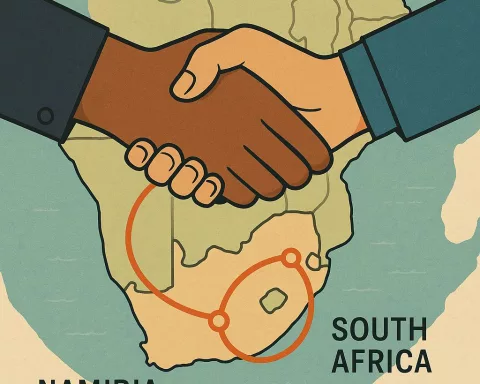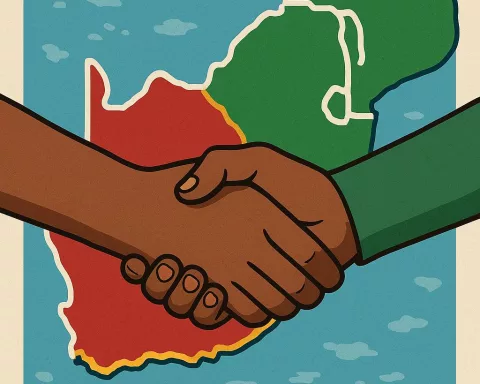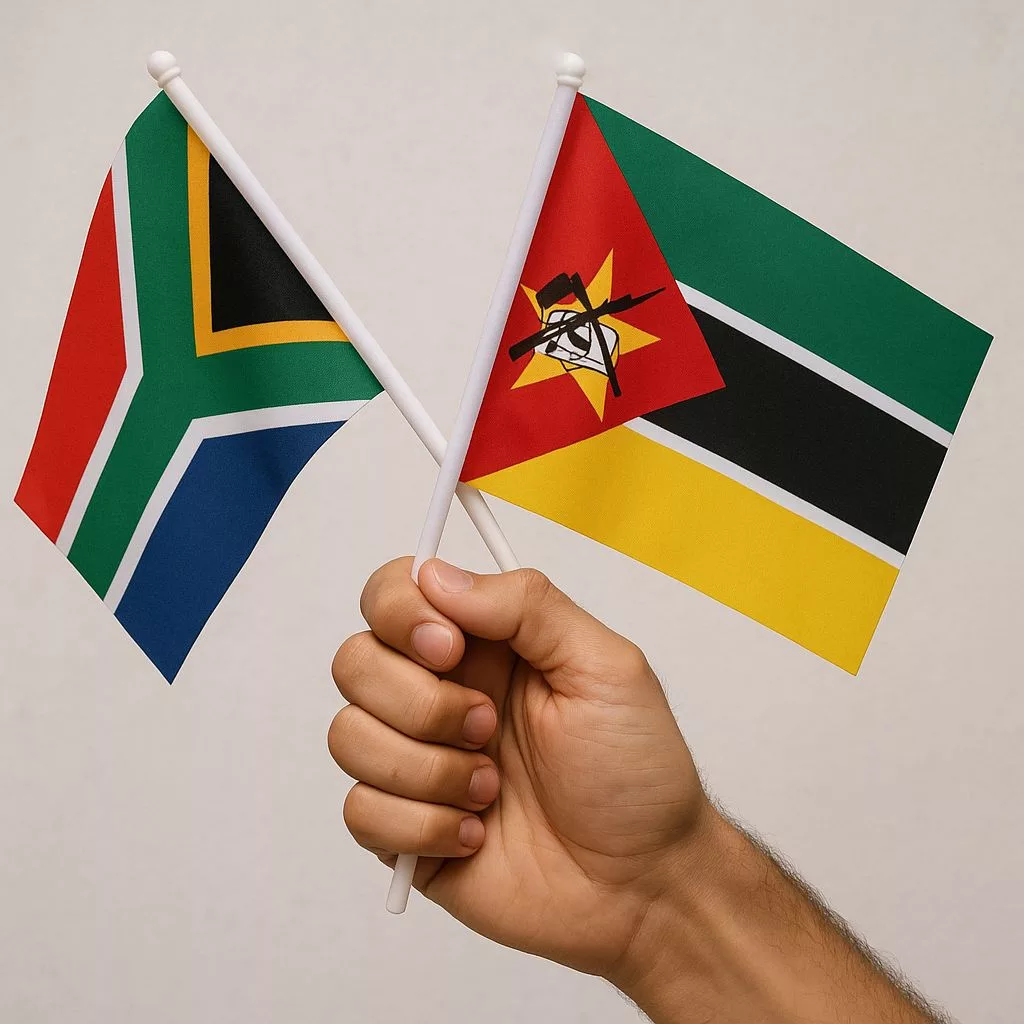
South Africa and Mozambique are like best friends! They have a long, special history of helping each other, especially during tough times. Now, they work together a lot on big projects like building roads and sharing electricity. They also trade many things, helping both countries get richer and safer. This strong friendship helps everyone in their region to grow and be happy.
How do South Africa and Mozambique collaborate?
South Africa and Mozambique collaborate through robust economic partnerships, particularly in trade, energy, and infrastructure development. They share a deep historical bond, engage in security cooperation, and foster cultural and educational exchanges, enhancing regional stability and prosperity.
Recalling a Deeply Intertwined History
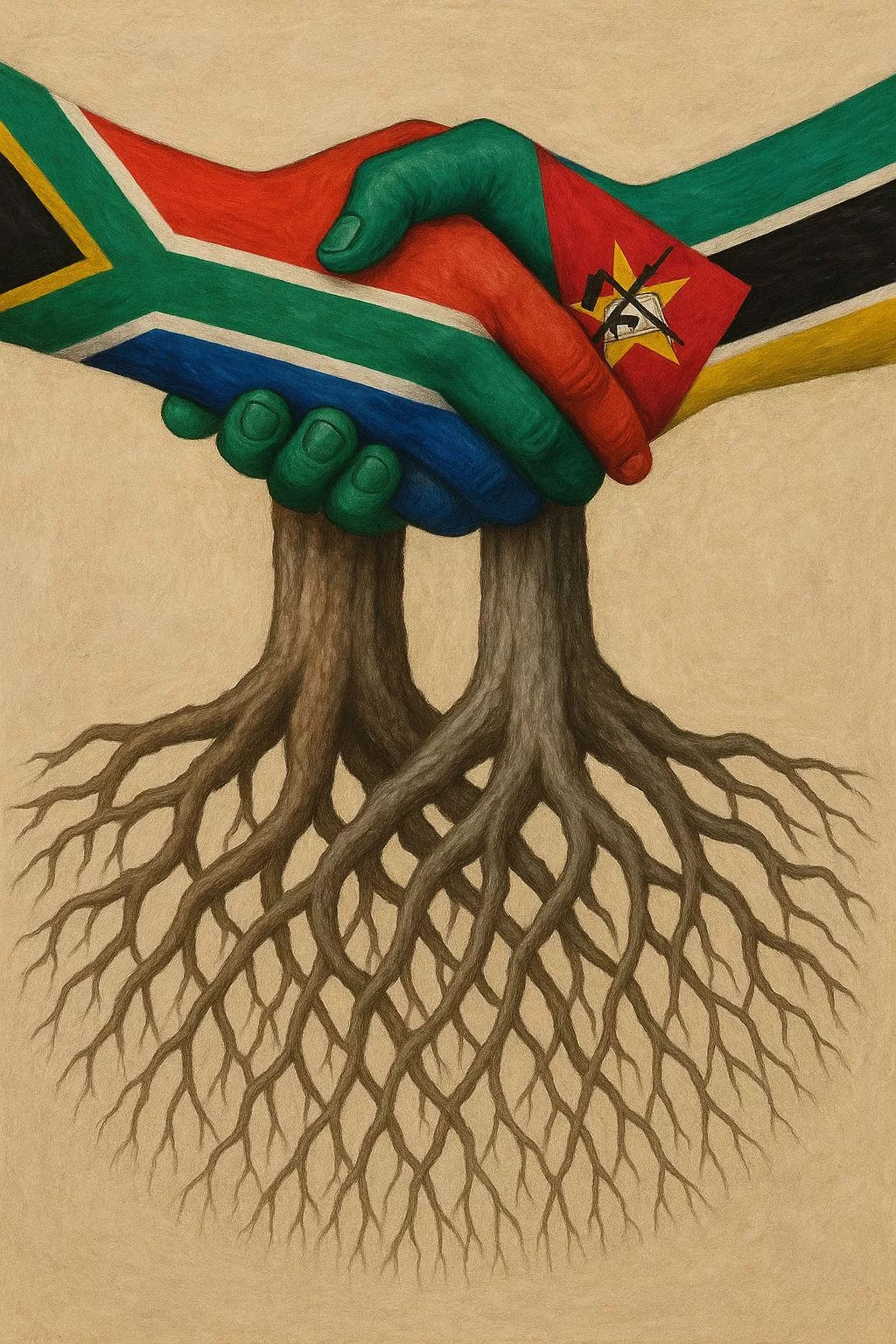
The dynamic bond between South Africa and Mozambique rests on a foundation strengthened by decades of shared experiences. Generations have inherited the legacy of solidarity that defined both nations’ quests for liberation. From the earliest days of opposing colonial oppression to the fierce resistance against apartheid, Mozambican support proved indispensable. Individuals and families in Mozambique routinely braved danger to shelter and aid South African freedom fighters, creating a legacy of profound respect and enduring trust.
This background has shaped a unique fellowship that goes far beyond diplomacy. Families with roots in both regions keep the historic alliance alive, blending traditions, languages, and artistic customs. Maputo, often called a “second home” by many South Africans, reflects this sense of belonging. These threads of mutual support and cultural harmony serve as sturdy pillars in the relationship, signaling an unbroken connection that shapes daily life across both borders.
The legacy of those formative years has transitioned seamlessly into everyday reality, where border communities celebrate cultural festivals together and shared languages ring out in homes, schools, and markets. These cultural links are not symbolic gestures; they exist in the genuine friendships, kinship, and collaboration witnessed in arts, sports, and education.
Building Mutual Prosperity Through Strategic Economic Collaboration
Economic synergy stands at the forefront of modern cooperation. South Africa recognizes Mozambique as both its closest regional trading partner and a critical contributor to its global commerce. This powerful relationship features immense flows of goods, services, and investment. Minerals and energy resources exchange hands with agricultural products and manufactured items, illustrating a partnership that thrives on diversity and mutual benefit.
South African enterprises have long invested heavily in Mozambique’s growth. These contributions, stretching across finance, retail, and especially energy and infrastructure, drive robust development and job creation. In return, Mozambican suppliers and producers tap the vast South African market, fueling a cycle of interdependence. This cross-border engagement helps stabilize economies as they adapt to shifting global landscapes, bringing prosperity to millions on both sides.
Recent years have seen Mozambique emerge as a beacon for major projects. New developments in infrastructure cater to trade expansion, while mutual improvements in customs, ports, and border security smooth the movement of goods. These advancements prepare both countries to lead the continent as commerce accelerates under new agreements and initiatives.
Advancing Regional Growth Through Energy and Infrastructure Partnerships
Energy serves as a powerful example of collaboration’s potential. Notably, the Integrated Hydrocarbons Infrastructure Facility – a partnership uniting Mozambique and Sasol – will soon reshape the region’s energy landscape. This initiative builds on earlier milestones like the Cahora Bassa hydroelectric project, which continues to supply power to both countries and beyond.
Mozambique’s recent discovery of enormous gas deposits in the Rovuma Basin has placed it at the center of the energy conversation in Southern Africa. With significant reserves drawing global attention, South Africa’s close trade and diplomatic ties enable it to act as a core investor and beneficiary. Projects in this sector not only boost government revenues and corporate opportunities, but also create essential job prospects for ordinary citizens.
Outside of hydrocarbons, cooperation extends to transport and infrastructure. The Maputo Development Corridor remains a flagship achievement, uniting South African industries with Mozambican ports through well-maintained road and rail networks. These connections open vital pathways for exports and imports on a continental scale, while fostering modernization in rural and urban centers alike.
Promoting Peace, Security, and Development Across Sectors
Strong security cooperation underpins these economic ambitions. South Africa and Mozambique routinely confront shared challenges in the form of transnational crime networks, illicit trafficking, and armed insurgency. Joint operations, intelligence exchange, and regional efforts – such as contributions to Southern African Development Community (SADC) stabilization missions – illustrate their unity in addressing these threats head-on.
As Mozambique faces ongoing security pressures in its northern regions, particularly from insurgent groups, South Africa supports these efforts through military assistance and technical expertise. Such collaboration safeguards development progress and reinforces the environment needed for investment, trade, and social advancement.
Beyond immediate security, both countries place great importance on institutional frameworks that encourage sustainable growth. The Bi-National Commission (BNC) exemplifies this approach. By bringing together top officials and decision makers, the BNC not only reviews progress but forges agreements to resolve disputes, adapt to changing global markets, and chart new courses in partnership. Its regular meetings provide structure for continuous dialogue and forward planning, ensuring national agendas work in tandem.
Expanding Frontiers: Education, Tourism, and Continental Integration
As economic and defensive priorities receive attention at the highest levels, people-to-people connections remain central to ongoing collaboration. Educational programs, research partnerships, and cultural exchanges further weave the social fabric binding South Africa and Mozambique. University ties expand skillsets, while shared arts festivals and sports events build bridges of understanding and friendship.
Tourism is another vital link connecting the nations. Mozambican shores and wildlife draw thousands of South African holidaymakers each year, while South African cities welcome Mozambican students and professionals seeking opportunities and advancement. Ongoing projects aim to streamline visa processes and coordinate tourism marketing, making it easier for citizens to explore and experience the best of each country.
On a broader scale, both countries champion regional cooperation within blocks like the Southern African Development Community. Their commitment extends to making a success of the African Continental Free Trade Area (AfCFTA). By harmonizing regulations and improving border infrastructure, South Africa and Mozambique strive to become leaders in expanding Africa’s collective markets and accelerating economic integration across the continent.
Looking to the Future: Unity as a Catalyst for Transformation
President Ramaphosa’s reflections at the South Africa-Mozambique Bi-National Commission dinner highlight a multifaceted partnership founded in solidarity, strengthened by commerce, and energized by cultural affinity. His vision calls for continual advancement – through innovation, expanded cooperation, and resilient institutions.
As new projects launch and diplomatic ties deepen, the outlook is optimistic yet pragmatic. Both nations have made strides in energy, infrastructure, tourism, and security, while always remembering the past struggles that created their enduring alliance. The lessons learned from decades of collaboration position South Africa and Mozambique as exemplars of what is possible when neighbors act with unity, determination, and respect.
Moving forward, these intertwined destinies will continue to drive regional stability and development. The combination of youthful energy, policy innovation, and longstanding friendship sets a powerful precedent for the future of Southern Africa and the African continent as a whole.
Here’s a FAQ based on the provided information:
What is the historical relationship between South Africa and Mozambique?
South Africa and Mozambique share a deep, intertwined history rooted in solidarity and mutual support, particularly during the fight against colonial oppression and apartheid. Mozambique provided indispensable aid and shelter to South African freedom fighters, fostering a legacy of profound respect and enduring trust that continues to shape their relationship today. Cultural and family ties further strengthen this historical bond.
How do South Africa and Mozambique collaborate economically?
Economically, South Africa and Mozambique have a robust partnership, with South Africa being Mozambique’s closest regional trading partner. This collaboration involves significant flows of goods (minerals, energy, agricultural products, manufactured items), services, and investment. South African enterprises invest heavily in Mozambique’s finance, retail, energy, and infrastructure sectors, while Mozambican suppliers access the South African market. This interdependence drives development and job creation in both countries.
What major energy and infrastructure projects demonstrate their partnership?
Key energy and infrastructure projects include the Integrated Hydrocarbons Infrastructure Facility (a partnership between Mozambique and Sasol), the long-standing Cahora Bassa hydroelectric project, and collaborative efforts around Mozambique’s vast gas discoveries in the Rovuma Basin. In infrastructure, the Maputo Development Corridor is a flagship achievement, connecting South African industries with Mozambican ports through extensive road and rail networks, facilitating trade and modernization.
How do South Africa and Mozambique address security challenges?
Both nations engage in strong security cooperation to confront shared challenges like transnational crime, illicit trafficking, and armed insurgency. They conduct joint operations, exchange intelligence, and contribute to regional efforts such as SADC stabilization missions. South Africa also provides military assistance and technical expertise to Mozambique, particularly in its northern regions, to safeguard development and maintain stability.
Beyond economics and security, what other areas of cooperation exist?
Collaboration extends to people-to-people connections through educational programs, research partnerships, and cultural exchanges. University ties and shared arts/sports events foster understanding. Tourism is another vital link, with South Africans visiting Mozambican shores and Mozambicans traveling to South Africa. Both countries also champion regional integration efforts within bodies like SADC and support the African Continental Free Trade Area (AfCFTA).
What is the role of the Bi-National Commission (BNC) in their relationship?
The Bi-National Commission (BNC) is a crucial institutional framework that brings together top officials from both countries. Its purpose is to review progress, resolve disputes, adapt to changing global markets, and forge new agreements. Regular BNC meetings ensure continuous dialogue and forward planning, aligning national agendas and reinforcing their strategic partnership for sustained growth and regional stability.