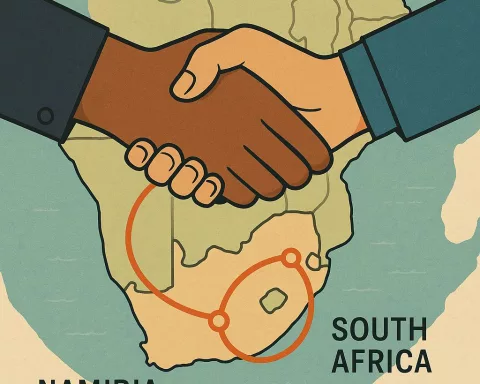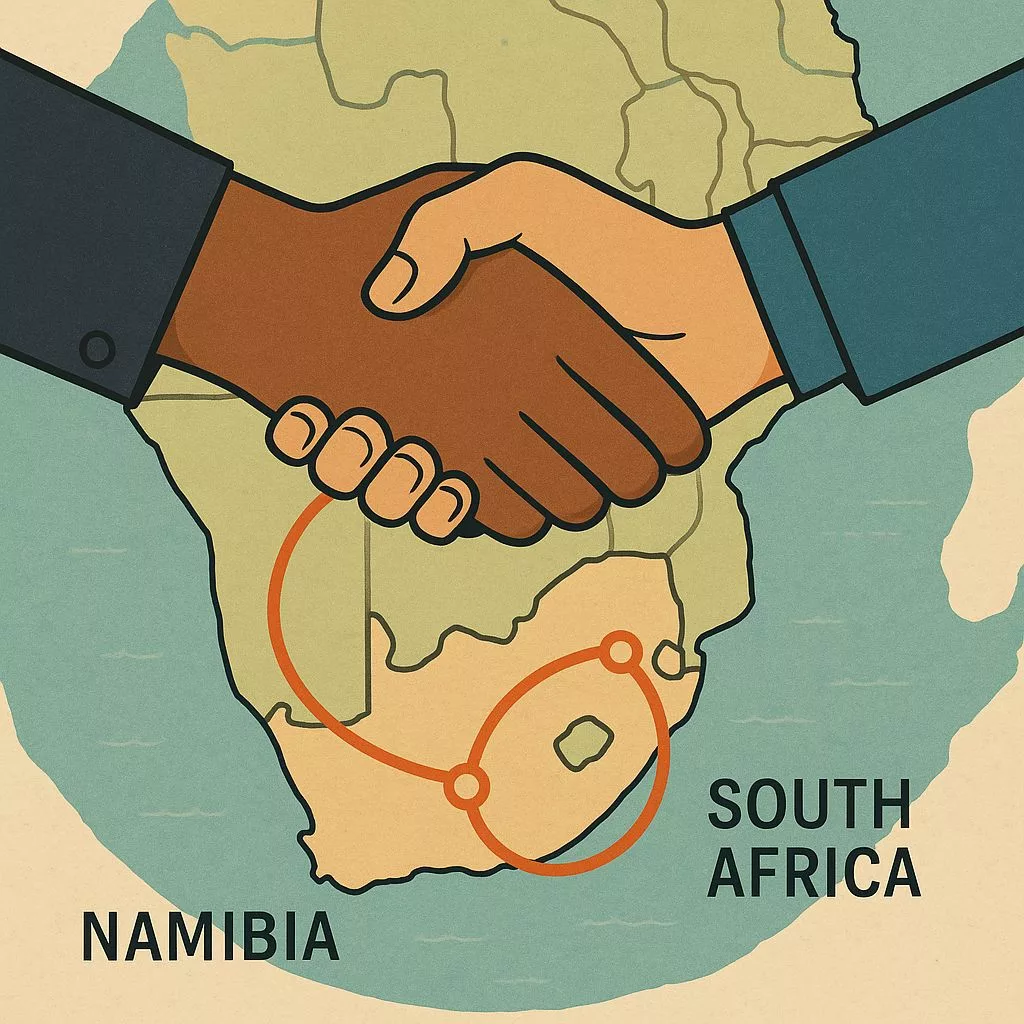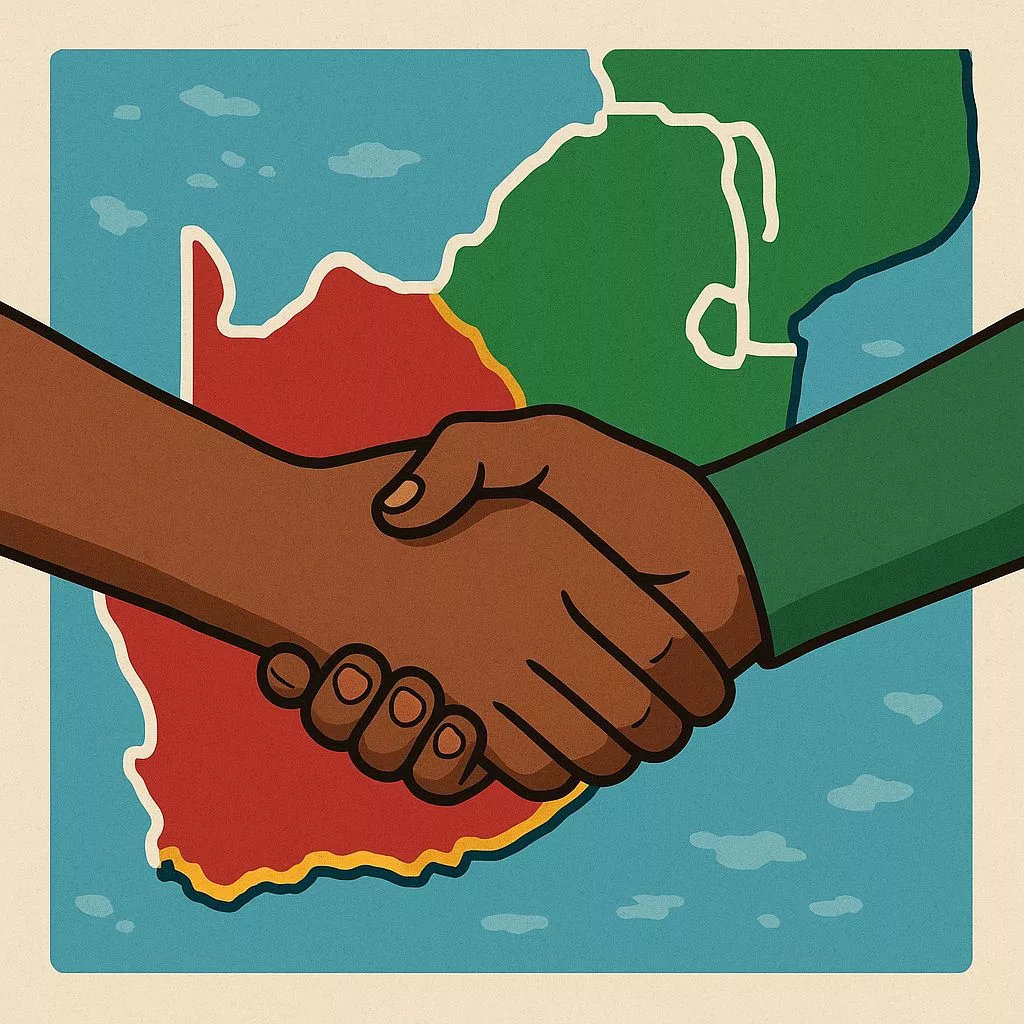
South Africa and Mozambique are like old friends, working together to make things better. They talk a lot about how to help each other, especially with money, jobs, and safety. They remember their shared past of fighting for freedom, which makes their bond super strong. Now, they’re building roads, sharing power, and helping each other stay healthy and safe. This teamwork helps both countries grow and makes the whole neighborhood stronger.
What is the significance of the South Africa-Mozambique Bi-National Commission?
The South Africa-Mozambique Bi-National Commission (BNC) is crucial for structured cooperation between the two nations. It drives strategic collaboration across various sectors, from political dialogue to economic initiatives, ensuring high-level commitment and translating agreements into tangible actions for mutual benefit and regional development.
Building on Shared History and Enduring Values
The alliance between South Africa and Mozambique stands as a testament to a rich legacy of collective resilience and enduring solidarity. Decades ago, during the struggles against colonial regimes and the oppression of apartheid, ordinary citizens from both nations joined forces, unified by a shared resolve for liberation and human dignity. Leaders such as President Samora Machel of Mozambique and South African icons like Oliver Tambo embodied this vision, providing inspirational leadership that would set the tone for a partnership based on more than geographic closeness.
Today, their legacy permeates every conversation and agreement between Pretoria and Maputo. South African Minister Ronald Lamola invoked this powerful shared history during his remarks in Maputo, emphasizing that the relationship between the two nations is anchored in genuine friendship and common aspirations. These memories don’t just inform protocol; they infuse every initiative with meaning, ensuring contemporary engagement echoes decades of camaraderie and mutual support.
This historical backdrop creates a sense of duty and purpose among today’s leaders. Ongoing collaboration seeks not just immediate gains but also upholds the longstanding ideals of freedom, justice, and development for all in the region. The political and societal values forged through shared sacrifice continue to shape the nature and depth of bilateral relations between South Africa and Mozambique.
The Bi-National Commission: Pushing Strategic Bilateral Collaboration
Central to the ongoing partnership is the South Africa-Mozambique Bi-National Commission (BNC), which has become the chief avenue for structured cooperation. The BNC is more than just an annual diplomatic ritual – it represents the highest level of commitment, as shown by the leadership of President Cyril Ramaphosa and President Daniel Chapo. Ministerial and high-ranking official involvement at these forums underscores the significance both governments attach to deepening their strategic relationship.
As each meeting of the commission builds on the progress of the last, these gatherings foster dynamic engagement across multiple disciplines, from political dialogue to economic initiatives. The fourth BNC in Maputo marked an important milestone, driving forward existing agendas and catalyzing new opportunities. Its outcomes reflect a serious intent to address pressing issues while laying groundwork for future success.
Both nations approach the BNC with clear expectations and action plans. The dialogue within these sessions not only identifies challenges but also forges consensus on practical steps forward. This process ensures that agreements translate into concrete actions, setting the pace for long-term benefits.
Diplomacy and Leadership: Shaping a New Bilateral Era
High-level diplomatic exchanges have given fresh momentum to the partnership. President Ramaphosa’s participation in President Chapo’s inauguration launched a new phase in the bilateral relationship, signaling mutual readiness to elevate cooperation. Subsequent state visits and consultations have reinforced both nations’ commitment to translating goodwill into tangible outcomes across the board.
This heightened engagement signals a deliberate shift towards high-impact, results-oriented collaboration. Direct dialogue at the highest political levels removes ambiguities, streamlining coordination among ministries and technical agencies.
As a result, both countries have articulated clear mandates for growth, social development, and transformation. This clarity in direction arms ministers and technocrats with the authority and vision needed to drive forward major projects and policy initiatives.
Catalyzing Economic Integration and Trade Expansion
Economic collaboration sits at the core of the South Africa-Mozambique partnership. Mozambique ranks as South Africa’s top trading partner within Africa, highlighting the depth of their economic interdependence. From agriculture to infrastructure, South African businesses have established strong commercial ties across Mozambican industries, which serve not only to share expertise but also to boost local employment.
Bilateral trade volumes continue to rise, with a particular focus on increasing imports of Mozambican goods into South Africa. The two governments have also prioritized investments and infrastructure projects, aiming to create a seamless environment for business and innovation. South African development finance institutions and private investors have committed significant resources, projecting commitments of up to R150 billion for Mozambican ventures in the coming years.
Projects like the Maputo Development Corridor embody this economic synergy. This key route links South Africa’s industrial zones with the Mozambican port city, accelerating the movement of people and products, and generating new investment in roads, logistics, and supporting sectors. Concrete results from such initiatives affirm the strength and promise of increased regional economic integration.
Leveraging Energy Cooperation for Sustainable Growth
Energy remains one of the most important pillars of cooperation between the two neighbors. Mozambique has played a fundamental role in South Africa’s energy landscape by supplying electricity and natural gas. The construction and recent inauguration of a major gas processing plant by SASOL in Inhambane Province demonstrate the scale and ambition of cross-border partnerships now taking shape.
These ventures not only provide energy but also contribute to industrial growth and technology transfer. Both governments recognize the significance of responsible resource management, particularly as they seek to add value within local mining and energy value chains. Beneficiation and collaborative exploration stand to unlock economic possibilities for both nations.
With increasing global pressure to transition towards greener economies, the two governments have prioritized work in sustainable energy. Geoscientific mapping and joint mineral resource assessments – supported by the South African Council for Geoscience – lay the groundwork for advancing shared objectives in environmentally responsible mining and development.
Advancing Infrastructure, Logistics, and Cross-Border Connectivity
Robust infrastructure is indispensable to the region’s growth ambitions. The Maputo Development Corridor, a flagship initiative, has opened avenues for further enhancement of regional connectivity. Beyond this project, both countries are currently exploring plans to upgrade the N4 highway, expand rail links, and grow port facilities to keep pace with rising demand.
Transnet, South Africa’s logistics giant, has been tasked with spearheading efforts to boost Mozambique’s logistics infrastructure. The expansion of rail and port operations is seen as integral not only for national progress but also for supporting the Southern African Development Community (SADC) in achieving seamless economic integration across states.
The vision is clear: modern, interconnected infrastructure will drive trade, boost mobility, and generate widespread socio-economic benefits throughout southern Africa. Ongoing and future projects reflect the shared will to bring this vision to life.
Coordinating Efforts in Agriculture, Health, and Culture
The South Africa-Mozambique relationship extends far beyond commerce and policy. Both countries have faced common challenges in public health, food security, and rural development. By establishing cooperative frameworks in these vital sectors, they aim to improve the lives of their citizens and share mutually beneficial know-how.
Public health collaboration has become particularly robust, anchored by joint initiatives to tackle malaria in the border regions. Supported by external partners, these programs have leveraged combined expertise, research, and resources to achieve measurable reductions in disease transmission.
In addition, cultural exchanges, language programs, and heritage preservation activities reinforce bonds rooted in shared history. Artistic collaboration, sports, and educational initiatives enable people from both nations to connect at a grassroots level, giving real substance to the partnership beyond official policy.
Safeguarding Regional Security and Political Stability
Security remains another top priority in the evolving relationship between South Africa and Mozambique. Recognizing persistent risks from terrorism and organized crime – particularly in Mozambique’s Cabo Delgado province – South African authorities have joined with Mozambican counterparts to address these threats as part of larger SADC and African Union frameworks.
These efforts go beyond law enforcement, encompassing cross-border intelligence sharing, joint military operations, and diplomatic support. Regional security, they believe, is inseparable from sustainable development and peace.
South Africa and Mozambique also play active roles in continental peace initiatives in countries like the Democratic Republic of Congo (DRC) and Sudan. Their leadership in these areas demonstrates a commitment to a stable, prosperous Africa – and a recognition that regional and continental destinies are closely connected.
Contributing to a Global Development Agenda
Beyond the African continent, the two countries have sought to influence global policy. South Africa’s recent participation in the G20 has elevated African priorities – including issues such as debt relief, investment in climate resilience, and post-disaster recovery – to major world forums. The two countries’ collaborative advocacy seeks to secure more equitable terms for Africa in the global economic order.
Focused cooperation on critical minerals, value addition, and effective climate finance aligns with pan-African aspirations for inclusive growth. By making their voices heard on global platforms, Pretoria and Maputo are helping to reshape the responsibilities and expectations of the international community toward Africa.
Ultimately, these joint efforts aim to ensure that future generations inherit an environment where prosperity and peace are not exceptions but norms shared by all.
Looking Ahead: Unity in Pursuit of Progress
The Fourth Bi-National Commission marks only the beginning of a new chapter in South Africa and Mozambique’s partnership. Together, the two countries are crafting a narrative of hope and opportunity, built on a deep reservoir of shared history and a determination to create a better tomorrow.
As both governments look to the future, they are using every available tool – from high-level forums to grassroots exchanges – to deliver lasting benefits. This comprehensive approach is designed not only to meet today’s challenges but also to form the building blocks of regional advancement and integration for years to come.
In doing so, South Africa and Mozambique present themselves as models of effective cooperation, leading the way in bringing about a more united, dynamic, and secure southern Africa – and contributing meaningfully to the continent’s ongoing development and success.
What is the primary purpose of the South Africa-Mozambique Bi-National Commission (BNC)?
The BNC serves as the central platform for structured strategic cooperation between South Africa and Mozambique. Its main purpose is to foster high-level commitment and engagement across various sectors, ensuring that agreements are translated into tangible actions for mutual benefit, regional development, and the strengthening of their long-standing relationship.
How does shared history influence the current relationship between South Africa and Mozambique?
The shared history of fighting for liberation against colonial regimes and apartheid deeply influences the current relationship by fostering a strong bond of solidarity and friendship. Leaders from both nations, like Samora Machel and Oliver Tambo, laid the groundwork for this partnership, ensuring that contemporary engagement is infused with meaning and purpose, aiming for freedom, justice, and development.
What are the key economic areas of cooperation between the two countries?
Economic collaboration is a cornerstone of the partnership, with Mozambique being South Africa’s top trading partner in Africa. Key areas include agriculture, infrastructure, trade expansion, and significant South African investments (projected up to R150 billion in coming years) in Mozambican ventures. Projects like the Maputo Development Corridor exemplify this synergy, enhancing connectivity and economic activity.
How are South Africa and Mozambique collaborating on energy initiatives?
Energy cooperation is a vital pillar, with Mozambique supplying electricity and natural gas to South Africa. Major projects, such as SASOL’s gas processing plant in Inhambane Province, highlight the scale of cross-border partnerships. Both nations are also focused on responsible resource management, beneficiation, and exploring sustainable energy options through initiatives like geoscientific mapping.
What role does infrastructure play in deepening their ties?
Robust infrastructure is crucial for regional growth. Beyond the Maputo Development Corridor, plans include upgrading the N4 highway, expanding rail links, and improving port facilities. South African logistics giant Transnet is actively involved in boosting Mozambique’s logistics infrastructure, aiming to drive trade, improve mobility, and generate socio-economic benefits throughout Southern Africa (SADC).
How do South Africa and Mozambique address regional security and stability?
Security is a top priority, with both countries coordinating efforts to combat terrorism and organized crime, particularly in Mozambique’s Cabo Delgado province, within SADC and African Union frameworks. This includes intelligence sharing, joint military operations, and diplomatic support. They also play active roles in continental peace initiatives in countries like the Democratic Republic of Congo and Sudan, demonstrating a commitment to a stable and prosperous Africa.