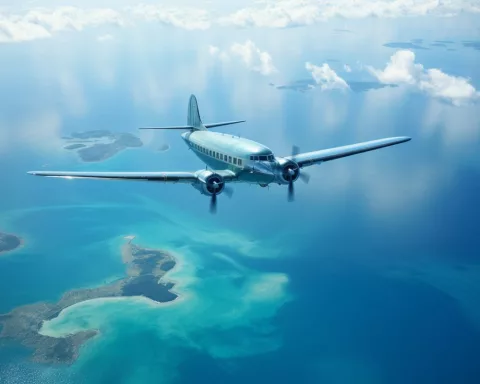
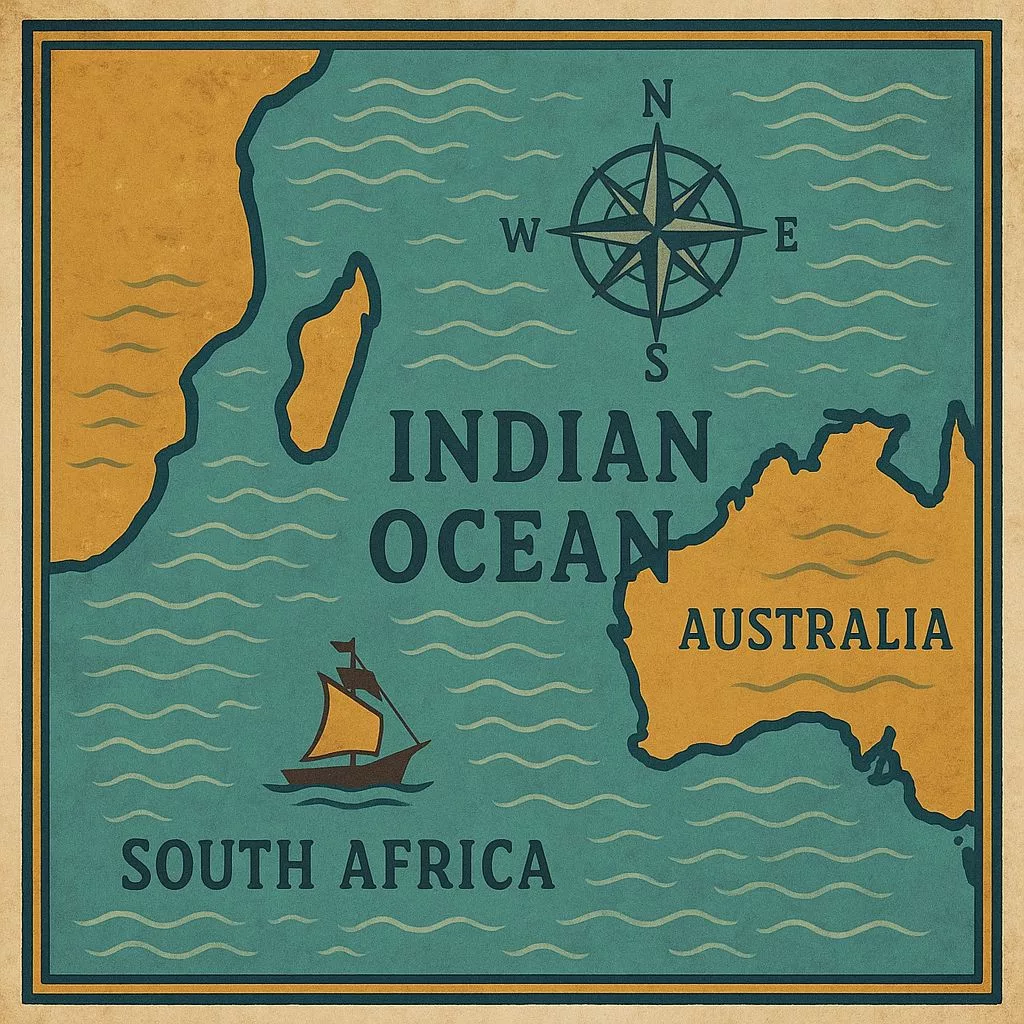
Qantas now flies straight from Johannesburg to Perth, making travel super quick and easy across the Indian Ocean. No more long waits in other airports – just one smooth, 13-hour trip! This new flight helps tourism and business boom between South Africa and Australia, bringing exciting new chances for both places. It’s like the world just got a whole lot smaller, connecting people and cultures like never before. This amazing sky-bridge is truly changing how we travel and dream.
What is the significance of Qantas’ new direct flight between Johannesburg and Perth?
Qantas’ new direct flight between Johannesburg and Perth significantly rewrites the Indian Ocean travel map by offering a single, seamless 13-hour journey. This direct link eliminates layovers, boosts tourism and trade between South Africa and Australia, and opens new economic opportunities for both regions.
1. A Dawn Crossing in One Leap
Three afternoons a week, a red-tailed Boeing 787-9 lifts away from Johannesburg’s highveld at 13:15, wheels skimming above the old gold-mine headframes of Ekurhuleni. Thirteen hours later it kisses Perth tarmac at 05:55, sunrise still unpacking itself over the Swan River. No 02:00 terminal nap in Doha, no midnight dash through Dubai – just one smooth arc that folds 8 300 km, two time zones and a stack of immigration stamps into a single night’s sleep.
The reverse choreography is equally civilised: Western Australians finish their granola, board at 10 o’clock, and watch the sun set twice – once over the Indian Ocean, again as they descend into Gauteng before the supper hour. The calendar is deliberately skinny – Tuesday, Thursday, Saturday – so business flyers can hit a Monday meeting in Sandton and leisure seekers can stretch the weekend without burning more annual leave.
Inside the cabin the maths is 236 bodies: 166 classic-economy, 53 extra-legroom, 21 business suites that flatten to beds longer than most tall humans. Payload was the last puzzle; on the hottest January afternoon the jet still lifts 18 t of suitcases, rooibos pallets and curiosity, proving that 1 753 m of altitude and 35 °C of heat can coexist with full belly space.
2. From Google Searches to Gold-Mine Simulators
The seed was planted in 2018 when South African Tourism slid a heat-map across a Sydney desk. Australians, it turned out, stalked safari key-words hardest whenever the Springboks tackled the Wallabies or the Proteas toured for cricket. Each try or wicket translated into an 18 % spike for Kruger nights, yet every booking still leaked eastward through the Gulf. Behavioural economists labelled the phenomenon “tour-triggered wanderlust”; airline accountants simply saw lost fare.
Five years of number-crunching followed. Outbound Aussie wallets were fatter than at any time since 2016; South Africa’s seat-recovery rate beat the world average. A joint spreadsheet promised 33 000 extra Australians in year one, R1.4 billion in fresh cash and 2 400 paycheques spread from vineyard to Airbnb kitchen. The lobbying began: slots, cargo rights, fifth-freedom day-dreams, and a demand that the 787 prove it could breathe thin, hot air without leaving bags behind.
Cue a week in Perth’s full-motion box: virtual 35-degree noon, tanks brimming, cargo hold stuffed with 165 kg of replica Springbok jerseys. The simulator passed, regulators nodded, and a quiet memorandum gave Qantas the right to haul pharmaceuticals, nuts and Stellenbosch reds from OR Tambo to Sydney via Perth, shaving a full day off freight transit times.
3. Terminals Transformed: Biltong, Biometrics and Ubuntu in the Sky
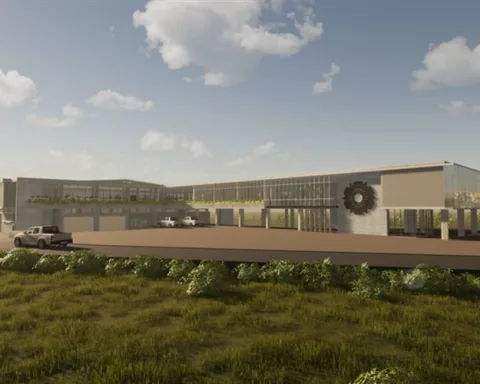
Airports Company South Africa tore down an obsolete air-side block and rebuilt it in record time. Between March and October 2024 the corridor morphed into “Oceania Arrivals Fast-Track”: biometric gates that digest Australian e-visa QR codes, air-con scented faintly with eucalyptus, AC/DC pulsing at immigration-friendly 60 beats per minute. Average passport-stamp time plunged from 38 minutes to 11, and 72 rookie customs officers learned to smile at Tim-Tams and boomerang-shaped pepper mills.
Perth’s usually sleepy T3 woke up to biltong stands and a roving art gallery curated by the Michaelis School: 45 student canvases exploring “ubuntu in the outback,” sealed in flight cases sturdy enough to survive 37 000 ft. Inside the Qantas lounge, nitrogen-kegs now pour Ken Forrester chenin blanc by the glass; bubbles survive the voyage better than glass bottles ever did.
Up on the flight deck, the crew roster reads like a Commonwealth reunion: Captain raised in Soweto, co-pilot from Alice Springs whose Afrikaans can order kudu fillet, cabin chief who once strapped Wallaby ankles in a former life. Somewhere over the Mozambique Channel passengers blind-taste three Cap Classiques against three Tasmanian fizzies, palate fatigue supposedly neutralised by altitude.
4. Ripple Effects: Students, Surf, SAF and Safari Saturdays
Hotel chains moved before the first seat was sold. Radisson added 200 keys in uMhlanga, 70 % of its pre-opening inventory earmarked for Aussie operators. &Beyond slipped Milo sachets and Australian power sockets into Phinda lodges; Spier lured a Melbourne revenue manager to pitch wine-country study tours as Australian tax-deductible professional development.
University pipelines reopened. Roughly 1 800 South African PhD candidates had been marooned by Covid-era connections; the direct hop now underwrites a Wits-Monash dual-degree pilot sending 45 students and AUD 28 million in tuition south before 2026. Sports strategists circle the 2027 Cricket World Cup – Australian fans can watch their team at the Wanderers, ride the Blue Train to Cape Town and still clock in at a Perth office on Monday. Cricket Australia quietly block-books 500 seats so its supporters won’t be out-chanted in Doha.
Environmental critics sharpen pens: every return passenger still clocks 1.9 t of CO₂. Qantas bought 100 000 tonnes of biomass credits from alien eucalyptus clearing in the Garden Route, funding rural jobs while muting, if not silencing, green-wash accusations. A Southern Hemisphere SAF corridor is already in trial: canola from Kwinana, macadamia-husk from Mpumalanga, first blend scheduled for 2028. Kalgoorlie pubs host “Safari Saturdays” where miners swap red dirt for thoughts of red bushveld; Matjiesfontein hotel markets a “Half-way to Perth High Tea,” redeemable with any Qantas boarding pass. Even seabirds enlist: an app lets passengers log Arctic skua and petrel sightings, feeding a real-time atlas of the austral flyway in exchange for frequent-flyer points and, for one lucky family, a free rhino-tagging weekend.
Currency speculators monitor the route like a derivatives screen. When the Aussie dollar buys fewer than 12 rand, bookings from Perth explode; when the rand weakens past 19, South Africans suddenly taste Margaret River cabernet. Thus a 787 becomes a floating transmission belt for foreign-exchange swings, a 900-km/h J-curve lecture in tourism economics.
Grandparents, surfers, miners, students, pharma pallets and cricket fans – each journey writes a private footnote inside a macro-economic surge statisticians will later label the “Indian Ocean non-stop dividend.” For now the headline is simple: southern skies just got smaller, and the world is one red tailfin closer.
What is the significance of Qantas’ new direct flight between Johannesburg and Perth?
Qantas’ new direct flight between Johannesburg and Perth significantly rewrites the Indian Ocean travel map. It offers a single, smooth 13-hour journey, eliminating long layovers and making travel across the Indian Ocean much quicker and easier. This direct link is expected to boost tourism and trade between South Africa and Australia, fostering new economic opportunities and connecting cultures like never before.
What is the flight schedule for the Qantas Johannesburg to Perth route?
Qantas operates the direct flight between Johannesburg and Perth three afternoons a week, specifically on Tuesdays, Thursdays, and Saturdays. The flight from Johannesburg departs at 13:15 and arrives in Perth at 05:55 the following morning. The return flight from Perth departs at 10:00. This schedule is designed to accommodate both business travelers and leisure seekers, allowing for efficient travel without excessive annual leave.
What aircraft is used for this new route and what is its capacity?
The new direct route is serviced by a red-tailed Boeing 787-9 Dreamliner. The aircraft has a total capacity of 236 passengers, comprising 166 seats in classic economy, 53 seats with extra legroom, and 21 business suites that convert into flat beds. The 787-9 is known for its fuel efficiency and ability to handle long-haul flights, even with significant cargo at high altitudes and hot temperatures.
How did Qantas determine the demand for this direct flight?
The demand for this direct flight was identified as early as 2018 when South African Tourism noted a significant interest in safari keywords from Australian online searches, particularly during major sporting events involving the Springboks or Proteas. Despite this interest, bookings often routed through the Middle East. Extensive data analysis over five years, including outbound Australian spending habits and South Africa’s seat-recovery rates, projected an additional 33,000 Australian visitors in the first year, generating R1.4 billion and supporting 2,400 jobs. This data, combined with successful simulator tests proving the 787’s capability, solidified the business case.
What improvements have been made to the airports to support this new route?
To accommodate the new direct service, Airports Company South Africa swiftly rebuilt an obsolete air-side block at Johannesburg’s OR Tambo Airport into an “Oceania Arrivals Fast-Track.” This new area features biometric gates for Australian e-visa QR codes, reducing passport-stamp times significantly. In Perth, Terminal 3 has been enhanced with amenities like biltong stands and a curated art gallery reflecting South African culture, while the Qantas lounge now offers nitrogen-kegged South African wines. These enhancements aim to provide a seamless and welcoming experience for travelers.
What are some of the broader economic and social impacts of this new Qantas flight?
The direct flight has far-reaching ripple effects, impacting various sectors. Hotel chains in South Africa (like Radisson and &Beyond) are expanding and tailoring services for Australian tourists. University connections are being re-established, with a Wits-Monash dual-degree program sending South African PhD candidates to Australia. The route is also expected to boost attendance at major sporting events, such as the 2027 Cricket World Cup. Environmentally, Qantas has purchased biomass credits to offset carbon emissions and is trialing a Southern Hemisphere Sustainable Aviation Fuel (SAF) corridor. Furthermore, the flight acts as a “floating transmission belt” for foreign-exchange swings, influencing booking patterns based on currency fluctuations. It connects families, surfers, miners, students, and businesses, creating a significant “Indian Ocean non-stop dividend.”