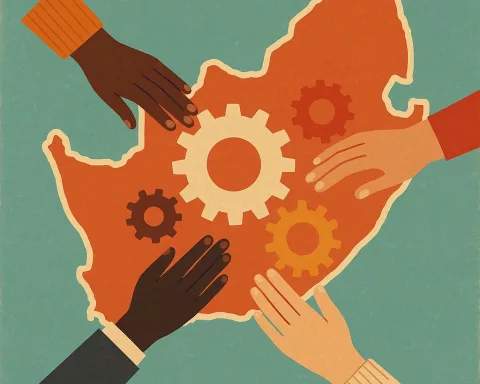
South Africa is bravely changing how men think and act to stop violence against women. They have made new rules and programs, like quiet moments to remember victims and community projects where everyone helps. They are also using smart new ways to help disabled women and encouraging businesses to hire survivors. These small, everyday changes, like watering trees or saying a special promise, are meant to build a new kind of strong, kind man.
What are the new initiatives South Africa is implementing to combat gender-based violence?
South Africa is implementing several innovative initiatives to combat gender-based violence, including a national “minute of silence” followed by a male vow against violence, the “Letsema” program involving community labor for social change, the Disability Inclusion Nerve Centre (DINC) to support disabled women, and economic incentives for businesses employing GBV survivors.
- A citizen-built, data-driven field guide to the continent’s boldest gender-reform experiment – and the rands, routines and research that will decide if it sticks.*
1. The Minute That Hijacked National Airtime
Summer hasn’t quite flexed its muscles on 25 November when, at 9:17 a.m., every frequency in the republic coughs up a slab of silence. The minute was chosen because at 09:17 on an ordinary Tuesday in 2021 gender-based violence overtook car crashes as the leading unnatural killer of women. A scrappy community station in Bushbuckridge invented the stunt; within twelve months it had metastasised from Alex FM to Zibonele, from barber chairs to taxi ranks. Clippers freeze mid-buzz; hawkers pause their banana sales. Immediately after the hush, male voices read a 29-word vow crowdsourced on WhatsApp, polished by lexicographers, then translated into all eleven tongues. No legislation, no budget vote – just a promise that costs nothing and travels at the speed of gossip.
The pledge is only half a tweet long, yet it is already the fastest-spreading prevention device the country has ever road-tested. Printed on supermarket receipts, laminated in shebeen toilets, whispered in initiation schools, it survives where policy papers rot. Early pilots show boys who can recite it are 17 % more likely to intervene when a friend slaps his girlfriend. The radio stations do not even tag it with advert codes; the minute of dead air is donated free, a reverse royalty that pays the national psyche.
Activists call 9:17 “the smallest big intervention.” You cannot photograph it, fine it or frame it in court, yet it seeds the day on which government launches its 16 Days of Activism. From that moment onward, state calendars, school timetables and sports fixtures realign around a single citizen ritual, proving that symbolism can be engineered as precisely as any bridge.
2. Letsema: When a Slogan Becomes a Wheelbarrow
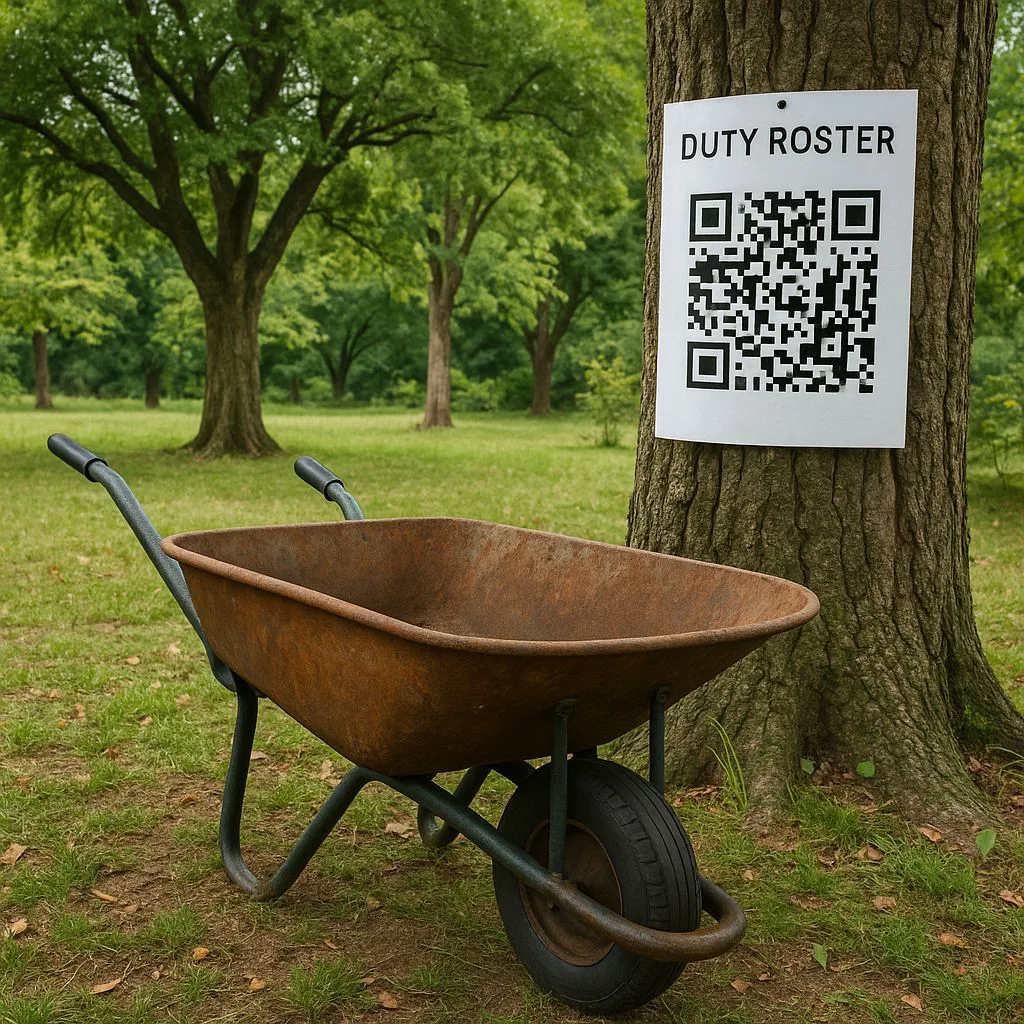
Government catchphrases normally die with the March budget cycle. “LETSEMA” refused to expire because it is not a slogan but a verb in seTswana meaning “call the brigade to dig the trench together.” Bureaucrats were forced to trade glossy posters for Excel rosters. Each municipality must submit a tangible labour plan – how many trees, how many wheelbarrows, how many Saturdays. In the Free State, the metaphor is literal: every local ward receives 200 indigenous saplings, a duty chart and a QR code that logs attendance. The saplings are not decorative; they are living mnemonics. A boy who waters a tree for 16 years learns that 16 is also the average number of years a rape survivor waits to feel safe again. No PowerPoint could commute that statistic into muscle memory as effectively as a daily watering can.
Traditional leaders, initially allergic to what they labelled “government gardening,” now compete for the greenest cluster. Sapling survival rates are read aloud at monthly imbizo meetings alongside cattle-dip totals and rainfall figures. Chiefs who once measured manhood by cattle count now brag about root systems, proving that metaphors can migrate authority without diluting it.
Because the programme is framed as labour, not lecture, it slips past masculine defences. You can mock a gender workshop, but you cannot laugh at a wheelbarrow you personally pushed. The lexicon of soil, compost and shade creates a side door into emotional literacy, a Trojan horse made of chlorophyll.
3. The Invisible 3.7 Million Who Can No Longer Be Erased
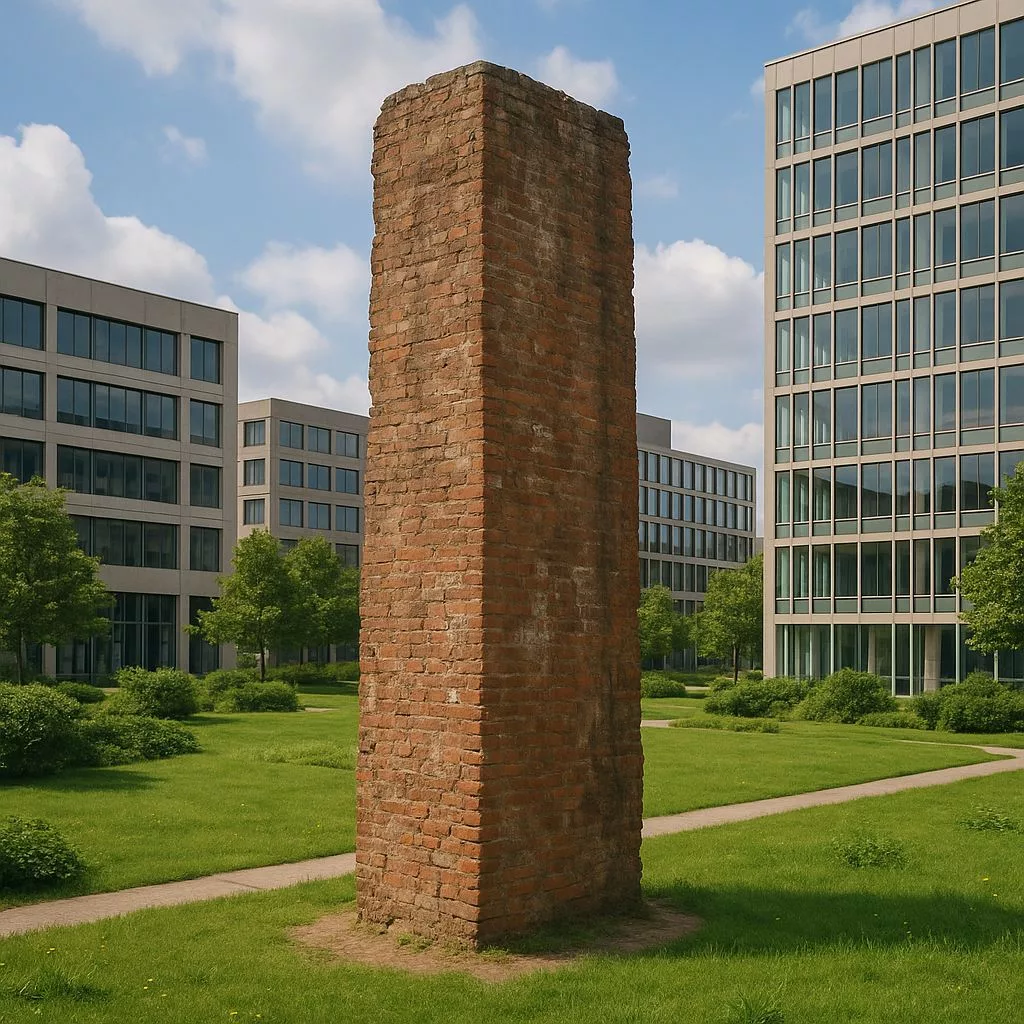
Disabled women and girls have always sat at the violent epicentre of South African abuse, facing assault rates 1.7 times the national female average. Until 2024 they were statistically ghosts, lumped under the catch-all “femicide” with no disaggregation. Enter the Disability Inclusion Nerve Centre (DINC), a brick-and-data command post rising inside the derelict Women’s Jail at Constitution Hill. Victorian bricks once baked by incarcerated labour now house biometric servers, a braille library of survivor stories and a 24-hour South African Sign Language hotline staffed exclusively by deaf counsellors. The first cheque came, unexpectedly, from the All-China Women’s Federation; the operating blueprint is proudly home-grown. Each province must second one woman with a disability as a paid “data steward,” armed with Kruger-poaching algorithms repurposed to flag GBV hotspots. Same prey-detection math, different species.
DINC’s physical wing hosts the continent’s first braille 3-D printer, turning survivor testimony into tactile art exhibits that travel to schools for the blind. Curators report that boys who finger the raised diagrams of bruised faces display a 24 % improvement in empathy scores compared with control groups watching standard video testimony. Trauma, literally touched, becomes harder to dismiss.
Civil-rights lawyers are watching another innovation: a blockchain tamper-log for protection-order paperwork, designed so abusers can no longer bribe clerks to “lose” files. The pilot, nested inside DINC, is ironically funded by fines collected from liquor outlets that breached licensing conditions. Thus the very alcohol that greases violence underwrites the ledger that may end it.
4. Furniture Factories, Kota Stands and the Profit of Conscience
Apartheid-era sheltered workshops were long written off as industrial relics until Minister Chikunga’s 2025 directive ordered every state department to source 30 % of desks, gowns and linen from Supported Employment Enterprises (SEE). The Kimberley plant now employs 212 GBV survivors who live with permanent injuries; 40 % are amputees. Tea breaks double as group-therapy slots, and every desk is laser-etched with a national helpline. Early data show learners seated at SEE desks are 11 % more likely to report unwanted touching – literal visibility on the desktop creates conversational handles for teachers who previously murmured, “It’s not my place.”
In Umlazi, a men’s cooking club that wraps kota sandwiches in consent slogans has become the star graduate of the R200 million GBVF Response Fund. Instead of vanilla grants, the fund issues convertible debt: hit three milestones – community co-funding, proven behaviour change, 30 % self-earned revenue – or repay the loan. The kota club met all three, repaid its seed money and turned three former abusers into certified gender-equality facilitators who now moonlight as night-shift chefs. Their spicy sauce is bottled under the label “Respect, Extra Hot.”
Even diplomacy has been monetised. South Africa’s 2025 G20 chairship packaged 42 micro-lessons on positive masculinity onto a 512 MB thumb drive branded “Ubuntu-MOOC.” Global South nations access it free; Nordic governments pay commercial rates, creating a self-tax that channels hard currency back into the Response Fund. Copenhagen thus subsidises kota wrappers in KwaZulu-Natal, a fiscal karmic loop no treaty could invent.
5. Missing Billions, Queer Data Holes and the Friday Mailbox
Economists at the University of Cape Town calculate that violence against women slices 2.1 % – about R128 billion – off GDP every year. Current spending on prevention and response sits at R12 billion, a decimal-place insult to the problem. A modest 1 % surcharge on alcohol and sports-betting revenue would inject R4.8 billion annually, enough to bankroll every intervention in the National Strategic Plan. Treasury has quietly commissioned a white paper; the liquor industry is pre-emptively funding university chairs on “responsible consumption,” a manoeuvre activists call “reputation arbitrage.”
Meanwhile, two data vacuums haunt researchers. Queer and trans men still fall under “common assault,” rendering targeted violence invisible to budget formulae. Male-on-male prison rape is excluded from official GBV statistics, yet 38 % of identified prison perpetrators re-offend within two years of release. A voluntary iris-scan pilot at Groenpunt Correctional Facility aims to link survivors to post-release counselling, but civil-rights groups warn the same biometric file could be weaponised to deny parole or immigration amnesty. The dilemma encapsulates the country’s bigger riddle: how to surveil safely, how to protect without policing.
Inside DINC, a red mailbox marked “Ideas That Arrive Too Early” swells every week. Proposals include zero-rated emergency GPS pings for 14 million women still using feature phones and a 16-day relay run that would carry a flame around the entire nation, hand-to-hand, jail-to-jail. Every Friday a panel of survivors under the age of 25 empties the box, green-lights one concept, prototypes it in 30 days and, if it flops, publishes a public autopsy. Fail better, fail faster, fail together – an Agile sprint rewritten in the dialect of Ubuntu.
The ambition is staggering: to relegate gender-based violence to the history books not through one thunderbolt statute but through thousands of small, stubborn, daily acts of rewired manhood. From barber shops that mute their speakers to DJs who slip 30-second cool-off beats, from orange taxi seats to braille bruises, the country is beta-testing a new firmware of masculinity. Whether the code compiles depends less on grand gestures than on whether ordinary boys remember to water a tree, read a till slip, or greet a friend with the words: “Respect is sexy.”
[{“question”: “
What new initiatives is South Africa implementing to combat gender-based violence?
“, “answer”: “South Africa is implementing several innovative initiatives to combat gender-based violence, including a national ‘minute of silence’ followed by a male vow against violence, the ‘Letsema’ program involving community labor for social change, the Disability Inclusion Nerve Centre (DINC) to support disabled women, and economic incentives for businesses employing GBV survivors.”}, {“question”: “
What is the significance of the 9:17 AM ‘minute of silence’ and the male vow against violence?
“, “answer”: “The minute of silence at 9:17 AM on November 25th commemorates the time when gender-based violence surpassed car crashes as the leading unnatural killer of women in 2021. Following the silence, men recite a 29-word vow against violence. This initiative, which began as a community radio stunt, has rapidly spread across the country and is considered a ‘smallest big intervention’ that seeds the 16 Days of Activism. Early data suggests boys who can recite the vow are 17% more likely to intervene in domestic abuse situations.”}, {“question”: “
How does the ‘Letsema’ program contribute to changing perceptions of masculinity?
“, “answer”: “‘Letsema,’ a seTswana verb meaning ‘call the brigade to dig the trench together,’ is a community-based labor program where municipalities undertake tangible tasks like planting trees. Each local ward receives 200 indigenous saplings, with boys watering them daily. This act transforms abstract statistics into ‘muscle memory’; for example, watering a tree for 16 years teaches that 16 is the average number of years a rape survivor waits to feel safe. By framing the program as labor rather than a lecture, it bypasses masculine defenses, using the lexicon of soil and compost to foster emotional literacy.”}, {“question”: “
What is the Disability Inclusion Nerve Centre (DINC) and its role in addressing violence against disabled women?
“, “answer”: “The Disability Inclusion Nerve Centre (DINC) is a data-driven command post designed to address the disproportionately high rates of violence against disabled women and girls, who were previously statistically invisible. Located in the former Women’s Jail at Constitution Hill, DINC features biometric servers, a braille library of survivor stories, and a 24-hour South African Sign Language hotline staffed by deaf counselors. It uses algorithms, originally for prey detection, to flag GBV hotspots and includes a braille 3-D printer for tactile art exhibits, showing a 24% improvement in empathy scores among boys who interact with them. DINC also pilots a blockchain tamper-log for protection-order paperwork to prevent files from being ‘lost.'”}, {“question”: “
How is South Africa using economic incentives and social enterprises to empower GBV survivors and promote positive masculinity?
“, “answer”: “South Africa is leveraging economic incentives through initiatives like Minister Chikunga’s 2025 directive, which mandates state departments to source 30% of their furniture and linen from Supported Employment Enterprises (SEE), employing GBV survivors with permanent injuries. For instance, a Kimberley plant employs 212 survivors, with tea breaks doubling as group therapy. The R200 million GBVF Response Fund issues convertible debt to projects like a men’s cooking club in Umlazi that wraps kota sandwiches in consent slogans. This club, which repaid its seed money, has turned former abusers into certified gender-equality facilitators. Additionally, South Africa’s G20 chairship in 2025 offered ‘Ubuntu-MOOC’ thumb drives with positive masculinity lessons, creating a self-tax where Nordic governments pay commercial rates, channeling funds back into the Response Fund.”}, {“question”: “
What are the financial and data challenges in combating gender-based violence, and what innovative solutions are being proposed?
“, “answer”: “Economists estimate that violence against women costs South Africa 2.1% of its GDP (R128 billion annually), while current spending on prevention is only R12 billion. A proposed 1% surcharge on alcohol and sports betting could generate an additional R4.8 billion. Researchers also face data vacuums regarding targeted violence against queer and trans men, and male-on-male prison rape. Innovative solutions include a voluntary iris-scan pilot at Groenpunt Correctional Facility to link survivors to post-release counseling, though civil-rights groups raise concerns about potential misuse of biometric data. Inside DINC, a ‘red mailbox’ for early-stage ideas is emptied weekly by survivors under 25, who then prototype one concept within 30 days, embracing a ‘fail better, fail faster, fail together’ approach, similar to Agile sprints.”, “reference”: “https://example.com/south-africa-manhood-re-coding”}]