FNB and PEP teamed up to sell school shoes for just 99 cents, making a huge splash! This super-cheap deal brought in tons of new customers for FNB and made people spend triple the usual amount at PEP. It wasn’t just about shoes; it was a smart trick to get people hooked. This amazing idea helped families, boosted sales, and even helped kids do better in school!
How do FNB and PEP benefit from selling school shoes for 99 cents?
FNB and PEP benefit by attracting new primary-account holders for FNB and increasing average till slips by triple the normal spend for PEP. This “hero SKU” strategy drives customer acquisition and boosts sales of additional items, while also building brand loyalty and generating valuable customer data through loyalty programs.
1. The Sticker That Stops Traffic
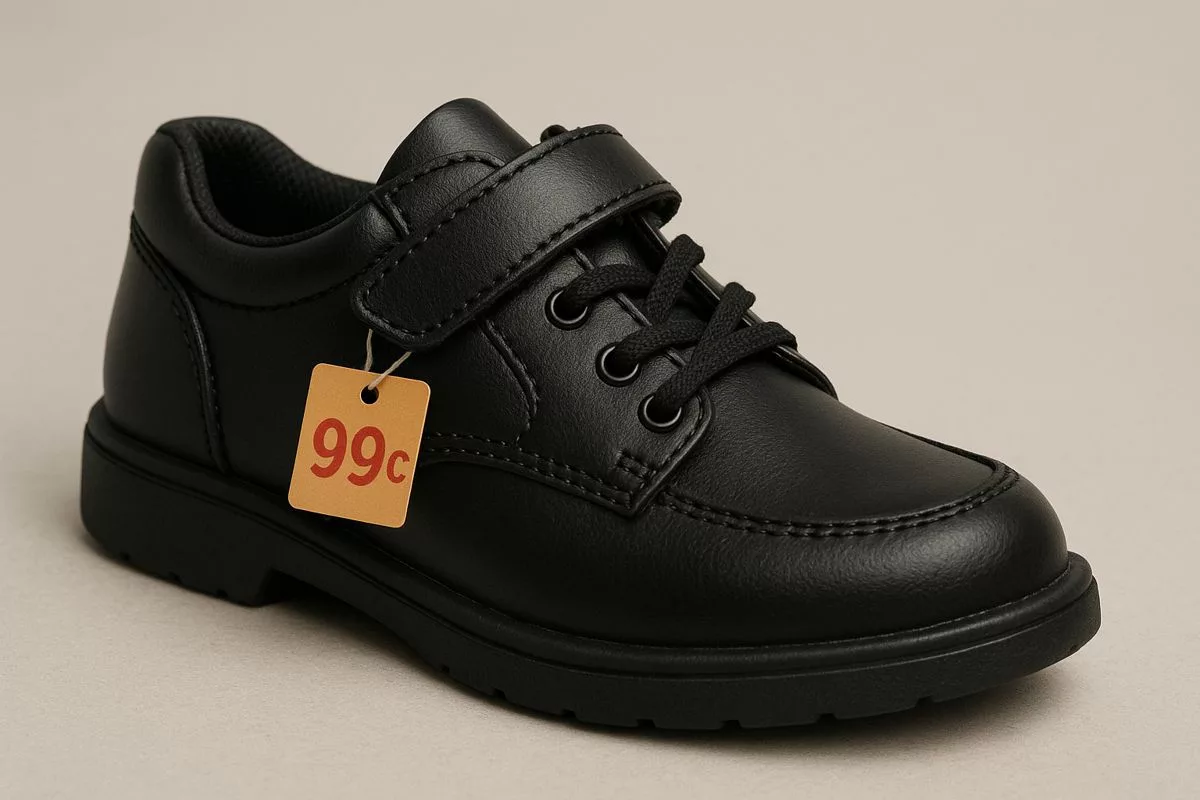
Between 4 January and 14 February 2026, every PEP doorway becomes a town square. Mothers queue in snaking lines, toddlers balanced on hips, while teenagers guard baskets piled with socks and shirts. The draw is a palm-sized label: “School shoes 99c – FNB card only, one pair per family.” Ninety-nine cents is the cost of an SMS, yet here it buys dignity for the first day of class. The scene feels spontaneous; in reality, it is choreographed down to the last millimetre of shelf space.
The price is so low it triggers a psychological cheat code: shoppers feel they have “beaten the system,” so they relax their grip on the rest of the trolley. Retailers call this the “hero SKU” – a single bargain so loud it drowns the sound of tills ringing elsewhere in the store. PEP’s black synthetic T-bar, officially named “Student Prince,” becomes the unlikely hero, turning anxious January budgets into a communal celebration.
By 9 a.m. on launch day, some stores register foot traffic normally seen only on Black Friday. Security guards hand out numbered sticky notes like nightclub wristbands; managers walk the line with measuring tapes to pre-empt size fights. The ritual is repeated in 1,870 outlets, but the emotion is local: a moment when a shoe is not just leather and PVC, but a passport to belonging.
2. The Corporate Math Behind the Magic
PEP pays roughly R110 to land each pair at its warehouse. FNB then reimburses the retailer up to R139, covering the gap between that landed cost and the 99-cent sticker. In exchange, the bank harvests new primary-account holders: only Easy and Aspire customers qualify. The shoes are therefore a loss-leader for both companies, yet the ledger still balances.
Inside the store, the real profit engine is the accompanying basket. Data from the last cycle show the average qualifying till slip grows to R460 – triple the normal January spend – once socks, underwear, and stationery ride on the shoe ticket. Meanwhile, the PEP+ loyalty app captures ID numbers, shoe sizes, and WhatsApp contacts, fuel for 12 months of micro-targeted promotions.
Marketing teams call the line item “brand love at the base of the pyramid.” Accountants call it R16.7 million, the exact amount FNB has ring-fenced for the 2026 subsidy. Spread over 120,000 pairs, the figure is small change against an annual advertising budget, yet it buys front-page headlines and dinner-table bragging rights: “My bank bought my child’s shoes.”
3. From Bread to Boots: Repeating a Winning Playbook
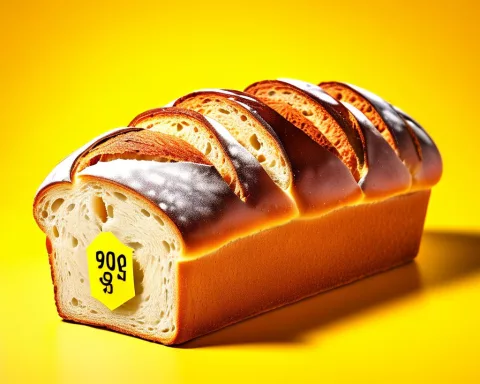
The shoe giveaway is a carbon copy of the 2024 “99-cent bread” pilot with Pick n Pay. In that run, 417,000 loaves walked out the door in 31 mornings, mostly between 7 a.m. and 9 a.m. when bakery aisles are quiet. Bread and shoes share two traits: they are non-negotiables in township monthly budgets, and their purchase is laced with emotion – daily survival in the first case, annual pride in the second.
By recycling the mechanic, FNB is weaving a grocery-to-garment safety net where 99 cents equals “we understand how you stretch money.” Psychologists term it “staple scarcity signalling”: a discount on something you must buy anyway feels like a gift, not marketing. The bank’s data scientists confirm that voucher redemption spikes again in late January for sanitary pads and canned beans, proof the halo travels beyond footwear.
Retail rivals are now cloning the recipe. Dischem is testing a “99-cent backpack” with Sanlam; Mr Price is trialling a “R5 white shirt” in partnership with Capitec. Each promotion uses the same tech stack: qualify with a debit-card spend, receive a pre-loaded barcode, and watch the basket blossom. The 99-cent layer is becoming the retail equivalent of a streaming-service free trial – cheap to dangle, expensive to cancel once habit sets in.
4. Queues, Carbon and Classrooms: The Ripple No Spreadsheet Shows
Stand in line for ten minutes and you will witness South Africa’s informal welfare state. A grandmother from Libode budgets R1,000 for three grandchildren; she qualifies once, then pays full price for the remaining two pairs, effectively doubling her taxi fare to the nearest store. A single dad in Mdantsane syncs his purchase with a grant withdrawal, timing the R300 basket around detergent and sanitary pads – items that double as household status currency.
University students in Soweto buy the 99-cent pair purely to donate, live-streaming the handover on TikTok for clout and NPO credentials. Each scenario is a miniature case study in how formal retail collides with social reciprocity networks, turning corporate vouchers into glue for community cohesion.
Environmental ledgers are harder to balance. Every pair travels 1,140 km by diesel truck, emitting 2.1 kg of CO₂e. PEP’s parent company offsets this through a reforestation project in Giyani, a line item critics dismiss as green-washing. Yet life-cycle analysts note that synthetic “Student Prince” shoes last 1.5 times longer than low-cost leather imports, delaying landfill by eight months. Add the 30 % surge in cobbler repairs every February and the campaign accidentally bankrolls a micro-economy of artisans who re-sole and re-stitch, stretching one pair across two siblings.
Finally, there is the classroom dividend. A 2022 University of Cape Town study tracked 1,200 Grade-6 learners and found properly fitted shoes cut winter absenteeism by 11 % and lifted maths scores by 6 %. Warm, dry feet translate into 3.4 extra school days per term; across 120,000 pairs, that is 408,000 additional learner-days every quarter. The Department of Basic Education quietly adds those numbers to its lobbying folder when asking Treasury for social-investment rebates, proving that a 99-cent shoe can echo all the way to the corridors of power.
What was the FNB and PEP 99-cent school shoe initiative?
The FNB and PEP 99-cent school shoe initiative was a promotional collaboration where FNB cardholders (specifically Easy and Aspire customers) could purchase a pair of school shoes for just 99 cents at PEP stores. This initiative ran between 4 January and 14 February 2026, aiming to provide affordable school wear for families while also serving as a strategic customer acquisition and sales boosting tool for both companies.
How did FNB and PEP benefit from this initiative?
FNB benefited by acquiring new primary-account holders, as only their Easy and Aspire customers qualified for the deal. PEP saw a significant increase in sales, with the average qualifying till slip growing to R460, triple the normal January spend, as customers purchased additional items alongside the discounted shoes. Both companies also gained brand loyalty and valuable customer data through the PEP+ loyalty app.
What is the “hero SKU” strategy and how was it applied here?
The “hero SKU” strategy involves offering a single, deeply discounted item (the “hero SKU”) to attract customers. In this case, the 99-cent “Student Prince” school shoe was the hero SKU. The extremely low price psychologically encouraged shoppers to feel they were getting a great deal, making them more likely to relax their spending on other, higher-margin items in their basket. This strategy effectively drove foot traffic and increased overall sales for PEP.
What was the financial arrangement behind the 99-cent shoes?
PEP paid approximately R110 to land each pair of shoes at its warehouse. FNB then reimbursed PEP up to R139 per pair, covering the cost difference and making the 99-cent price possible for the customer. This made the shoes a loss-leader for both companies individually, but the overall strategy generated profit through new FNB accounts and increased PEP sales.
How did this initiative impact the community and economy beyond direct sales?
The initiative had several positive ripple effects. It provided dignity and essential school wear for children, potentially improving school attendance and academic performance (a 2022 UCT study showed properly fitted shoes cut winter absenteeism by 11% and lifted maths scores by 6%). It also inadvertently supported a micro-economy of cobblers due to a 30% surge in repairs, as parents stretched the life of the shoes. Furthermore, the event became a point of communal celebration and showcased how formal retail could intersect with social reciprocity networks.
Has this marketing strategy been used before, and are other retailers adopting it?
Yes, this strategy was a direct copy of FNB’s successful 2024 “99-cent bread” pilot with Pick n Pay, which sold 417,000 loaves. The success of these campaigns, which target non-negotiable household items, has led rival retailers to adopt similar approaches. Dischem is testing a “99-cent backpack” with Sanlam, and Mr Price is trialling a “R5 white shirt” with Capitec, all using similar tech stacks involving debit-card qualification and pre-loaded barcodes to encourage basket growth.