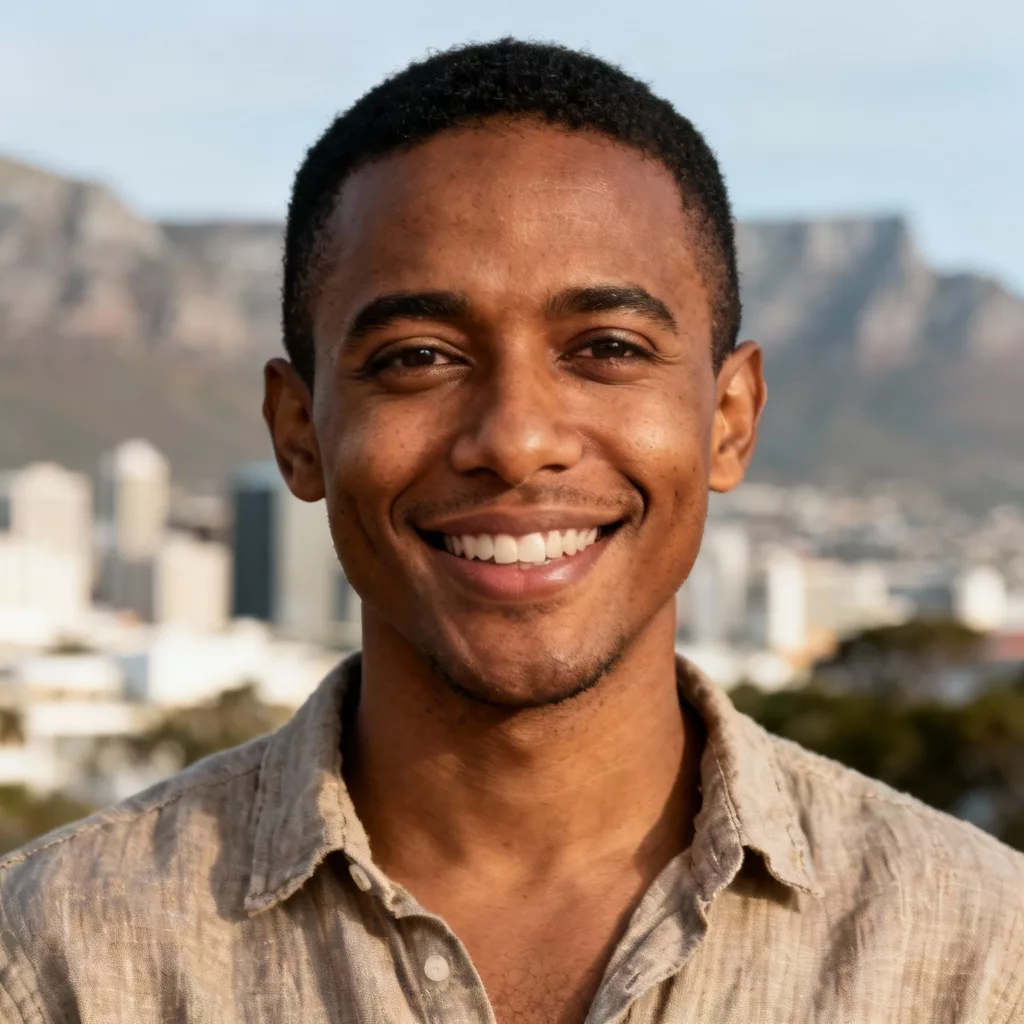
Dr. Tlaleng Mofokeng, a South African doctor, is a fiery voice for health rights globally. She became a lightning rod between Washington and Gaza after an envelope filled with human waste, racist slurs, and accusations of supporting “Hamas’ press office” was sent to her. This shocking event, amplified by her strong opinions on social media about the Israel-Palestine conflict, ignited a fierce debate. Now, her right to free speech and her very medical license are under attack, making her a symbol in the fight for human rights in a world of instant outrage.
Who is Dr. Tlaleng Mofokeng and why is she a polarizing figure?
Dr. Tlaleng Mofokeng is a South African physician and the UN Special Rapporteur on the right to health. She is a polarizing figure due to her outspoken activism on reproductive rights, her strong stance on health as a human right in occupied territories, and controversial social media posts regarding geopolitical conflicts, particularly concerning Israel and Palestine.
- Washington, Johannesburg, Gaza – June 2024*
Section 1 – A Package Too Stinking to Ignore
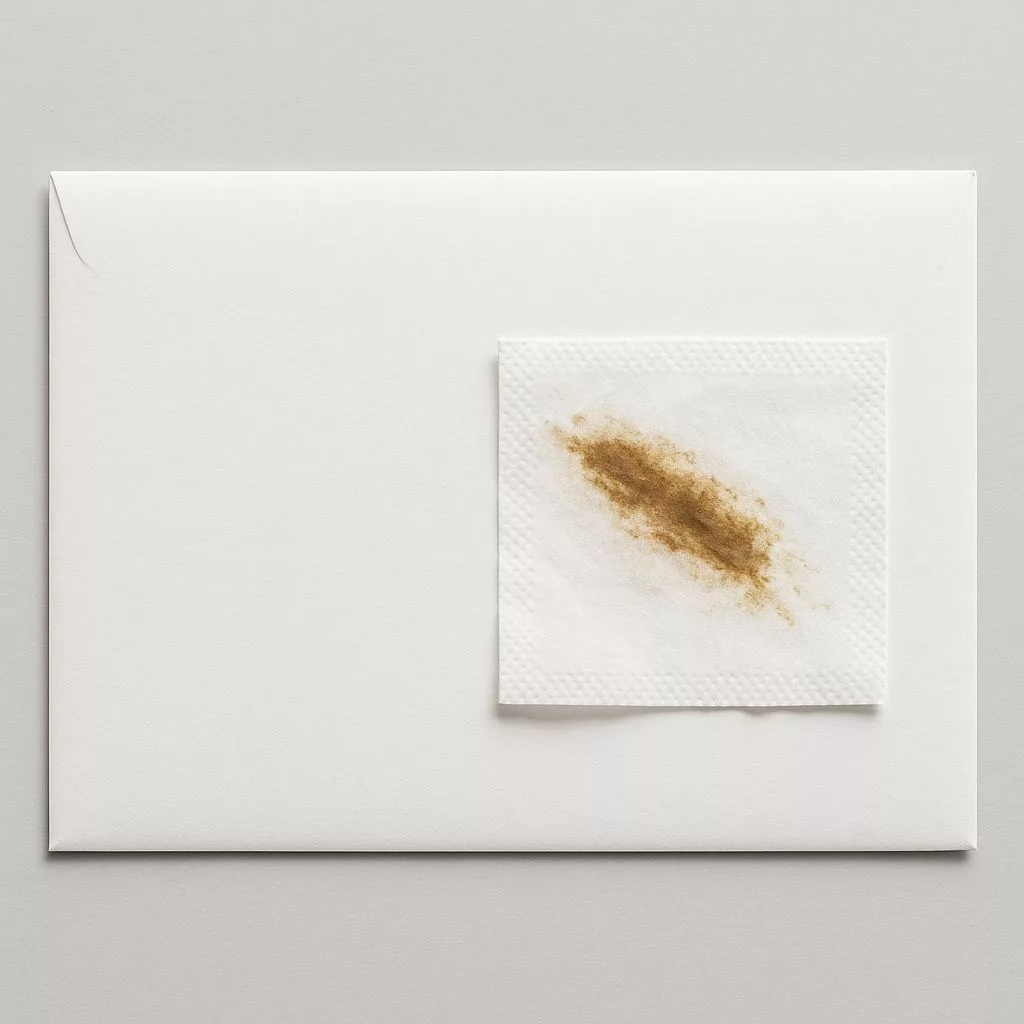
On 10 April 2024 a Georgetown mailroom clerk sliced open a plain envelope addressed to “Dr. Tlaleng Mofokeng, UN Special Rapporteur.” Instead of a letter, a single sheet of cheap toilet tissue slid out, streaked with human excrement. A block-printed note began: “You stitch bodies but rot minds.” It laced the page with racist slurs and accused the doctor of converting the World Health Organization into “Hamas’ press office.”
Campus security filed the stunt as “suspicious correspondence,” yet the fancy bio-terror tracing apparatus built after the 2001 anthrax scare has quietly withered. The stamp carries nothing more specific than a New York bulk-mail imprint and the sidewalk box where it was dropped enjoys no camera coverage. Within three hours the outrage jumped from an internal report to an Israeli news site, then to every drive-time show in South Africa, proof that in 2024 even bodily waste can go viral if the geopolitics stink enough.
The incident was never going to stay local. Mofokeng’s mandate from the UN Human Rights Council already made her a polarising figure, and the package arrived eight days before she was scheduled to lecture at Georgetown on “Health as a Human Right in Occupied Territories.” University officials offered to cancel the event; she refused, telling the dean: “If we silence ourselves, the envelope wins.” The speech went ahead behind two extra metal detectors, the first time a campus health seminar resembled a campaign rally.
Section 2 – From Township Clinics to Global Podiums
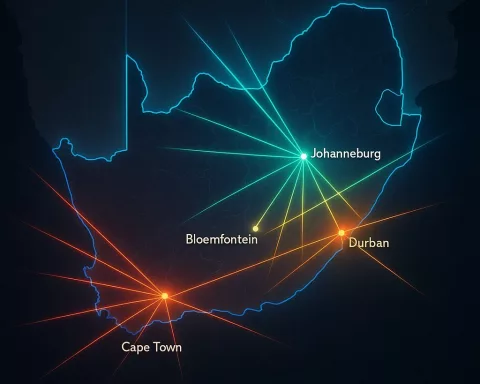
Tlaleng Mofokeng’s stethoscope still carries the dust of Thaba Nchu, a Free-State town erased from the map when apartheid’s Bantustans dissolved. She grew up watching women queue for pap-smears outside a mission hospital while the world cheered South Africa’s new flag. After graduating from the University of KwaZulu-Natal she clocked 30-hour shifts at Chris Hani Baragwanath – 40 babies, two bullet wounds, one breakfast.
In 2010 she launched a feminist reproductive-health clinic above a hair salon in downtown Johannesburg, open Saturdays so domestic workers could terminate pregnancies without navigating the state’s maze of consent forms. The clinic’s Facebook posts (“Abortion is health care. Full stop.”) drew pickets from local pastors long before her timeline mentioned Palestine. When cis-het male politicians labelled her “a pornographer in a white coat,” she replied by live-streaming herself inserting an IUD, adding: “This is what evidence-based medicine looks like.”
Her talent for turning gynaecology into sound-bite activism catapulted her onto WHO committees. In 2018 she argued that sanitary towels deserve the same VAT exemption as brown bread, and won. The UN Human Rights Council then chose her – 32 years old, black, female – as its youngest ever Special Rapporteur on the right to health. Colleagues say she lands in a capital, demands to inspect the morgue before the ministry, and leaves finance officials squirming over spreadsheets linking IMF surcharges to tuberculosis deaths. Pharmaceutical lobbyists dislike her even more than church pickets ever did.
Section 3 – Midnight Tweet, Midday Fallout
At 02:13 South African time on 19 January 2024 Mofokeng quote-tweeted an Al-Jazeera wire story: Netanyahu’s cabinet would not discuss a truce until Hamas delivered a hostage list. She added two words: “f*ck him.” Forty-seven minutes later, screenshots were already cached by pro-Israel monitors. Hillel Neuer of UN Watch fired back: “A UN rights expert incites hatred against a Jewish premier.” Rather than retreat, Mofokeng doubled down, labelling Neuer “white scum” and “war-crime apologist.” She deleted both tweets by dawn, but the South African Zionist Federation had stitched a 34-page dossier complete with time-stamps and retweet counts.
The fallout was instant. Inside the UN, diplomats who once courted her for quotes on vaccine apartheid now asked whether her Twitter fingers undercut the credibility of the entire special-procedures system. Outside, a Washington think-tank cancelled a keynote, and the editor of The Lancet requested she “voluntarily pause” her monthly column. Mofokeng told friends she would rather “lose followers than abandon patients,” yet the tweet would soon boomerang into the corridors of her own medical regulator in Pretoria.
Section 4 – Licence, Immunity, and the Battle for Precedent
South Africa’s Health Professions Council (HPCSA) polices “unprofessional conduct” even when a citizen works on foreign payroll. The Zionist Federation filed a complaint citing Rule 12(2): doctors must not use “inflammatory language that erodes public trust.” No patient alleged malpractice; the entire charge rested on tone. A preliminary Zoom hearing on 9 October 2023 lasted 18 minutes and ended with a R10 000 fine – about one month of her UN stipend – and a written judgment that compared her tweets to “a surgeon cursing in theatre.”
Public-interest law firm SECTION27 appealed, brandishing the 1946 Convention on UN Privileges and Immunities, baked into South African statute in 2001. Article VI §19 shields experts from “legal process of every kind” for words uttered “in the performance of their mission.” The UN’s special-procedures division filed an amicus insisting her Twitter screed fell squarely inside that mandate. The council retorted that 2 a.m. posts from a Washington flat lie outside “mission hours,” a logic that would let any traffic cop arrest an envoy for jay-walking between hotel and conference venue.
If the appeal fails, the council can escalate the reprimand to “serious misconduct,” erasing her from the national medical register. She would keep her UN title yet lose the ability to sign death certificates, lecture at home, or testify as an expert witness in South African courts. Worse, Pretoria would have carved a precedent that domestic ethics codes override international immunity – an invitation every autocrat hunting UN investigators has dreamt of. Whatever the verdict, the case has already turned one doctor’s hot-tempered midnight tweet into a stress test for whether global human-rights work can survive the age of eternal screenshots.
What happened to Dr. Tlaleng Mofokeng?
An envelope containing human waste, racist slurs, and accusations of supporting “Hamas’ press office” was sent to Dr. Tlaleng Mofokeng. This incident, coupled with her outspoken social media presence regarding the Israel-Palestine conflict, has led to attacks on her right to free speech and her medical license.
Who is Dr. Tlaleng Mofokeng and why is she a polarizing figure?
Dr. Tlaleng Mofokeng is a South African physician and the UN Special Rapporteur on the right to health. She is polarizing due to her strong advocacy for reproductive rights, her stance on health as a human right in occupied territories, and controversial social media posts concerning geopolitical conflicts, particularly the Israel-Palestine conflict.