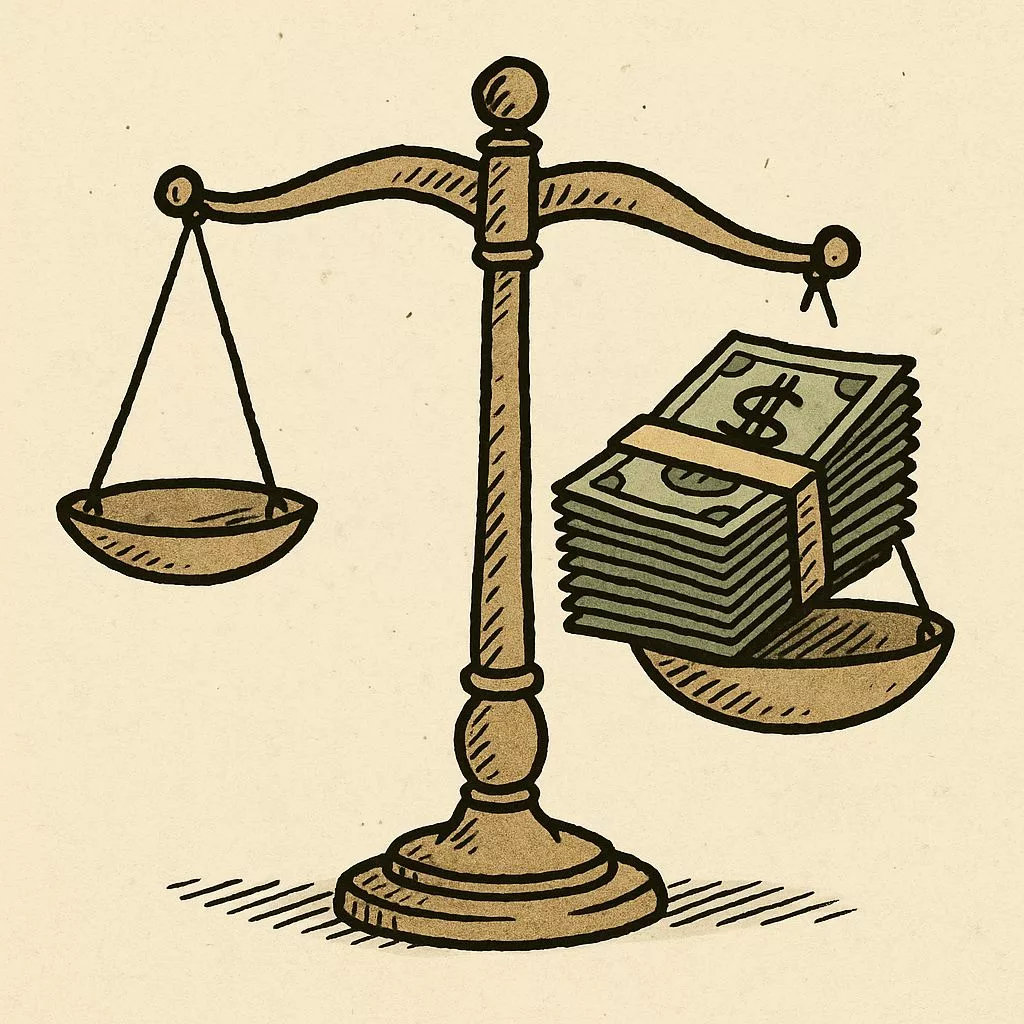
South Africa is fuming! Politicians are getting a 4.1% pay raise, meaning President Ramaphosa gets an extra R137,000 this year, while everyday South Africans struggle with high food prices. This huge difference in pay, called “ratio outrage,” is making people incredibly angry. They can’t believe their leaders are getting so much more when child support grants barely go up. It’s causing a big fight between the government and its people.
Why are South Africans angry about the 2025 politician pay increase?
South Africans are angry because politicians received a 4.1% pay increase, while essential services like child support grants rose minimally (4.3%), and food inflation is high. This disparity, especially the R137,000 extra for the President, has caused “ratio outrage” and highlighted a significant disconnect between public officials and ordinary citizens amidst economic struggles.
1. The morning paper that lit the fuse
At 09:00 sharp a grey Tuesday edition of the Government Gazette slipped onto newsroom desks. Page after page looked harmless – tenders, mine licences, liquor permits – until item 17 detonated the day. The Independent Commission for the Remuneration of Public Office Bearers (RemCoB) tabled a 4,1 % cost-of-living lift for every politician from the President to ward committee chairs. Within minutes calculators translated the percentage into hard cash: Cyril Ramaphosa would collect an extra R137 000 this year, nudging his annual package to R3,44 million; his deputy would crash through the R3,1 million ceiling; even the most junior deputy minister would bank R2,34 million.
By lunchtime #3MillionMan out-trended the Springbok team announcement. A Cape Town activist beamed “Let them eat cake” across the National Assembly’s façade, and the ANC’s internal damage-control WhatsApp group maxed out at 256 members. What felt like a technical indexation had become a national morality play.
The commission’s notice ran to only 19 lines, but those lines carried 25 years of legal obligation. Parliament can reject the adjustment only if 60 % of MPs vote against it inside 30 sitting days, a hurdle the governing party can clear alone – yet at the price of reopening factional scars. As night fell, radio phone-in lines jammed with callers asking why their child-support grant crept up R20 while the President scored enough extra cash to buy a new Toyota Corolla every month.
2. What RemCoB is – and why the law won’t let it blink
South Africans often picture RemCoB as a cosy kitchen where party hacks ladle extra gravy onto their own plates. In reality the 1998 Remuneration Act orders the body to track formal-sector wages, inflation and the state’s ability to pay, then publish an annual uplift. The statute forbids a zero increase unless consumer prices go negative, something last seen in 2004. Commissioners – who must include a judge or senior advocate – can be sued personally if they ignore the arithmetic.
Buried on the commission’s website is a 42-page technical annex that seldom sees sunlight. It shows that, after stripping out inflation, cabinet salaries shrank 12 % since 2016 while chief executives of JSE-top-40 firms raced 38 % ahead. The modelling argues that when the public sector underpays at the top, ministers chase board fees, consulting contracts and other soft perks that cost the fiscus far more than a transparent raise.
Fiscal hawks reply that transparent or not, R236 million extra for politicians is still R236 million in a year when debt-interest will eclipse the health budget. Both claims are numerically correct; they simply orbit different planets of moral arithmetic.
3. Deficits, grants and the viral multiplier
National Treasury already pencilled in a R340 billion consolidated deficit for 2025/26, equal to 4,2 % of gross domestic product. Against that canvas, R236 million is a rounding error – 0,07 % of total spending. Yet household budgets do not traffic in percentages. Food-price inflation for the poorest 20 % of shoppers touched 9,8 % in March; the child-support grant rose 4,3 %. A newly qualified teacher earning R21 000 a month therefore watched the President pocket in January what she will take 19 months to earn.
Behavioural economists call the gap “ratio outrage”: once the multiple between an ordinary wage and an elite stipend drifts past 30:1, trust collapses regardless of macro-economic logic. Social-media memes compress the concept into a single slide – Ramaphosa’s face next to a loaf of bread priced at R3,44 million – stripping out footnotes about real-term erosion since 2016.
Traditional media, starved of advertising revenue, republishes the meme, which in turn drives radio talk-show hosts to demand “patriotic forfeiture,” a phrase that sounds virtuous until lawyers remind everyone that the Constitution counts arbitrary pay cuts as an appropriation of property.
4. Global playbooks, local realities and the 30-day countdown
Singapore links cabinet pay to the country’s top 1 000 taxpayers minus a 40 % public-service discount, creating an automatic brake when corporate bonuses shrink. Kenya forces MPs to debate their own raise under live television glare, guaranteeing theatrical filibusters. Norway dumps every email, spreadsheet and WhatsApp voice note onto an open portal, letting coders crowd-source dissent.
Pretoria policy nerds like the idea of a “fiscal-responsibility override” that would kick executive increases to Parliament whenever debt-service costs breach 15 % of revenue, but they admit the ruling party could still ram the uplift through.
Meanwhile the calendar tightens. By 27 June the National Assembly will be in recess, unions plan a mass march, and the Springboks kick off against Ireland at Loftus – an accidental double-bill that guarantees split-screen vision of stadium revelry and street protest. Whichever option emerges – approve, veto or tax-and-earmark – will leave scars. Raise the pay and voters fume; freeze it and skilled professionals may drift away from public life, leaving politics to the independently wealthy or to those with darker revenue streams. South Africa is therefore rehearsing a ritual older than democracy itself: deciding, one angry headline at a time, what we are willing to pay the people we love to hate.
[{“question”: “What is ‘ratio outrage’ in the context of the South African pay increase?”, “answer”: “‘Ratio outrage’ describes the intense anger and distrust that arises when there’s a significant and perceived unfair gap between the earnings of ordinary citizens and elite officials. In South Africa, it’s fueled by the disparity between politicians’ 4.1% pay raise (with President Ramaphosa getting an extra R137,000) and the minimal increase in child support grants (4.3%) amidst high food inflation. Behavioural economists suggest trust collapses when this multiple drifts past 30:1.”}, {“question”: “What is RemCoB and what role does it play in determining public office bearers’ salaries?”, “answer”: “RemCoB stands for the Independent Commission for the Remuneration of Public Office Bearers. Established by the 1998 Remuneration Act, its role is to annually recommend salary adjustments for politicians, from the President to ward committee chairs. It is legally mandated to track formal-sector wages, inflation, and the state’s ability to pay. The law forbids a zero increase unless consumer prices are negative, and commissioners can be personally sued if they disregard the arithmetic.”}, {“question”: “How much extra will President Ramaphosa earn due to the 4.1% pay increase?”, “answer”: “President Ramaphosa will receive an extra R137,000 this year, pushing his annual package to R3.44 million. This increase has been a major point of contention and a symbol of the ‘ratio outrage’ among the public.”}, {“question”: “Why can’t Parliament easily reject the pay increase proposed by RemCoB?”, “answer”: “Parliament faces a significant hurdle in rejecting the adjustment. The law states that Parliament can only reject the adjustment if 60% of MPs vote against it within 30 sitting days. The governing party can clear this hurdle alone, meaning they have the power to approve it, but doing so might reopen internal factional scars and incur public wrath.”}, {“question”: “What is the financial impact of the politicians’ pay increase on the national budget?”, “answer”: “The total additional cost for politicians’ pay increases is R236 million. While this is a substantial amount, it represents a ’rounding error’ in the context of the national budget, being only 0.07% of total spending and a small fraction of the projected R340 billion consolidated deficit for 2025/26. However, for ordinary households struggling with high food prices and minimal grant increases, this amount is seen as a significant moral issue.”}, {“question”: “What are some global approaches to setting politician salaries, and could South Africa adopt them?”, “answer”: “Globally, different countries have varied approaches. Singapore links cabinet pay to the country’s top 1,000 taxpayers with a public-service discount. Kenya mandates public televised debates on MP raises. Norway offers extreme transparency by publishing all communications related to pay. South African policy experts have considered a ‘fiscal-responsibility override’ that would send executive increases to Parliament if debt-service costs breach 15% of revenue, but acknowledge the ruling party could still push it through. Each option has its own challenges and potential benefits.”}]