
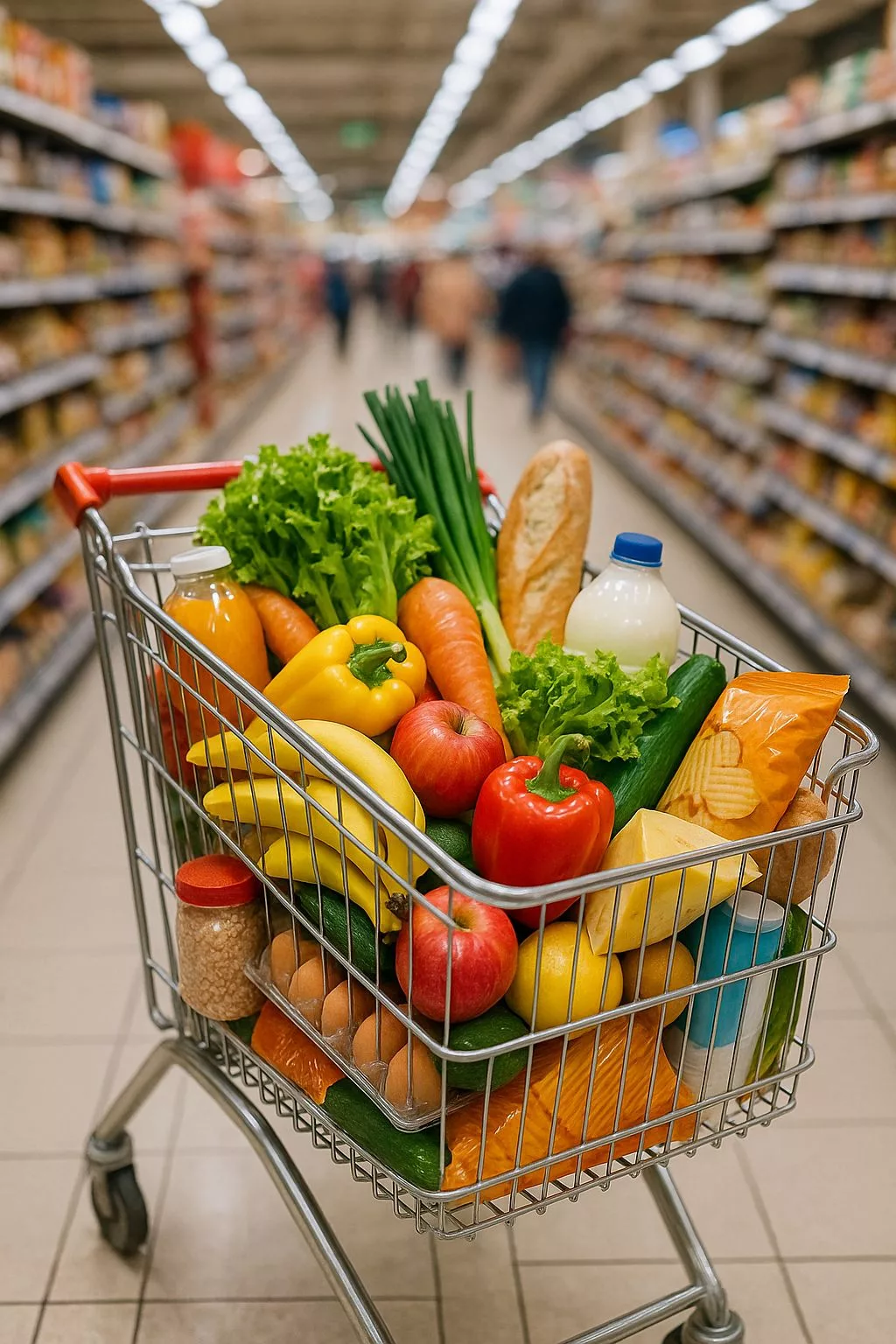
In 2025, South Africans turned grocery shopping into a thrilling national savings game! Millions flocked to stores on Fridays, using loyalty programs like Pick n Pay’s Smart Shopper to snag billions in cash-back points. Special ‘Power Hour’ sales, fun apps, and social media challenges made saving money exciting and a widespread, engaging ritual.
How did South Africans turn grocery shopping into a national savings ritual in 2025?
South Africans transformed grocery runs into a savings ritual by leveraging loyalty programs like Pick n Pay’s Smart Shopper, reclaiming R7 billion in cash-back points. “Power Hour” flash sales, tailored to peak shopping times and regional preferences, along with gamified apps and social media challenges, incentivized widespread participation, making saving an engaging national pastime.
17:30 nationwide: engines idle, trolleys rattle, WhatsApp pings explode
By 17:30 every Friday the asphalt around every supermarket starts to vibrate. Bakkie doors slam in Polokwane, sneakers scuff across the Kimberley parking lot, and Cape Town dads debate baby-potato varieties on family group chats. The choreography is identical: clock out, fetch kids, queue, swipe, save, repeat. Pick n Pay’s servers feel the surge first; on 7 March 2025 the Smart Shopper platform registered 2.3 million card dips in sixty minutes, a new record, and the heat-map on the analytics wall glowed the same purple as a Highveld thunderhead.
The maths behind the glow is brutal but beautiful. In five months shoppers clawed back R7 billion in cash-back points – equal to a thirteenth cheque for the typical participating household. Two million new members enrolled since January, many of them plastic-phobic consumers who once mocked “another loyalty gimmick”. Vince Viviers, officially head of Innovation and Digital, unofficially “grand-master of the swipe”, says the lure is primal: “People want to feel they’re outsmarting the tariff, even if the victory is just forty-three rand and a complimentary loaf.”
Friday’s dominance is no accident. Payroll cycles, school sports, and the national braai reflex compress disposable income into a four-hour window when wallets are technically fattest. Retailers answer with “Power Hour” flash specials that go live at 16:00 and die when the final till closes at 21:00. The outcome is a retail stadium: shelf stackers sprint, security guards direct trolley traffic like air-traffic controllers, and the in-store PA blasts 120-bpm playlists because behavioural studies prove fast beats shrink freezer-aisle dawdling.
City barcodes: Johannesburg starch, Cape Town virtue, Durban fire
Scan-data signatures differ by metropolis. Johannesburg’s top-selling SKU list reads like a Vosloorus hymn sheet: 25 kg maize meal, 2 kg beef shin, 5 kg chicken quarters, 1 L maas, 500 g samp, 400 g spinach. The same six-item basket cost R312 in 2019; in 2025 it rings up at R418, but the card rebates R11.40 – enough for a government loaf – creating the illusion of a price rewind.
Cape Town trolleys are lighter, greener, smugger. Free-range chicken breast outsells IQF wings three-to-one, rice-cake per-capita consumption rivals Berlin, and avocados still fly out even at R28 each. A micro-segment of 19 000 shoppers buys Sauvignon Blanc, biltong and organic lettuce in one swipe; analysts call them the “Constantia carnivores”. They earn the country’s highest average cash-back (R87 a month) but blow it immediately on single-origin beans, proving rebates can be reflex-spent on status.
Durban’s screen blinks turmeric-yellow. Specialty rice – basmati, jasmine, parboiled – moves 42 % faster than in Pretoria, fresh chillies are weighed not counted, and curry leaves are deliberately sold at a loss because their scent doubles basket size at the foyer. The surprise SKU is a 440 ml “Island Breeze” spirit cooler in litchi-naartjie flavour; it peaks at 09:30 on Saturdays, evidence that beach culture begins before breakfast.
Three missions that fill the trolley – fresh, stock-up, treat
Pick n Pay’s data priests boil 1.4 billion annual line items into three recurring “missions” that override race, class and province.
Mission 1 – Fresh, healthy full shop
Strikes every seven-to-nine days, basket size 30 items, 62 % produce, 18 % meat, 10 % dairy. Shoppers arrive clutching a printed list yet still grab 3.4 unplanned “fresh impulse” items – micro-herbs, baby corn, pomegranates. This mission delivers the fattest cash-back because supplier funding is richest on high-margin perishables.
Mission 2 – Pantry fill & clean
Triggered by pay-day or SASSA grant, cresting on the 25th. Fabric softener, toilet paper, tinned pilchards, cooking oil, bleach. Consumers are brand-switchers, list-loyal, time-poor; 31 % pre-order via the asap! app and collect from kerbside lockers. Average saving: only R14, but the psychological income is security – two-ply stacked high is a hedge against inflation.
Mission 3 – Treat & top-up
The baby basket, highest frequency, biggest mood swing. Visits spike Tuesday-Thursday 15:00-19:00. Chocolate slabs, doughnuts, kiddie yoghurt, a lone craft-beer can, a gossip magazine. Position the treats aisle behind the deli and basket value jumps 12 %. Shoppers recognise the trap, march into it anyway, and pacify themselves with R5 off the headline total.
App armies, dark trolleys, and the future beep
Pick n Pay’s asap! app began as a side hustle; today it is the locomotive. The average disciple opens it 11 times weekly, often just to spin a digital wheel that spits out 50–200 bonus points. Abandon a virtual basket and within half an hour you’ll hear Mantsoe “Papa” Tsatsa’s voice note: “Wa re o batla di-baby marrow, maan!” – a nudge that converts 38 % of slackers.
Behind the scenes, 1 400 matte-black “dark trolleys” zip around stores filling online orders. RFID tags stop them at the door; pickers wear finger-scanners and average 64 seconds per item. The national speed record – 42 seconds – belongs to a 19-year-old from Langa who can finger a 400 g can of Koo beans without looking. These ghost carts already generate 18 % of store revenue, a figure that doubles every nine months.
Social media has turned the swipe into theatre. TikTok’s #MySwipeFace challenge counts 38 000 videos and 190 million views. Participants film the millisecond their cash-back balance drops, neon-overlay the amount, and dance if it tops R50. Pick n Pay auto-DMs R20 worth of points to anyone who surpasses 10 k views – an ROI that leaves traditional ad buyers teary.
Trials for isiZulu and Sesotho voice-shopping are underway, letting domestic workers build family orders while commuting. Computer-vision fridges in Sandton already reorder milk unasked, but the real game-changer launches in July: SASSA cards will auto-redeem Smart Shopper points for 20 kg maize meal on grant day, turning loyalty into a state-sanctioned inflation shield for nine million beneficiaries.
Until then, the Friday 18:00 scrum remains the republic’s communal plaza – where avocado toast collides with umngqusho, borrowed trolleys dodge matte-black drones, and every electronic beep is a miniature anthem: I can’t set the price of the planet, but tonight I pocketed eleven rand and forty cents, and that buys tomorrow’s bread.
[{“question”: “What transformed grocery shopping into a national savings ritual in South Africa in 2025?”, “answer”: “In 2025, South Africans turned grocery shopping into a national savings ritual primarily through the extensive use of loyalty programs like Pick n Pay’s Smart Shopper. This allowed millions to earn billions in cash-back points. Special ‘Power Hour’ sales, engaging mobile applications, and social media challenges further gamified the experience, making saving money exciting and a widespread, engaging ritual.”}, {“question”: “How much cash-back did South African shoppers reclaim through loyalty programs?”, “answer”: “In just five months during 2025, South African shoppers clawed back R7 billion in cash-back points through loyalty programs. This amount was significant enough to be equivalent to a thirteenth cheque for the typical participating household.”}, {“question”: “Why did Friday become the dominant day for grocery shopping and savings?”, “answer”: “Friday’s dominance for grocery shopping and savings was intentional. It aligns with payroll cycles, school sports, and the national ‘braai reflex,’ concentrating disposable income into a four-hour window when wallets are ‘fattest.’ Retailers responded with ‘Power Hour’ flash specials from 4 PM to 9 PM, making Friday the prime time for maximizing savings.”}, {“question”: “How did different South African cities show unique shopping patterns?”, “answer”: “Scan-data signatures revealed distinct shopping patterns across cities. Johannesburg’s top sales included staples like maize meal and beef shin. Cape Town’s trolleys were ‘lighter, greener, smugger,’ with high sales of free-range chicken and avocados, and a micro-segment of ‘Constantia carnivores’ buying Sauvignon Blanc and organic lettuce. Durban’s sales were characterized by specialty rice, fresh chillies, and curry leaves, with an unexpected peak in ‘Island Breeze’ spirit coolers on Saturday mornings.”}, {“question”: “What are the three main shopping ‘missions’ identified by Pick n Pay’s data?”, “answer”: “Pick n Pay’s data identified three recurring shopping ‘missions’:\n\n1. Fresh, healthy full shop: Occurring every 7-9 days, with a basket size of around 30 items, primarily produce, meat, and dairy. These missions yield the highest cash-back due to supplier funding on high-margin perishables.\n2. Pantry fill & clean: Triggered by payday or SASSA grants, focusing on bulk items like fabric softener, toilet paper, tinned goods, and cooking oil. These shoppers prioritize security and often pre-order via the asap! app.\n3. Treat & top-up: The most frequent mission, characterized by smaller baskets and impulse buys like chocolate, doughnuts, and craft beer. These visits often spike on Tuesday-Thursday afternoons and are influenced by strategic store layouts.”}, {“question”: “How did technology and social media contribute to the savings ritual?”, “answer”: “Technology and social media played a crucial role. The Pick n Pay asap! app became a ‘locomotive,’ with users opening it multiple times weekly for bonus points and personalized nudges. ‘Dark trolleys’ and finger-scanners optimized online order fulfillment. Social media, particularly TikTok with its #MySwipeFace challenge, turned the act of checking cash-back balances into a viral phenomenon, incentivized by Pick n Pay with additional points for popular videos. Future plans included voice-shopping and auto-redemption of Smart Shopper points for SASSA cardholders, further integrating technology into daily savings.”}](