The 2026 World Cup tickets are super expensive, with some final seats costing $6,730. However, FIFA also offered cheaper seats for early games at $45, which sold out very fast! Many people want to go, with 150 million ticket requests already. This huge demand means ticket prices are high, but FIFA says they are trying to make it fair for everyone.
How much do 2026 World Cup tickets cost?
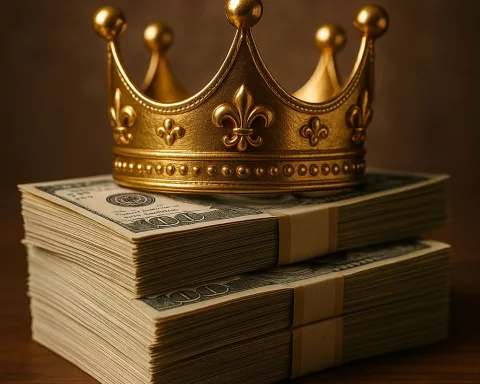
Ticket prices for the 2026 World Cup vary significantly, with the lowest-listed seats for the final at MetLife Stadium opening at $6,730. However, FIFA has also offered “affordable” seats for early group games, initially priced at $60 and later trimmed to $45.
Part 1 – A Stampede Before the First Whistle
The planet’s biggest single-sport jamboree still has twelve months to kick off, yet it is already rewriting the record books.
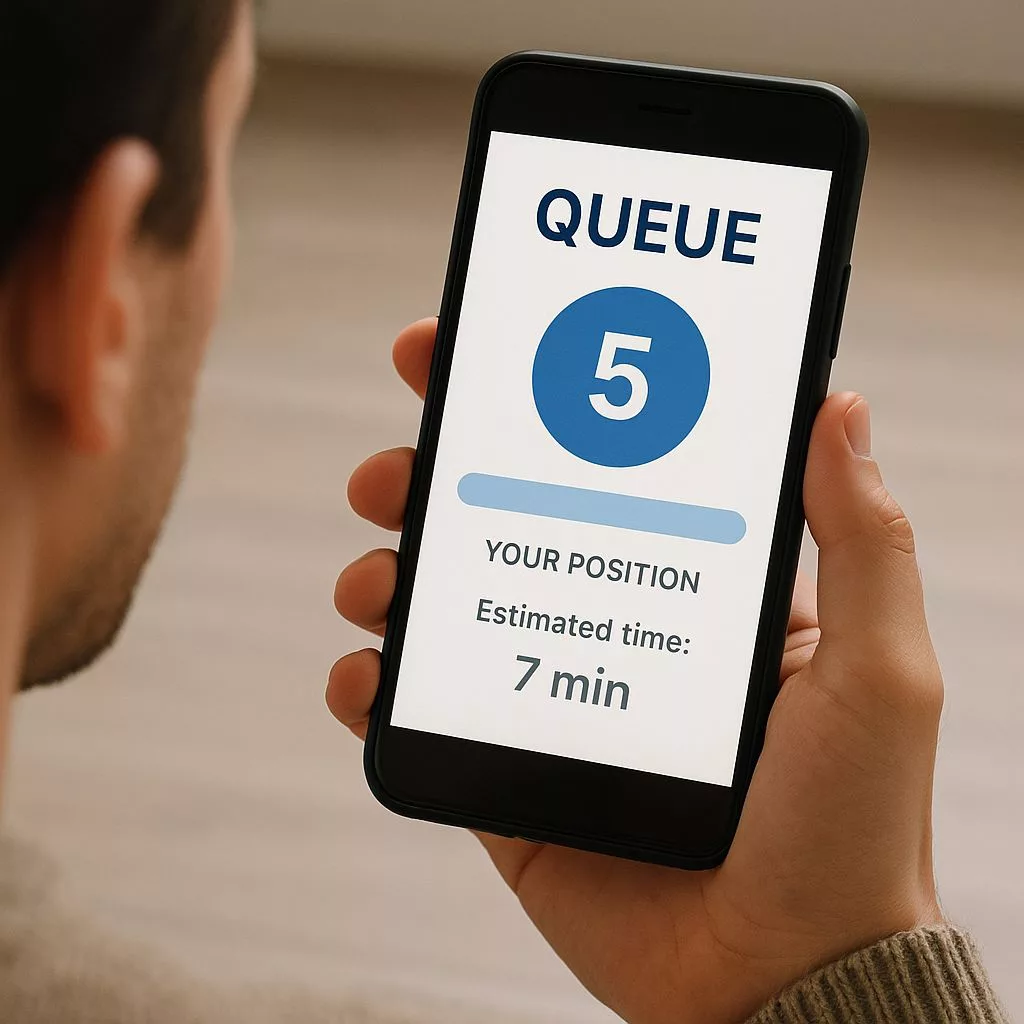
Within fourteen days of opening the digital box office, FIFA’s servers had swallowed 150 million ticket requests – enough to fill every seat in every NFL, NBA, NHL and MLB venue in the United States twice over.
That crush is twenty-five times larger than the traffic seen at the same stage for Brazil 2014 and almost four times the previous high-water mark set by Russia 2018.
Demand on that scale has a price, and the price exploded into the headlines.
The lowest-listed seats for the final at New Jersey’s MetLife Stadium – an 82 500-seat bowl best known for Giants and Jets Sundays – opened at $6 730, roughly R112 000 at mid-May exchange rates.
Football Supporters’ Association CEO Kevin Miles branded the figure “scandalous,” warning that “the event is being marketed like a Hermès handbag, not a national fiesta.”
FIFA’s first answer was a second wave of inventory it calls “affordable.”
Seats that had been tagged at $60 for early group games in Monterrey, Guadalajara and Vancouver were trimmed to $45; 1.2 million of them vanished in 72 hours.
President Gianni Infantino flew to Zurich briefings armed with that stat, insisting the queue of ten million daily users “speaks louder than any Twitter petition.”
He reminded reporters that the cumulative attendance for every World Cup since 1930 is 44 million; 2026 is on track to beat that lifetime tally in a single month.
“That is not elitism,” he declared, “it is blunt arithmetic.”
Part 2 – Where the Money Comes From and Where It Travels
The arithmetic rests on a revenue blueprint redrawn after Qatar 2022.
A longtime hospitality contract with Match Hospitality expired in December, letting FIFA create its own in-house unit – FIFA Hospitality 2026 – which now hoards 30 % of all seats.
The remaining 70 % is sliced so that 55 % goes to public lotteries, 8 % to the 48 competing federations, 4 % to sponsors, 2 % to broadcasters and 1 % to community schemes in each host city.
Target gate receipt: $1.85 billion, a 64 % leap over Qatar’s $1.1 billion even though the desert tournament featured smaller grounds and fewer matches.
Hitting that number demands airline-style yield software: algorithms re-price every block of four hours, digesting leftover stock, team pedigree, kick-off time and even Expedia airfare trends.
A Mexican fan paid $80 to watch El Tri open South Africa 2010; the same algorithm now tags Mexico–South Africa at Mexico City’s Azteca at $220 and climbing.
The ripple hits Cape Town and Johannesburg just as hard.
SAFA received 11 500 seats across South Africa’s three group fixtures; 7 000 are reserved for the “Diski” travelling clan.
Even the discounted $45 tier still demands roughly R19 400 for the cheapest return flight on Ethiopian, pushing a four-day trip past R23 000 – about half the country’s average annual household disposable cash.
President Danny Jordaan calls the sums “brutal,” but points to a $9 million advance from FIFA’s Club Benefits Programme that will bankroll charters and 2 000 social packages.
Whether that soothes a public still paying R90 million a year in interest on 2010’s Soccer-City debt remains an open sore.
North of the Rio Grande the maths looks different but feels familiar.
U.S. Soccer caps its own supporter allocation at 6 % of capacity – roughly 3 600 seats per match – while American Express Centurion members get first crack at the rest.
Cheapest Category 4 seat for a U.S. group game at LA’s SoFi starts at $180, three times the going rate for a Cleveland Browns NFL tilt.
Canada legislated a C$80 ceiling; the move crashed Ticketmaster’s Quebec portal in eighteen minutes and stranded 200 000 in the queue.
Mexico’s federation split the baby:
How much do 2026 World Cup tickets cost?
Ticket prices for the 2026 World Cup vary significantly. Final seats at MetLife Stadium started at $6,730. However, FIFA also offered “affordable” seats for early group games, initially priced at $60 and later trimmed to $45, which sold out very quickly.
Why are 2026 World Cup tickets so expensive?
The high demand for tickets is a primary reason for the elevated prices. FIFA’s digital box office received 150 million ticket requests within fourteen days, which is twenty-five times more than for Brazil 2014 and almost four times the record set by Russia 2018. This immense demand drives up the cost, especially for prime matches like the final.
How many ticket requests have been received for the 2026 World Cup?
Within just fourteen days of the digital box office opening, FIFA’s servers had already received 150 million ticket requests. This volume is enough to fill every seat in every NFL, NBA, NHL, and MLB venue in the United States twice over.
How is FIFA trying to make tickets fair or affordable?
FIFA introduced a second wave of inventory, which they call “affordable” seats. These tickets for early group games, initially priced at $60, were later reduced to $45. 1.2 million of these cheaper tickets vanished within 72 hours, indicating a strong public desire for more accessible pricing.
What is the revenue target for the 2026 World Cup?
FIFA aims to achieve gate receipts of $1.85 billion for the 2026 World Cup. This represents a significant 64% increase over Qatar’s $1.1 billion, despite the previous tournament having smaller venues and fewer matches.
How are the 2026 World Cup tickets allocated?
FIFA Hospitality 2026, an in-house unit, now controls 30% of all seats. The remaining 70% is distributed as follows: 55% for public lotteries, 8% for the 48 competing federations, 4% for sponsors, 2% for broadcasters, and 1% for community schemes in each host city.