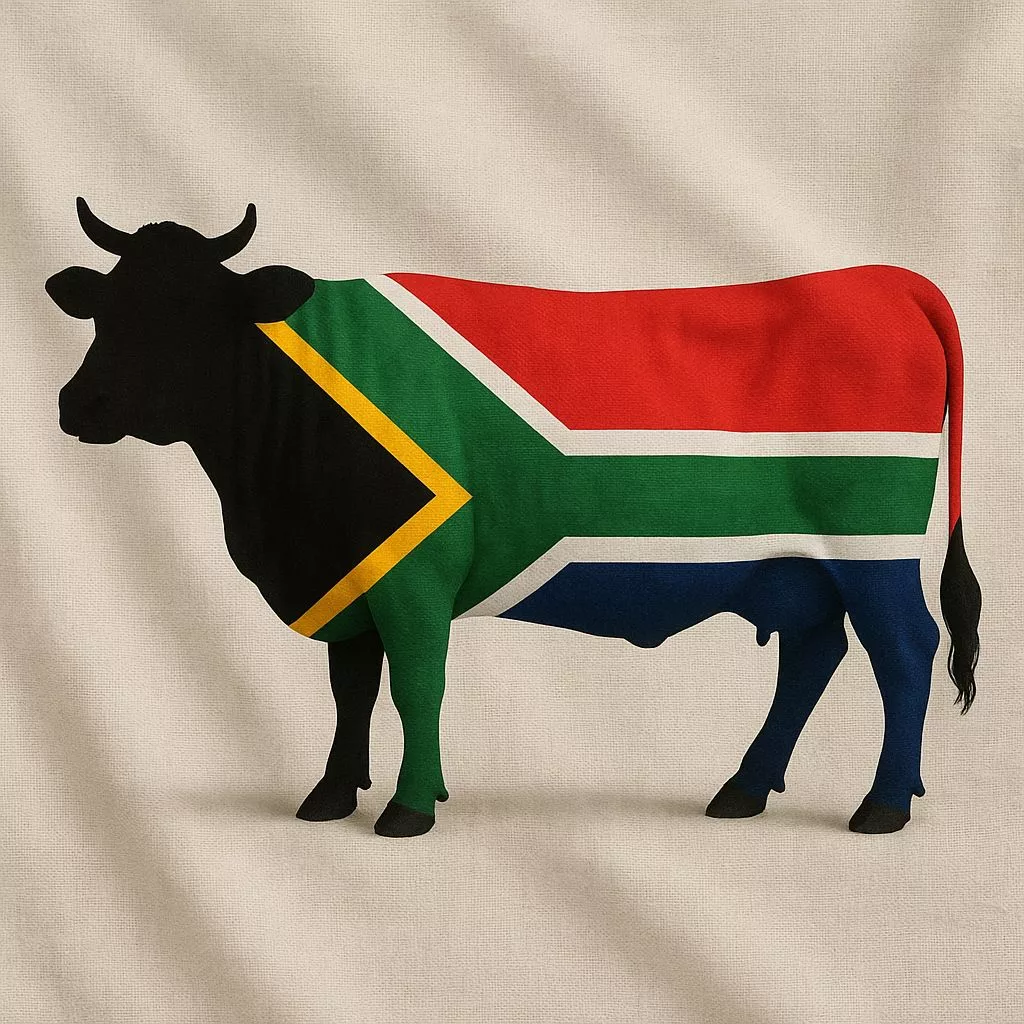
South African beef prices shot up in 2025, not because of local good news, but because the world ran short of red meat. Fewer cattle everywhere and China’s pork problems made other countries hungry for South African beef. Even with local sickness and people here buying less, farmers made more money. They sold to new places like the Middle East, using special tricks to get around problems. But the future is tricky, with animal sickness, changing weather, and how much money is worth all playing a part in what happens next for South African beef.
Why is South African beef experiencing a surge in 2025 despite domestic challenges?
South African beef is surging due to a global red meat shortage caused by declining cattle populations in major producing countries and stalled pork recovery in China. This external demand, coupled with a weaker rand and export rebates, allowed South African feedlots to increase prices and profitability, overcoming local issues like Foot-and-Mouth Disease and reduced domestic consumption.
Section 1 – The Rally No-One Ordered
Between February and May 2025 the market quote for a 220–230 kg feedlot steer leapt from R48 to R55 a kilogram live-weight, a 15 % bump that finally raced ahead of feed, diesel and borrowing costs. No drought broke, no subsidy was announced; the spark came from outside borders. USDA head-count tables show the planet has been shedding cattle for four straight years: Brazil down 3 %, Australia 5 %, the United States 2 %. Female retention is at its lowest since the last major liquidation in 1979.
China’s pork recovery, hailed in 2023, stalled again, nudging importers back toward red meat at the very moment India throttled buffalo-meat shipments out of Uttar Pradesh and banned outright slaughter in Maharashtra. The simultaneous squeeze created a vacuum in both the Atlantic and Pacific basins and, almost by accident, South African beef was inhaled – at a premium.
Feedlots that had spent two years drowning in expensive maize and R23 diesel suddenly found themselves in the rare position of naming the price. Calf producers, offered forward contracts they had not seen since 2020, pocketed deposits within days. The entire local industry went from survival mode to mini-boom before winter coats had even shed.
Section 2 – Feedlots Reload, Shoppers Retreat
The country’s 270 commercial feedlots used the windfall to clear 18 months of arrears on revolving credit and to reinstate bonuses for contracted calves. Rations crept back from 78 % to 85 % maize, restoring marbling scores that export graders had down-rated in 2023. By June the average feed margin had flipped to plus R742 a head after 28 consecutive months of red ink.
Yet the party on the farm is not reaching most dinner tables. South African beef is still the fifth-cheapest globally on the IMF meat-purchasing-power index – cheaper per kilo than craft beer – but wages matter more than dollars. Official unemployment sits at 32.8 % and median formal pay rose only 4.2 % against inflation of 5.1 %. Per-capita consumption slipped a further 0.8 kg to 16.4 kg, the thinnest figure since democracy.
Retail scanners confirm the bifurcation: movement in high-end loins (R189/kg) fell 9 %, while packs of 80 % lean mince and offal at R59/kg jumped 11 %. The global shortage is, paradoxically, pricing the domestic middle class out of its own steak.
Section 3 – Foot-and-Mouth: Geography as Economic Sanction
January brought SAT-2 lineage II across the Limpopo River, hitch-hiking on undocumented cattle dodging Zimbabwe’s currency controls. By May the virus had triggered three separate movement bans, trimmed auction throughput 26 % and added an estimated R1.4 billion in direct costs – vaccines, fencing, disinfectant, lost gains.
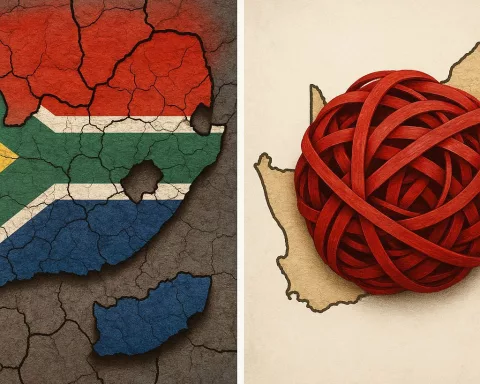
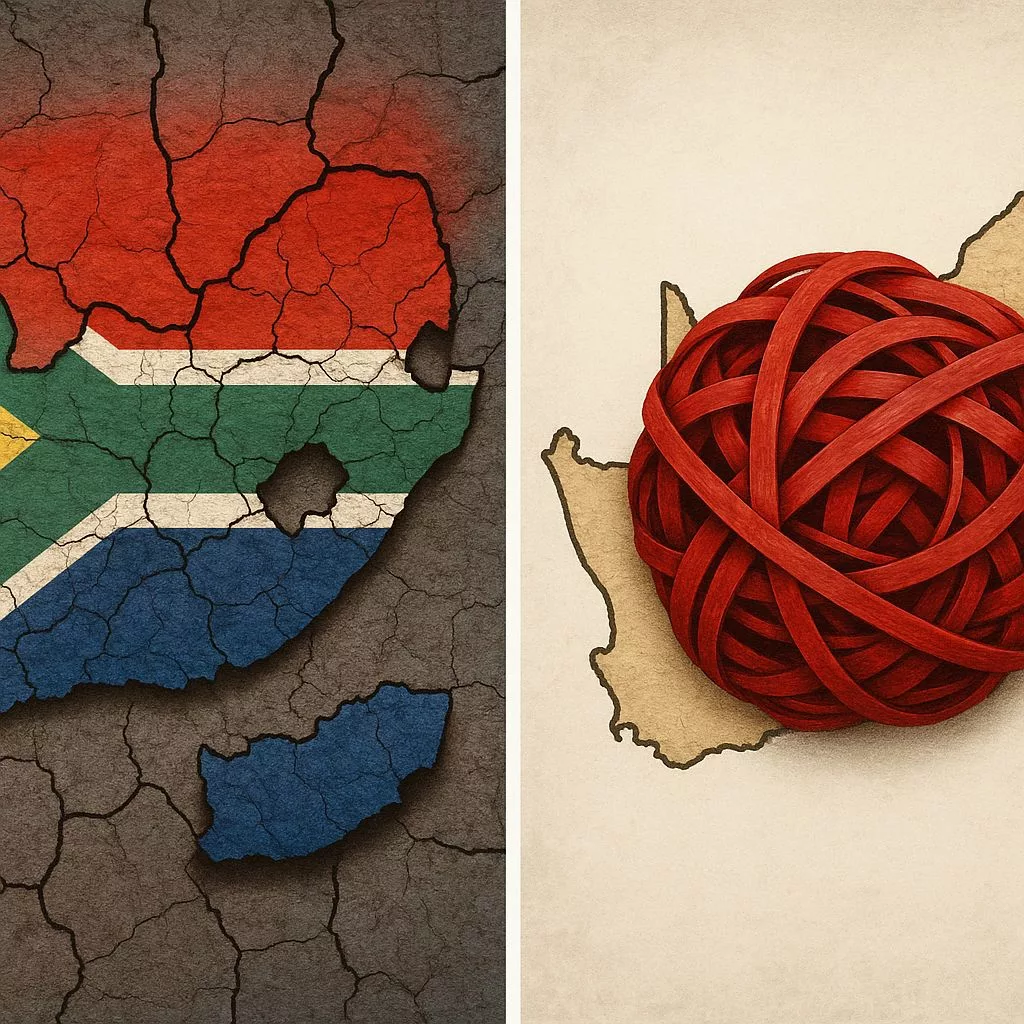
What makes FMD a micro-economic bomb is map risk. A 3 km protection zone instantly strips cattle of their “FMD-free without vaccination” badge, slamming doors to the EU, China, Saudi Arabia and the UAE. Animals trapped inside fetch an immediate R8–12/kg discount, the exact wedge most farmers need to break even. The illness is biological; the damage is geographic.
Government’s November counter-punch targeted 950 000 head from Musina to Lephalale with a fast-acting live vaccine purchased from Botswana. Antibodies rise within seven days, faster than China’s 21-day audit window, but vaccinated beasts also shed viral RNA for two weeks. Beijing therefore demands a 90-day quarantine plus negative serology, erasing the calendar gain. The fix is a costly “ring-plus-segment” plan: heavy vaccination inside the corridor, spotless traceability in an export-only “white zone” west of the Drakensberg. Parallel herds, software and even trucks double overheads, yet keep Gulf auditors happy.
Section 4 – New Routes to Foreign Plates, and the Numbers Behind a Smaller Kill
China’s March suspension wiped R2.1 billion of forward sales off the books. Exporters pivoted overnight to the Middle East, trimming carcasses to 220 kg to dodge “heavy steer” tariffs, upgrading halal protocols to <1 Amp electrical stun and hand-throat cut within ten seconds, and replacing frozen blocks with vacuum-packed retail cuts. By September South Africa had landed 9 300 t in the Gulf – enough to replace roughly two-thirds of the lost Chinese volume, albeit at an average price $1 400 a tonne lower. A weaker rand and an export rebate of R1.02/kg kept ledgers in the black.
Behind the slaughter shortfall lies a 13–15 % tonnage dip, not the announced 5–7 %. Feedlots kept cattle 10–12 extra days to offset pricey maize, so carcass weights rose only 2 %. Drought-induced cow culling in 2024 removed a full “kill shift” of 24 000 head. Genetic selection for lighter, earlier-maturing animals trims another 4 kg per carcass. Add FMD standstills that forced producers to hold 90 kg weaners and the arithmetic is brutal: higher prices, fewer animals, lower absolute revenue.
Scenario builders now map four paths. The base case (45 % odds) sees La Niña deliver normal rains, containment of SAT-2, rand easing to 20/$, China reopening Q3-2026; farmgate price averages R56/kg. A disease spiral (30 %) that breaches white-zone integrity could collapse local quotes to R42/kg and spark herd liquidation. A “green swan” (15 %) in which cultured wagyu grabs 8 % of global demand would tip feedlots into contraction and return pasture-raised animals to premium status. A rand meltdown at 25/$ (10 %) could yank domestic beef to R70/kg, driving consumers to chicken and lentils and pushing per-capita use below 14 kg for the first time on record.
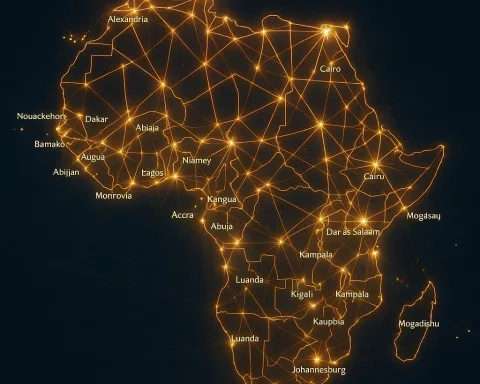
Long-term, Pretoria is lobbying for an AfCFTA “red-meat corridor” that recognises zonal, not national, FMD status. If secured by 2032, a Limpopo-certified calf could fatten in Botswana, be processed in Tshwane and still enter Lagos duty-free, turning southern Africa into a quarter-billion-person market. Until then every extra rand on the hoof must navigate quarantine maps, dying cows, restless consumers and a world that suddenly wants what South Africa may not always have.
Why is South African beef experiencing a surge in 2025 despite domestic challenges?
South African beef is surging due to a global red meat shortage caused by declining cattle populations in major producing countries like Brazil, Australia, and the United States, and the stalled recovery of China’s pork industry. This external demand, coupled with a weaker Rand and export rebates, allowed South African feedlots to significantly increase prices and profitability. This surge occurred despite local challenges such as Foot-and-Mouth Disease outbreaks, reduced domestic consumption due to high unemployment and stagnant wages, and increased operational costs like feed and diesel.
What caused the global red meat shortage that benefited South Africa?
The global red meat shortage that benefited South Africa in 2025 was primarily caused by a four-year global decline in cattle populations across major producing nations, including Brazil, Australia, and the United States. Additionally, China’s pork industry recovery stalled, leading them to seek alternative red meat imports. The situation was further exacerbated by India throttling buffalo-meat shipments, creating a significant vacuum in global red meat supply.
How did Foot-and-Mouth Disease (FMD) impact the South African beef industry, and how were exports maintained?
Foot-and-Mouth Disease (FMD) had a significant impact, triggering movement bans, reducing auction throughput, and adding substantial direct costs. The disease created “map risk” where protection zones stripped cattle of their FMD-free status, closing doors to major markets like the EU, China, and Saudi Arabia. To counter this, the government implemented a costly “ring-plus-segment” vaccination plan, creating a highly controlled “white zone” for exports west of the Drakensberg. When China suspended imports due to FMD, South African exporters pivoted to the Middle East, adapting to their specific requirements like smaller carcass sizes, upgraded halal protocols, and vacuum-packed retail cuts, supported by a weaker Rand and export rebates.
How did South African feedlots and calf producers benefit from the 2025 surge?
South African feedlots, after two years of losses, experienced a significant windfall. They used the increased profits to clear arrears on credit, reinstate bonuses, and improve feed quality by increasing maize rations, which in turn restored marbling scores for export. Calf producers also benefited by being offered forward contracts, a rarity since 2020, and receiving deposits quickly. This shift moved the entire local industry from a survival mode to a mini-boom.
Why did the domestic South African consumer not experience the benefits of the beef surge?
Despite the export boom, the domestic South African consumer did not experience the benefits of the beef surge. While South African beef remained relatively cheap globally, local wages did not keep pace with inflation (median pay rose 4.2% against 5.1% inflation) and unemployment remained high at 32.8%. This led to a further slip in per-capita beef consumption to its lowest figure since democracy. Retail data showed a decline in high-end cuts and a jump in sales of cheaper mince and offal, indicating that the global shortage paradoxically priced the local middle class out of their own steak.
What are the future outlooks and long-term strategies for the South African beef industry?
The future of the South African beef industry is subject to several scenarios, including a base case with normal rains, FMD containment, and China reopening by Q3-2026. However, risks include a disease spiral collapsing local prices, a “green swan” event where cultured wagyu impacts global demand, or a Rand meltdown driving domestic prices even higher and further reducing consumption. Long-term, Pretoria is lobbying for an African Continental Free Trade Area (AfCFTA) “red-meat corridor” that recognizes zonal FMD status. This initiative, if secured by 2032, could open up a quarter-billion-person market for southern African beef by allowing FMD-certified calves from Limpopo to be processed elsewhere and enter other African markets duty-free.