Western Cape Seeks Provincial Disaster Declaration After Severe Weather Causes Significant Damage

1 min read
western cape severe weather

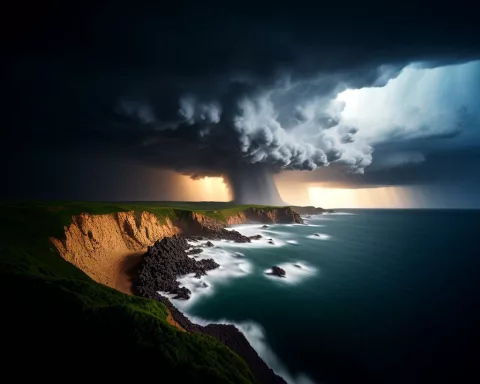
The Western Cape Government is requesting a provincial disaster declaration from the National Disaster Management Centre (NDMC) following severe weather from June 14-19 that caused significant damage. Western Cape Minister of Local Government, Environmental Affairs, and Development Planning Anton Bredell presented a consolidated damage report to the cabinet, which estimated unfunded damages at R703.3 million.

Agriculture Suffers Most

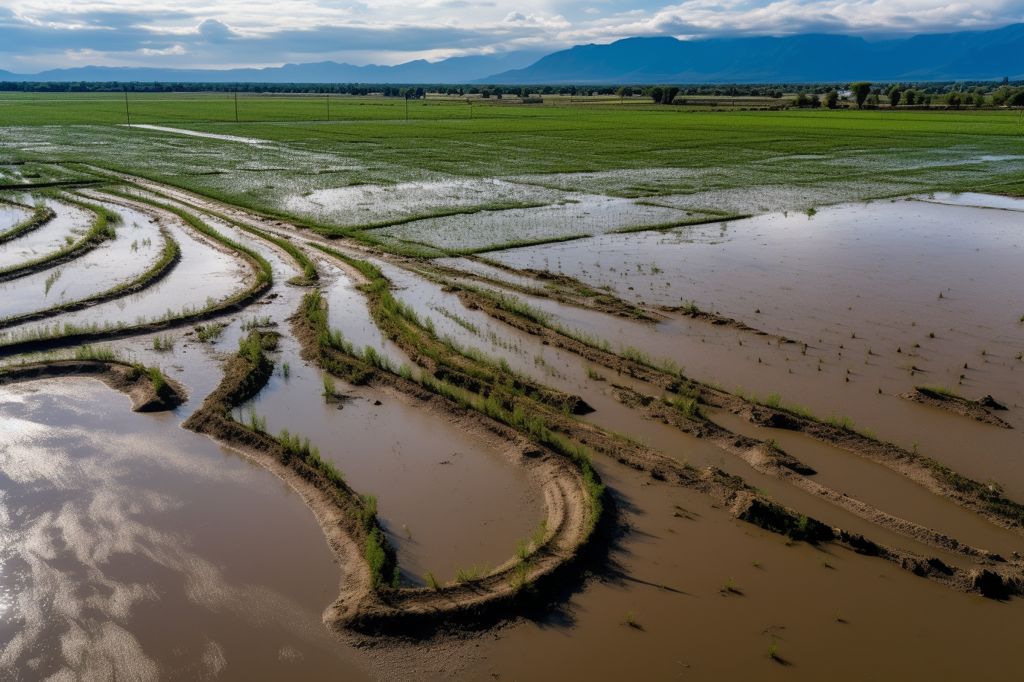
Agriculture has suffered the most, with unfunded damages amounting to R500 million. To help, the Department of Agriculture has reprioritized R18.6 million for the sector. Western Cape Minister of Agriculture Dr. Ivan Meyer observed the extensive damage caused by the floods to rural communities during his oversight visits to the West Coast, Cape Winelands, and Overberg. He noted damage to agriculture irrigation, fencing, orchards, vineyards, crops, and rivers. Consequently, Meyer welcomed the decision to approach the national government for assistance.

Newsletter

Stay Informed • Cape Town

Get breaking news, events, and local stories delivered to your inbox daily. All the news that matters in under 5 minutes.

Join 10,000+ readers
No spam, unsubscribe anytime

Provincial Infrastructure Damaged

Unfunded damages to provincial infrastructure are estimated at R181.8 million. The Department of Infrastructure has reprioritized R4.6 million from its appropriated budget for the 2023/24 financial year to address immediate repairs to crucial infrastructure. Minister of Infrastructure Tertius Simmers emphasized the importance of requesting a provincial state of disaster classification, as it would accelerate economic recovery and enable the seamless movement of goods, services, and residents.

Maintaining Infrastructure Vital

The Western Cape exports over 50% of South Africa’s agricultural products, making it essential to maintain infrastructure that enables the sector to operate optimally. After considering reprioritized budgets, unfunded damages to municipal infrastructure amount to R21.5 million, impacting several municipalities across the province.

Viewing Flood Damages in Context of Climate Change

Minister Bredell expressed gratitude for the dams now being full due to heavy rain but also highlighted the need to view the flood damages in the context of climate change. He emphasized that future flooding and droughts may be more intense. As the province rebuilds, Bredell urged for planning and design to consider the future, stressing the importance of well-maintained ecosystems, catchments, and river courses free of alien vegetation, which allow for better water retention, less erosion, and free-flowing rivers, ultimately preventing expensive damage to infrastructure or potential loss of life.

A provincial disaster declaration would enable the Western Cape Government to seek financial support from the national government, as the scope of the damages is beyond the province’s fiscal capacity. Minister Bredell stressed the importance of considering future risks and the need to build resilient infrastructure that can withstand severe weather events.
Lerato Mokena is a Cape Town-based journalist who covers the city’s vibrant arts and culture scene with a focus on emerging voices from Khayelitsha to the Bo-Kaap. Born and raised at the foot of Table Mountain, she brings an insider’s eye to how creativity shapes—and is shaped by—South Africa’s complex social landscape. When she’s not chasing stories, Lerato can be found surfing Muizenberg’s gentle waves or debating politics over rooibos in her grandmother’s Gugulethu kitchen.

Leave a Reply

Your email address will not be published.

Previous Story

Table Mountain: An Icon of South Africa’s Natural Heritage

Next Story

Cape Town’s Plan for Environmental Restoration and Infrastructure Upgrades

Latest from Blog

Forty Metres of Air: The Morning Kiteboarding Rewrote Physics

Hugo Wigglesworth, a young kiteboarder, defied gravity and rewrote the record books by soaring an incredible 40 meters into the air. He used powerful winds, a perfectly timed jump off a wave, and special gear to achieve this amazing feat. His careful planning and hundreds of practice runs made him fly higher than anyone before, showing the world what’s possible in kiteboarding.

Airbnb Under Fire: How Cape Town’s Housing Crunch Became a Tourism Blame-Game

Cape Town’s housing woes are NOT really Airbnb’s fault, even though a viral photo tried to blame them! The real problem is that not enough homes are being built, and lots of new people are moving to the city. Getting building permits takes forever, making homes expensive. Airbnb brings in lots of money and jobs, and even if all Airbnbs disappeared, it wouldn’t fix the big housing shortage. The city needs to build more homes and make it easier to do so, not just point fingers at tourists.

Cape Town’s Hottest Tables: Where Summer Tastes Like Salt, Smoke and Midnight Vinyl

Cape Town’s new restaurants are super exciting, offering amazing tastes from the ocean, farms, and even old recipes. Places like Amura serve unique sea dishes, while Tannin has a huge wine list and tiny plates. Café Sofi bakes heavenly pastries, Beach Buns makes awesome burgers, and Le Bistrot de JAN mixes French and South African flavors. These spots let you taste the city’s lively food scene, from fancy dinners to casual beach eats, making every meal an adventure.

Between Concrete and Current – Four Inland Hearts Meet the Indian Ocean

This article tells a beautiful story of four South Africans from inland places who see the Indian Ocean for the very first time. For many, the sea is just a picture, far away and hard to reach. But when these brave people finally touch the salty water, it changes them deeply. They feel the ocean’s power, taste its salt, and understand that this huge, blue world is now a part of their own story, breaking down old ideas about who can connect with the sea.