
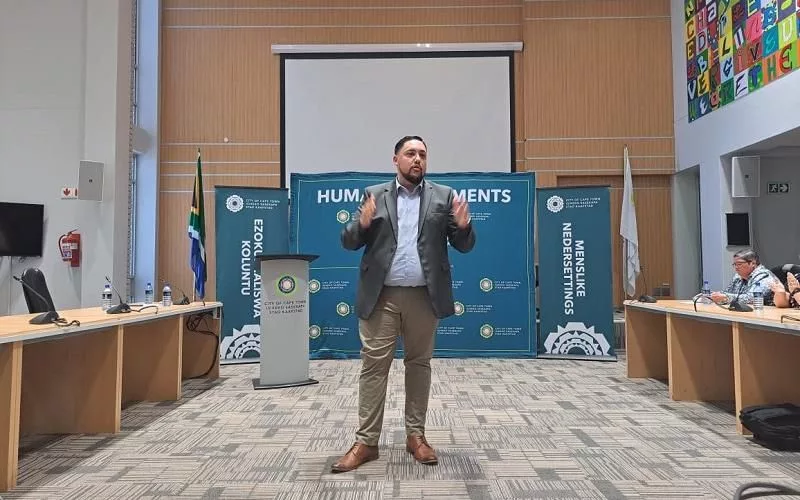
The title deeds initiative in Cape Town provides secure tenure and opportunities to those who need it most. On October 11, 2023, 20 title deeds were presented to beneficiaries of delayed transfer properties in the Mitchells Plain region, unlocking a world of possibilities and a promising future. By bestowing these title deeds, the City enables its citizens as property owners, offering secure tenure and the opportunity to create a life filled with purpose and potential. This program benefits not only individual homeowners but also uplifts communities and fortifies the city’s socio-economic fabric.
What is the title deeds initiative in Cape Town?
The title deeds initiative in Cape Town led by the Human Settlements Directorate aims to provide secure tenure and opportunities to those who need it most. By bestowing title deeds to homeowners who bought their properties through loans or installment arrangements before 1994, the City enables its citizens as property owners. This program fosters sustainable and equitable development, benefiting not only individual homeowners but also uplifting communities and fortifying the city’s socio-economic fabric.
Empowering Homeowners in Cape Town
In Cape Town, South Africa, a city that brims with energy and activity, a powerful initiative led by the City’s Human Settlements Directorate is transforming the lives of its inhabitants. On October 11, 2023, Councillor Carl Pophaim, the Mayoral Committee Member for Human Settlements, proudly presented 20 title deeds to beneficiaries of delayed transfer properties in the Mitchells Plain region. This momentous occasion signifies a new beginning for these homeowners, unlocking a world of possibilities and a promising future.
These title deed recipients are individuals who bought their properties from various former municipalities through loans or installment arrangements, primarily before 1994. In the upcoming weeks and months, the City plans to expand this life-changing initiative to more residents throughout the metro area, unleashing the potential for personal and communal progress.
The primary goal of this title deeds initiative is to facilitate redress and present opportunities to those who need it most. By bestowing these title deeds, the City enables its citizens as property owners, offering secure tenure and the opportunity to create a life filled with purpose and potential. This program is in line with Cape Town’s pledge to implement land reform that is both effective and accessible to its residents.
Accelerating the Transfer of Ownership
Councillor Pophaim urges all eligible beneficiaries to step forward and claim their title deeds, underlining the significance of formalizing homeownership and establishing secure tenure. In the coming months, the City intends to expedite the transfer of ownership and distribution of title deeds throughout Cape Town, further showcasing its commitment to fair land reform.
The title deeds initiative has already positively impacted the lives of hundreds of residents in various parts of the city. Councillor Pophaim expresses his appreciation to the Human Settlements officials for their hard work in bringing this program to fruition. As this project continues to grow, many more residents will reap the benefits of the stability and assurance that legal homeownership provides.
To keep eligible residents informed and current on the title deeds program, the Human Settlements Directorate encourages them to make direct contact for more information. Residents can visit a City Housing Office or call the Human Settlements Call Centre at 021 444 0333 to inquire about when the program will arrive in their locality.
Fostering Socio-economic Development
The Mitchells Plain homeowners’ story exemplifies the power of secure land tenure in elevating communities and promoting socio-economic development. Through initiatives like these, Cape Town not only addresses historical disparities but also cultivates a sense of belonging and pride among its residents.
Furthermore, the title deeds initiative generates ripple effects that reach beyond individual homeowners. As more residents formalize their property ownership, entire communities become more stable and secure, resulting in increased investment in the local economy and infrastructure. This, in turn, contributes to the overall growth and development of Cape Town and its diverse neighborhoods.
The distribution of these title deeds symbolizes a more profound transformation occurring in Cape Town. As the City continues to prioritize land reform and empower its citizens, it is planting the seeds for a brighter and more prosperous future for all. With each title deed granted, another family gains the chance to build a life of security, success, and dignity.
In conclusion, Cape Town’s Human Settlements Directorate’s title deeds program is a crucial step in fostering sustainable and equitable development. As more residents obtain their title deeds, they unleash the opportunity to flourish and contribute to their city’s growth. This initiative benefits not only individual homeowners but also uplifts communities and fortifies the city’s socio-economic fabric. It is a testament to the power of equitable land reform and the unwavering commitment of the City of Cape Town to create a brighter future for all its residents.
1. What is the title deeds initiative in Cape Town?
The title deeds initiative in Cape Town led by the Human Settlements Directorate aims to provide secure tenure and opportunities to those who need it most. By bestowing title deeds to homeowners who bought their properties through loans or installment arrangements before 1994, the City enables its citizens as property owners.
2. How does the title deeds initiative benefit homeowners?
The title deeds initiative offers secure tenure and the opportunity to create a life filled with purpose and potential. This program fosters sustainable and equitable development, benefiting not only individual homeowners but also uplifting communities and fortifying the city’s socio-economic fabric.
3. Who presented the title deeds to homeowners in Mitchells Plain?
Councillor Carl Pophaim, the Mayoral Committee Member for Human Settlements, proudly presented 20 title deeds to beneficiaries of delayed transfer properties in the Mitchells Plain region.
4. Who is eligible to receive a title deed through this program?
Homeowners who bought their properties from various former municipalities through loans or installment arrangements, primarily before 1994, are eligible to receive a title deed through this program.
5. How is the City planning to expand this initiative?
In the upcoming weeks and months, the City plans to expand this life-changing initiative to more residents throughout the metro area, unleashing the potential for personal and communal progress.
6. What is the primary goal of the title deeds initiative?
The primary goal of this title deeds initiative is to facilitate redress and present opportunities to those who need it most. This program is in line with Cape Town’s pledge to implement land reform that is both effective and accessible to its residents.
7. How can eligible residents stay informed about the program?
To keep eligible residents informed and current on the title deeds program, the Human Settlements Directorate encourages them to make direct contact for more information. Residents can visit a City Housing Office or call the Human Settlements Call Centre at 021 444 0333 to inquire about when the program will arrive in their locality.
8. How does the title deeds initiative promote socio-economic development?
The title deeds initiative generates ripple effects that reach beyond individual homeowners. As more residents formalize their property ownership, entire communities become more stable and secure, resulting in increased investment in the local economy and infrastructure. This, in turn, contributes to the overall growth and development of Cape Town and its diverse neighborhoods.