A Story of Compassion and Resilience
Nature’s allure often stems from tales of struggle and perseverance that arise within it. One such story involving three young seals and their rescuers, James Suter and Guy Gafney, has recently captivated our hearts and minds. In a world grappling with the escalating menace of plastic waste, this account serves as a touching reminder of how our actions affect the environment and emphasizes the need for collective efforts to preserve marine ecosystems.
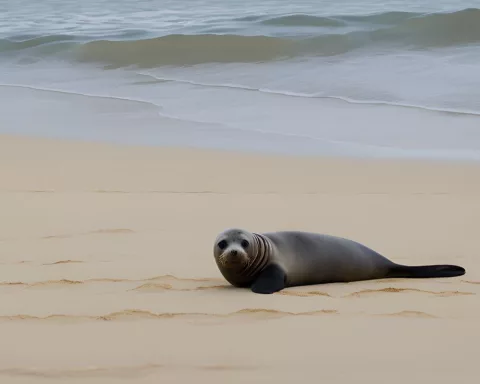
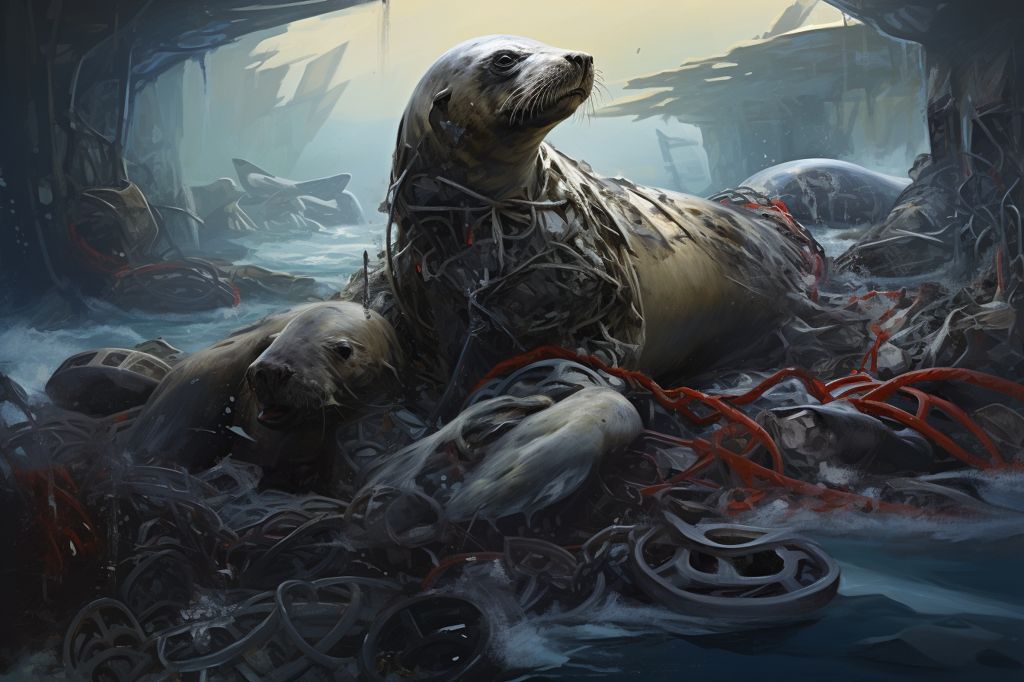
During a visit to West Coast National Park, James Suter, a private guide and filmmaker, and his brother-in-law, Guy Gafney, chanced upon a distressing sight. Three seals were ensnared in a fishing net, helpless and unable to escape. The empathetic pair didn’t hesitate, using a Leatherman tool to come to the seals’ aid. The video capturing their endeavor depicts them cautiously slicing through the net, freeing two of the trapped seals. Suter mentioned that a third seal was also saved, although this rescue was not recorded.
When sharing the video on social media, Suter encouraged viewers to watch until the end. The closing moments display the three liberated seals huddled together, appearing to console one another before returning to the ocean. This poignant scene highlights the urgency of taking action to battle plastic pollution.
The Importance of Ocean Conservation
With fervor for preserving our oceans, Suter remarked, “It was a very tangible reminder of how important it is to educate ourselves, clean up our beaches and work to ensure plastic and things like this are not in our oceans. There is so much plastic and other waste; I can’t imagine what animals go through.”
The disastrous consequences of plastic waste on marine ecosystems can no longer be overlooked. Annually, millions of tonnes of plastic debris enter the oceans, causing devastation to marine life, ecosystems, and the well-being of coastal communities. The ordeal of the seals at West Coast National Park offers a small glimpse into the impact of our unbridled consumption.
Taking Action Against Plastic Pollution
To tackle plastic pollution and safeguard our oceans, we must adopt a forward-thinking mindset. Contemplate integrating the following practices into everyday life:
-
Reduce, reuse, recycle: Limit the use of single-use plastics by choosing reusable alternatives and recycling when feasible.
-
Engage in beach cleanups: Join local beach cleanup efforts to eliminate plastic waste from coastal regions.
-
Support legislation: Promote policies that encourage responsible plastic use and disposal.
-
Educate ourselves: Research the effects of plastic waste on marine life and share this information with others.
The daring rescue by Suter and Gafney serves as a reminder that we each have a part to play in preserving our environment. Through personal endeavors and collaboration, we can strive to combat plastic waste in our oceans and protect the lives of marine creatures like the seals that won our hearts.
A Collective Effort for a Better World
Inspired by the actions of James Suter and Guy Gafney, let us work together to build a cleaner, healthier world for all living beings. United, we can make a difference in the fight against plastic pollution and contribute to the protection of our oceans’ biodiversity for future generations.