A Critical Look at Land Restitution in South Africa: The Case of District Six

1 min read
land restitution south africa Cape Town

The Issue of Land Restitution in South Africa

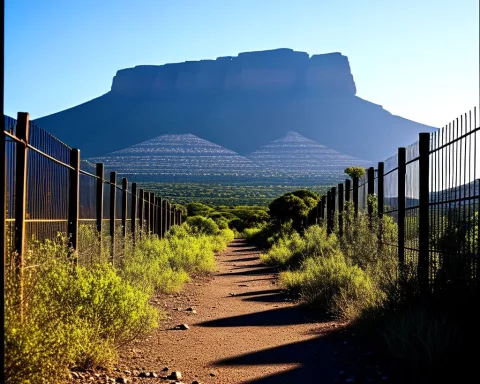
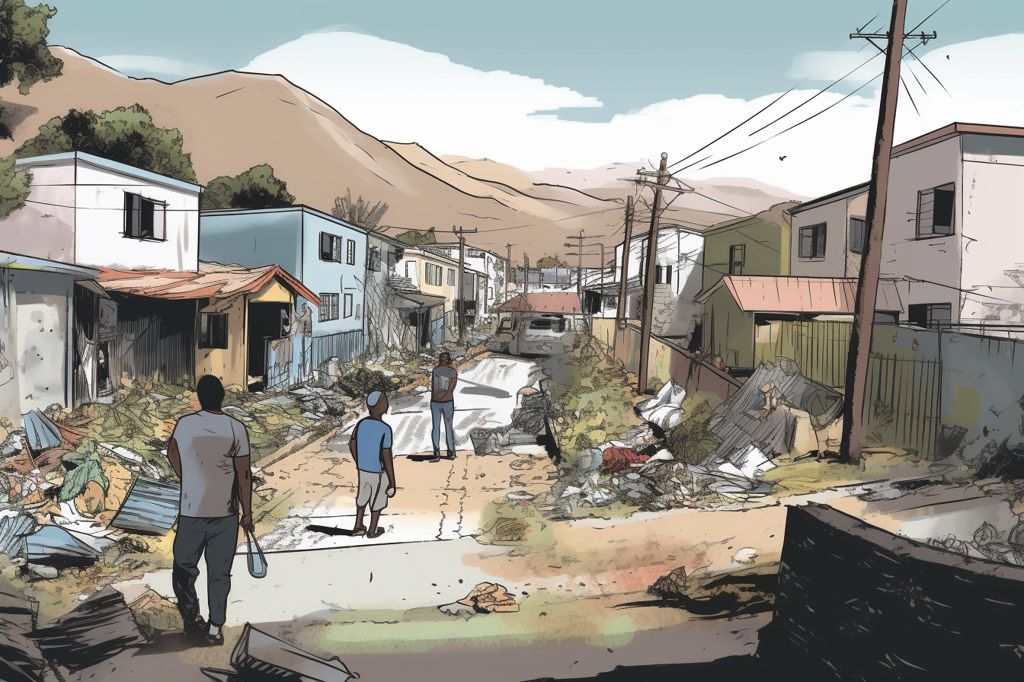
The contentious issue of land restitution in South Africa continues to be challenging, particularly in cases such as District Six in Cape Town. This once-thriving community was forcefully evacuated by the apartheid government in the 1960s and 1970s, leaving the land vacant for decades.

The Slow and Complicated Restitution Process

In 1994, after the end of apartheid, the government established a land restitution program to return the land to its rightful owners. However, the process has been slow and complicated, with many claimants still waiting for the return of their land more than 20 years later. The case of The Six, a sectional title scheme, exemplifies the challenges and frustrations experienced by many claimants.

Newsletter

Stay Informed • Cape Town

Get breaking news, events, and local stories delivered to your inbox daily. All the news that matters in under 5 minutes.

Join 10,000+ readers
No spam, unsubscribe anytime

A Recent Ruling by the Western Cape High Court

A recent ruling by the Western Cape High Court brings renewed attention to the issue of land restitution in South Africa. The legislation requires the City of Cape Town to take action to address criminal activity on the vacant land in District Six. The City is now tasked with obtaining an eviction order to remove illegal occupants and structures on the ground, and to clear the site of all criminal systems and debris. Furthermore, the City must take steps to decrease and remediate the nuisance on the site and ensure that the site is not used in a manner that contravenes any law or bylaw. The City has been given six months to comply with the court’s order and must conduct weekly inspections to ensure that no illegal occupation recurs.

Concerns Raised by the Ruling

While the ruling is a step in the right direction, it also raises concerns about the Land Claims Commission’s commitment to ensuring that successful claimants ultimately return to the place from which they were evicted by the apartheid government. The judge expressed concern about the delays experienced to date and the City’s alleged statement that the redistribution process will be completed in August 2024.

The Importance of an Efficient Land Restitution Program

Overall, the ruling highlights the urgent need for a more efficient and effective land restitution program in South Africa. It also emphasizes the importance of addressing criminal activity on vacant land to ensure the safety and well-being of surrounding communities.


Chloe de Kock is a Cape Town-born journalist who chronicles the city’s evolving food culture, from township braai joints to Constantia vineyards, for the Mail & Guardian and Eat Out. When she’s not interviewing grandmothers about secret bobotie recipes or tracking the impact of drought on winemakers, you’ll find her surfing the mellow breaks at Muizenberg—wetsuit zipped, notebook tucked into her backpack in case the next story floats by.

Leave a Reply

Your email address will not be published.

Previous Story

Avian Influenza Detected in Commercial Layer Farms

Next Story

South African Mining Houses Urged to Register Tailings Dams for Compliance with Dam Safety Regulations

Latest from Blog

A Teenager in a White Coat: How One Student Shattered South Africa’s Medical Age Record

{“summary”: “Imagine a whiz kid, David Obagbuwa, who started high school at 11 and became a doctor at just 21! He shattered South Africa’s medical age record, proving that a sharp mind and hard work can achieve amazing things. From classrooms in KwaZuluNatal to intense medical studies, David tackled every challenge. Even during lockdown, he quickly mastered his courses. Now, he’s ready to help people, showing that big dreams can come true, no matter how young you are.”}

Martian Dust, Carbon ankles & a R4-million Promise: Inside the 2026 Cape Epic’s Mobility Rebellion

Get ready for the 2026 Cape Epic, but this isn’t just any bike race! Three special teams, using amazing robotic legs and carbon ankles, will tackle the tough trails. They’re racing to raise R4 million to buy 200 new prosthetic limbs, 150 wheelchairs, and 50 sports blades for people in South Africa who need them. Every pedal stroke helps someone gain freedom and move again, showing that movement is for everyone, not just a few. This epic journey turns sweat into hope, changing lives one kilometer at a time.

Cape Town’s Shadow State: How Extortion Became the New Township Taxman

Cape Town has a big problem: bad guys are shaking down businesses and projects for money. They act like “taxmen” in townships, making building costs shoot up and forcing small shops to close. These criminals cause fear, stop important work, and even kill people who get in their way. It’s like a shadow government taking over, making life hard for everyone and costing the city tons of money. People are scared, and it’s unclear how this dangerous situation will ever truly end.

The Woman Who Taught Cape Town to Breathe Under Fire

Arlene Wehr taught Cape Town how to fight fires like a boss! She was one of the first women firefighters and totally changed the game. Arlene created cool new ways to find water, like “Operation Liquid Grid,” and made sure everyone had a chance to become a firefighter, even women. Because of her, Cape Town is safer, and the fire department is much more welcoming to all.

Morea House: Where the Atlantic Meets Art, Granite and Ghost-Nets

Morea House is Cape Town’s first fancy Marriott hotel, born from an old 1960s building. It shines with blushpink walls and art made from old fishing nets, making it feel truly special. This hotel is all about local beauty, from its design to its food, and even how it saves the planet. Imagine rooftop pools, unique spa experiences, and rooms where you wake up to amazing views. It’s a place where every detail tells a story of the ocean and the land, making your stay unforgettable.