The Welisizwe Rural Bridges Programme is a government initiative aiming to upgrade safety and well-being and promote economic growth in rural communities by constructing additional bridges. The launch event was attended by distinguished officials and locals and marked progress and hope for historically underrepresented communities across South Africa. The programme has already provided job opportunities and improved access to healthcare, schools, and workplaces. It stands as a symbol of the government’s commitment to bridge gaps and build a South Africa that future generations can take pride in.
What is the Welisizwe Rural Bridges Programme?
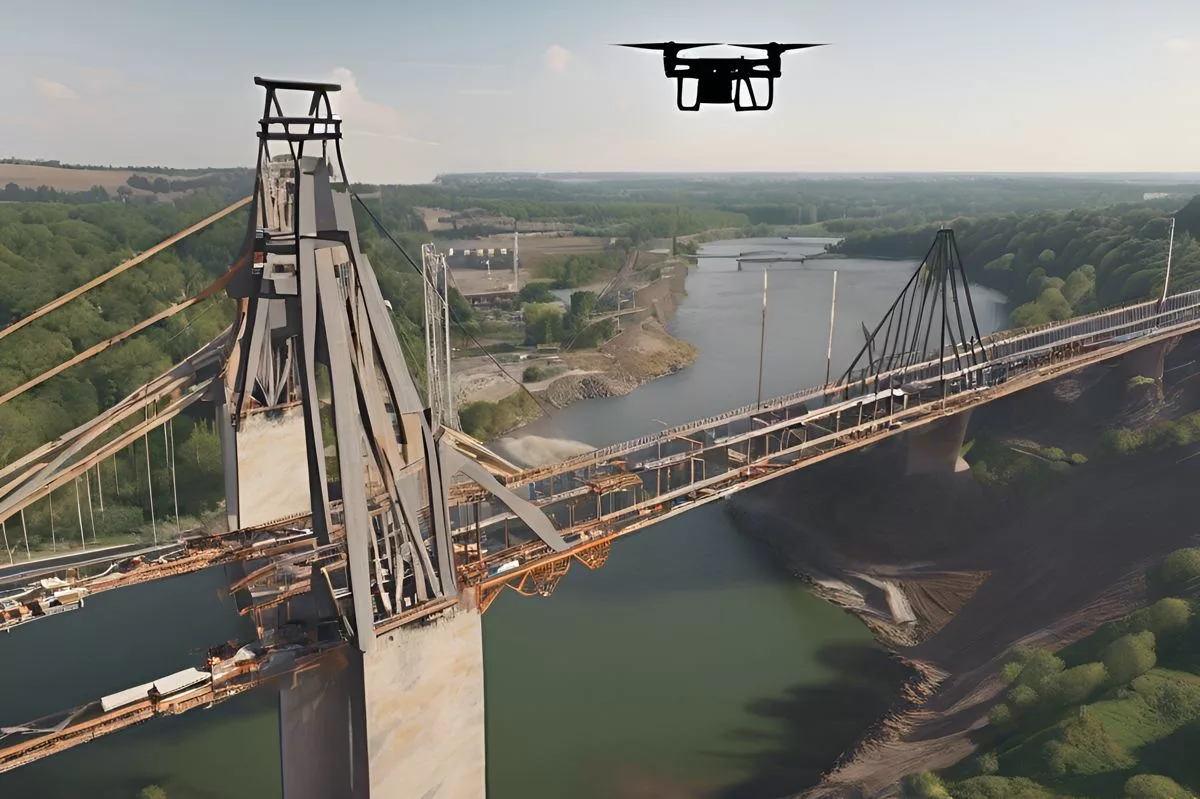
The Welisizwe Rural Bridges Programme is an initiative by the South African government to upgrade the safety and well-being of rural communities through the construction of additional bridges. The program aims to provide critical support for historically underrepresented communities, stimulate the local economy, create job opportunities, and strengthen local businesses. Presently, the construction of 58 rural bridges is underway across the nation, with 11 bridges already finished in KwaZulu-Natal.
An Event of National Significance
In the nucleus of South Africa, the Ngilanyoni Sports Field in Mkhambathini witnessed an event of exceptional significance that inspired hope and marked progress for the people of KwaZulu-Natal as well as many other rural communities throughout the nation. This event marked the commencement of the Welisizwe Rural Bridges Programme, delivering a powerful testament to the South African government’s unwavering commitment to its rural population.
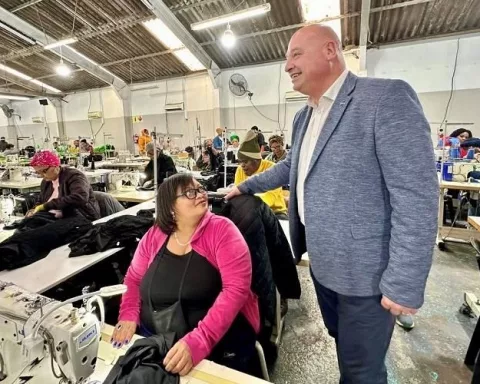
The opening ceremony featured distinguished personalities including the Premier of KwaZulu-Natal, Ms Nomsa Dube-Ncube, Minister of Public Works and Infrastructure, Mr Sihle Zikalala, and the Executive Mayor of the uMgungundlovu District Municipality, Cllr Mzi Zuma. However, the event was not merely a platform for high-profile officials, but a profound display of unity within the richly diverse South African society, represented by MPs, Councillors, the Chairperson of Provincial House of Traditional and Khoi-San Leaders, Inkosi RS Shinga, and the resilient spirit of the people of Mkhambathini and KwaZulu-Natal.
Milestone in South Africa’s Development
The beginning of the Welisizwe Rural Bridges Programme is a significant landmark in South Africa’s path towards progress. The initiative proposes to upgrade the safety, well-being and accessibility for rural communities, providing a critical support system for those who have been historically underrepresented. The necessity for this programme was underscored by the devastating floods that caused extensive damage in KwaZulu-Natal and sections of the Eastern Cape and North West in April 2022. This disaster destroyed homes, streets, stores, and essential infrastructure, leaving a deeply affected society to deal with the aftermath.
The rivers in various provinces, including KwaZulu-Natal, become hazardous to cross following heavy rain, endangering community members travelling to work or school. The growing frequency of extreme weather conditions due to climate change exacerbates these challenges, particularly for communities residing near riverbanks. Therefore, the building of additional Welisizwe rural bridges has emerged as a priority.
Objectives and Impact of the Programme
The goals of the programme extend beyond just safety provisions. It aims to stimulate the local economy by promoting mobility, creating job prospects, and strengthening local businesses. Presently, the construction of 58 rural bridges is underway across the nation, with 11 bridges already finished in KwaZulu-Natal.
The positive ramifications of the Welisizwe Rural Bridges Programme are already apparent. Affected communities can now easily access healthcare facilities, schools, workplaces, and markets. The programme has also provided job opportunities through the Expanded Public Works Programme, with several locals actively engaged in the building process.
Each bridge project employs engineers and artisans from the SANDF, who perform tasks ranging from welding to earth moving and soil retention. The programme has also encouraged skills development by hiring graduates in roles related to bridge assessment, project management, and maintenance.
Economic Repercussions and Vision for the Future
The advantages of this initiative stretch even further. The programme procures local elements from South African firms specialising in manufacturing and supplying steel-modular type bridges. Consequently, local suppliers have thrived through the provision of materials such as stones, cement, concrete, road sign paint, and personal protective equipment.
As South Africa celebrates its 30th freedom anniversary, the government continues to work passionately towards bridging the gaps among its people, gaps that were deeply entrenched by centuries of colonialism and decades of apartheid. The Welisizwe rural bridges stand as a symbol of this endeavour. They represent a departure from an era where infrastructure was constructed to benefit a privileged minority while disregarding the needs of the majority. The Welisizwe Rural Bridges Programme is a decisive step towards rectifying these historical disparities and addressing the profound issues of poverty and inequality that the nation grapples with today.
Recognising the substantial infrastructure deficit, the government encourages the private sector to invest in infrastructure development, especially in rural regions. These investments will promote improved conditions for economic growth. The government is also devoted to creating an environment that attracts investment and supports infrastructure-led growth to ensure inclusive progress.
The inauguration of the Welisizwe Rural Bridges Programme is a crystal-clear statement of shared responsibility to restore the dignity and aspirations of the people. It signifies a commitment to build bridges of progress, not to damage or incinerate them. It represents the nation’s collective endeavours to construct a South Africa that future generations can take pride in, where children can safely traverse flooded rivers to attend school, and where the elderly can access health facilities without hindrance.
Embodying the spirit of Masiwele isizwe sithuthuke and Masibambisane sibuyise isithunzi sabantu abahlala ezindaweni zasemakhaya, the Welisizwe Rural Bridges Programme stands as a beacon of hope, a symbol of unity, and a testament to the government’s dedication towards nation-building.
1. What is the Welisizwe Rural Bridges Programme?
The Welisizwe Rural Bridges Programme is a South African government initiative aimed at upgrading safety and well-being in rural communities by constructing additional bridges. The programme is designed to provide critical support for historically underrepresented communities, stimulate the local economy, create job opportunities, and strengthen local businesses.
2. What is the significance of the launch event of the Welisizwe Rural Bridges Programme?
The launch event of the Welisizwe Rural Bridges Programme was an event of national significance, marking a milestone in South Africa’s path towards progress. The event was attended by distinguished officials and locals and marked progress and hope for historically underrepresented communities across South Africa.
3. What are the goals and impact of the Welisizwe Rural Bridges Programme?
The Welisizwe Rural Bridges Programme aims to stimulate the local economy by promoting mobility, creating job prospects, and strengthening local businesses. The programme has already provided job opportunities and improved access to healthcare, schools, and workplaces. Presently, the construction of 58 rural bridges is underway across the nation, with 11 bridges already finished in KwaZulu-Natal.
4. What are the economic repercussions and vision for the future of the programme?
The Welisizwe Rural Bridges Programme procures local elements from South African firms, promoting the growth of local suppliers. The government encourages the private sector to invest in infrastructure development, especially in rural regions, to promote improved conditions for economic growth. The inauguration of the programme represents the nation’s collective endeavours to construct a South Africa that future generations can take pride in, where children can safely traverse flooded rivers to attend school, and where the elderly can access health facilities without hindrance.
5. What is the significance of the location of the launch event?
The launch event took place at the Ngilanyoni Sports Field in Mkhambathini, representing a profound display of unity within the richly diverse South African society. The event marked progress and hope for the people of KwaZulu-Natal as well as many other rural communities throughout the nation.
6. Why is the Welisizwe Rural Bridges Programme necessary?
The necessity for the programme was underscored by the devastating floods that caused extensive damage in KwaZulu-Natal and sections of the Eastern Cape and North West in April 2022. The rivers in various provinces become hazardous to cross following heavy rain, endangering community members travelling to work or school. The growing frequency of extreme weather conditions due to climate change exacerbates these challenges, particularly for communities residing near riverbanks. Therefore, the construction of additional rural bridges has emerged as a priority for the government.