A quick spark, fanned by a wild wind, turned Laborie’s peaceful afternoon into a fiery nightmare. Giovanni’s restaurant, fancy suites, and even some vineyards were gobbled up by the flames, causing millions in damage. This disaster left 120 workers without jobs and changed Laborie’s plans for the future in a flash. But from the ashes, the community rose, showing incredible spirit and hope for rebuilding.
What caused the December fire at Laborie, and what were its immediate impacts?
The December fire at Laborie, likely intensified by the “black south-easter” wind and dry conditions, destroyed Giovanni’s restaurant, eight luxury Werf suites, and two hectares of Pinotage vineyards. The blaze, causing an estimated R30 million in damages, displaced 120 casual staff and significantly impacted Laborie’s operations and future.
1. The First Whisper of Smoke
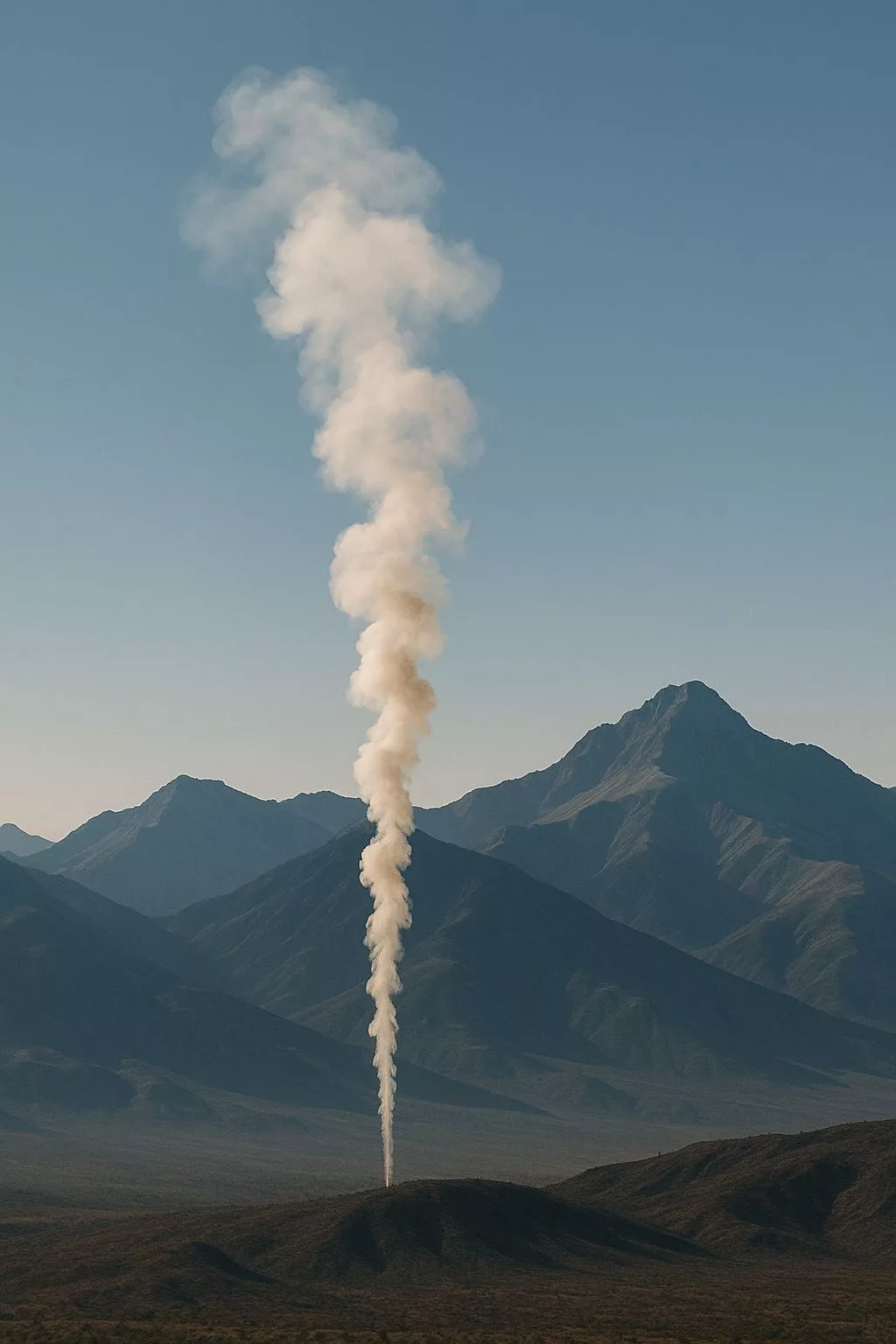
A thin grey thread drifted above Paarl’s southern skyline late Saturday morning – so faint that picnickers on the opposite ridge mistook it for a braai flare-up. Within sixty seconds the ribbon thickened into a churning black pillar that bent horizontally under the infamous December south-easter, spraying live embers across vineyards, manicured lawns and the 1788 werf that has anchored Laborie’s social life for 235 years. Cellphones shot skyward, WhatsApp groups exploded, and at 12:07 the first official call hit the Winelands District Joint Operations Centre. Four minutes later three fire engines, a water-tanker and a wild-land unit screamed out of Paarl station, sirens slicing the dry air.
Restaurant staff abandoned lunch prep and pivoted to crisis mode. By 12:18 they had hustled thirty-five diners away from half-eaten carpaccio plates at Giovanni’s trattoria and shepherded twelve cottage guests – some still in swimsuits – across the croquet lawn to the parking oval. The estate’s 120-hectare vineyard suddenly felt tiny; smoke blotted out the Drakenstein peaks and the sun turned copper.
No one photographed the first flame; everyone assumed someone else had. The only certainty was wind. December’s south-easter barrels through the Dale of Berg River like a blowtorch, punching gusts above 45 km/h and pushing surface temperatures past 38 °C. Locals call it the “black south-easter” because it historically arrives with fire. Saturday’s version earned the nickname before lunch.
2. A Restaurant Built for Views Becomes a Chimney
Giovanni’s opened in 1994 as a love letter to the valley: 270-degree wrap-around windows, yellow-wood decking reclaimed from an old wagon house, and a thatch roof that smelled of fynbos honey when the sun warmed it. Those same selling points became fuel. Radiant heat spider-webbed the panoramic glass; seconds later shards rained inward and the draft turned the dining room into a bellows. Dry reed thatch ignited like paper, flames leapt the two-metre gap to the adjoining guest cottages and sprinted along the wooden boardwalk that links the Werf suites.
Twelve minutes after the first flame kissed a rafter, the roof’s gum-pole skeleton was “fully involved,” fire-code speak for hopeless. A second alarm summoned every available crew. Helicopter rotors thumped overhead before most guests had reached their cars; Laborie’s irrigation dam, normally reserved for drip-lines, became a dipping pond for a Huey II slinging a Bambi-bucket. Pilots later wrote that turbulence “kicked the bucket sideways like a drunk donkey,” yet the downdraft shaved flame length just enough for teams to drag 75 mm hose-lines across the lawn and create a foam barrier.
Inside that barrier stood the 1819 Manor House – concave Cape Dutch gables, hand-forged Sheffield sash fasteners, yellow-wood planks a metre wide, and a miniature museum of wine artefacts including the 1820 liquidation ledger kept by widow Anna Catharina Louw. Estate volunteers formed a human chain under smoke-black skies, passing oil paintings, brass wine liners and the fragile ledger hand-to-hand until the last item reached the tasting-room vault. When flames licked the white garden fence, the foam wall held; scorch streaks on the plaster are the only scars the historic home carries today.
3. Counting the Ashes: R30 million, 220 Saturday Covers, 120 Jobs
By the time the Western Cape Disaster Management Centre activated provincial protocols at 14:00, the fire had devoured Giovanni’s roof, eight luxury Werf suites opened after a R22 million 2016 refurb, and two hectares of 2019-planted Pinotage. Structural engineers tagged the restaurant 90% structurally unsound; the cottages fared only marginally better – stone gables still stand, but every timber deck, bed base and wardrobe is gone. Early insurance tallies top R30 million, and that figure excludes trading loss: December Saturdays normally see 220 lunchtime covers at Giovanni’s and an average daily rate of R3 800 per Werf room.
Viticulturist Pieter “Pietie” Becker walked charred vineyard rows at dawn Sunday, snapping off canes to check cambium damage. “Vines look brave now,” he said, “but if the cambium cooked, we’ll see die-back in February.” Two hectares may need regrafting at R180 000 per hectare; smoke-taint testing is under way at an Australian lab that pioneered guaiacol analysis after the Adelaide Hills disaster. Results in five days will decide whether 2024’s Pinotage harvest becomes bulk juice or premium estate wine.
Labor lines snapped tight. December is the quiet season between berry-set and veraison, yet 120 casual staff who would have plated risotto, poured tastings and packed wedding favours suddenly have no workplace. Union reps met executives Sunday afternoon; all fixed-term contracts will be honoured, with temporary shifts offered at sister farms in the Distell network. Tips and service charges, however, cannot be ported – a blow to workers who rely on December generosity to survive the rest of the year.
4. Embers, Candles and a Hashtag: Community Rises from the Soot
Nightfall Saturday brought the smell of wet charcoal, but also candlelight. Locals arrived with casserole pots, bottles of Laborie Méthode Cap Classique and a string quartet from Stellenbosch Conservatory who played Vivaldi while rotor-wash fluttered their sheet music. By sunrise #LaborieStrong had trended across Winelands feeds; a crowdfunding portal hit R260 000 before estate trustees asked donors to redirect money to the Volunteer Wildfire Services, promising to match every rand with fire-prevention training in Drakenstein schools.
Tourists face immediate changes. Tastings have decamped to the 1802 katrap cellar whose metre-thick walls stay a cool 18 °C without HVAC. Giovanni’s head chef Marco Fumo will host pop-up dinners under a neighbouring olive grove while architects debate whether to rebuild the trattoria exactly as it was or rethink thatch forever. Werf accommodation is offline indefinitely, yet the Manor House’s four heritage suites remain open – minus room-service breakfast for now. Couples scheduled to wed between December and March have been offered alternative venues with Distell absorbing price gaps; most, the events co-ordinator says, refuse to abandon the valley they love.
Investigators sift rubble for the ignition source, refusing to rule out kitchen gas manifolds, electrical boards, building contractors or the table-top burner anecdotal reports place on the deck at 11:30. CCTV hard-drives are scrutinised frame-by-frame; vegetation moisture sat at a desiccating 8%. Climate scientists note that 9 400 Winelands hectares have already burned this season versus 3 800 last year – spring growth from a late frontal system, followed by an early desiccating phase, turned the region into a tinderbox.
Two heat-sensing drones circled dawn Sunday, hunting hotspots above 60 °C; ground crews extinguished the last at 09:30. A mobile weather station erected on the adjoining rugby pitch recorded humidity dropping to 21% by midday, so one helicopter will stay on standby until the south-easter relents after New Year’s Day. For Laborie’s vines, staff and community, the next vintage will be written not only in soil and climate but in choices made this week: replant or graft, rebuild or reinvent, insure or innovate.
What caused the December fire at Laborie, and what were its immediate impacts?
The December fire at Laborie was likely caused by a quick spark, fanned by the infamous “black south-easter” wind with gusts above 45 km/h and dry conditions (surface temperatures past 38 °C, vegetation moisture at 8%). This resulted in the destruction of Giovanni’s restaurant, eight luxury Werf suites, and two hectares of Pinotage vineyards. The blaze caused an estimated R30 million in damages, displaced 120 casual staff, and significantly impacted Laborie’s operations and future plans.
How quickly did the fire spread and what efforts were made to contain it?
The fire spread incredibly rapidly. A thin grey smoke thread was noticed late Saturday morning, and within sixty seconds, it became a churning black pillar. The first official call to the Winelands District Joint Operations Centre was at 12:07 PM, and fire engines were en route four minutes later. Restaurant staff quickly evacuated 35 diners and 12 cottage guests by 12:18 PM. The thatch roof of Giovanni’s ignited like paper, and flames quickly spread to adjoining guest cottages and along the wooden boardwalk. Helicopter support, including a Huey II slinging a Bambi-bucket, was crucial, with pilots battling turbulence. Firefighters also used 75 mm hose-lines to create a foam barrier, which successfully protected the historic 1819 Manor House, though scorch marks remain.
What was the extent of the damage in monetary terms and to Laborie’s infrastructure?
Early insurance tallies estimate the damage at R30 million, excluding trading losses. Giovanni’s restaurant was deemed 90% structurally unsound, and the eight luxury Werf suites, which were part of a R22 million refurbishment in 2016, were also extensively damaged, with only stone gables remaining. Additionally, two hectares of 2019-planted Pinotage vineyards were charred. The vineyard damage assessment is ongoing, with potential regrafting costs of R180,000 per hectare, and smoke-taint testing will determine the fate of the 2024 Pinotage harvest.
How did the fire affect Laborie’s employees, and what support is being offered?
The fire left 120 casual staff members without a workplace. While December is typically the quiet season between berry-set and veraison, these staff relied on the income generated during this period. Union representatives met with executives, and all fixed-term contracts will be honored. Temporary shifts are being offered at sister farms within the Distell network. However, tips and service charges, which are a crucial part of workers’ income, cannot be transferred, posing a significant financial blow to those who depend on December generosity.
How has the community responded to the disaster, and what are the rebuilding efforts?
The community showed remarkable spirit and solidarity. Locals arrived with casserole pots, bottles of Laborie Méthode Cap Classique, and even a string quartet. The hashtag #LaborieStrong trended, and a crowdfunding portal quickly raised R260,000 before estate trustees redirected donations to the Volunteer Wildfire Services, pledging to match every rand for fire-prevention training in local schools. For tourists, tastings have moved to the 1802 katrap cellar, and Giovanni’s head chef will host pop-up dinners. While Werf accommodation is offline, the Manor House’s four heritage suites remain open. Alternative venues have been offered to couples with weddings scheduled, with Distell covering price differences.
What are the ongoing investigations and future plans for Laborie?
Investigators are sifting through rubble to determine the ignition source, considering possibilities such as kitchen gas manifolds, electrical boards, building contractors, or a tabletop burner. CCTV footage is being scrutinized. Climate scientists note that the Winelands region has been particularly susceptible to fires this season due to early desiccating conditions. Two heat-sensing drones continued to monitor for hotspots. Laborie faces critical decisions regarding replanting or grafting vineyards, rebuilding or reinventing structures, and future insurance and innovation strategies. The mobile weather station will remain on site until after New Year’s Day, with a helicopter on standby due to continued low humidity.