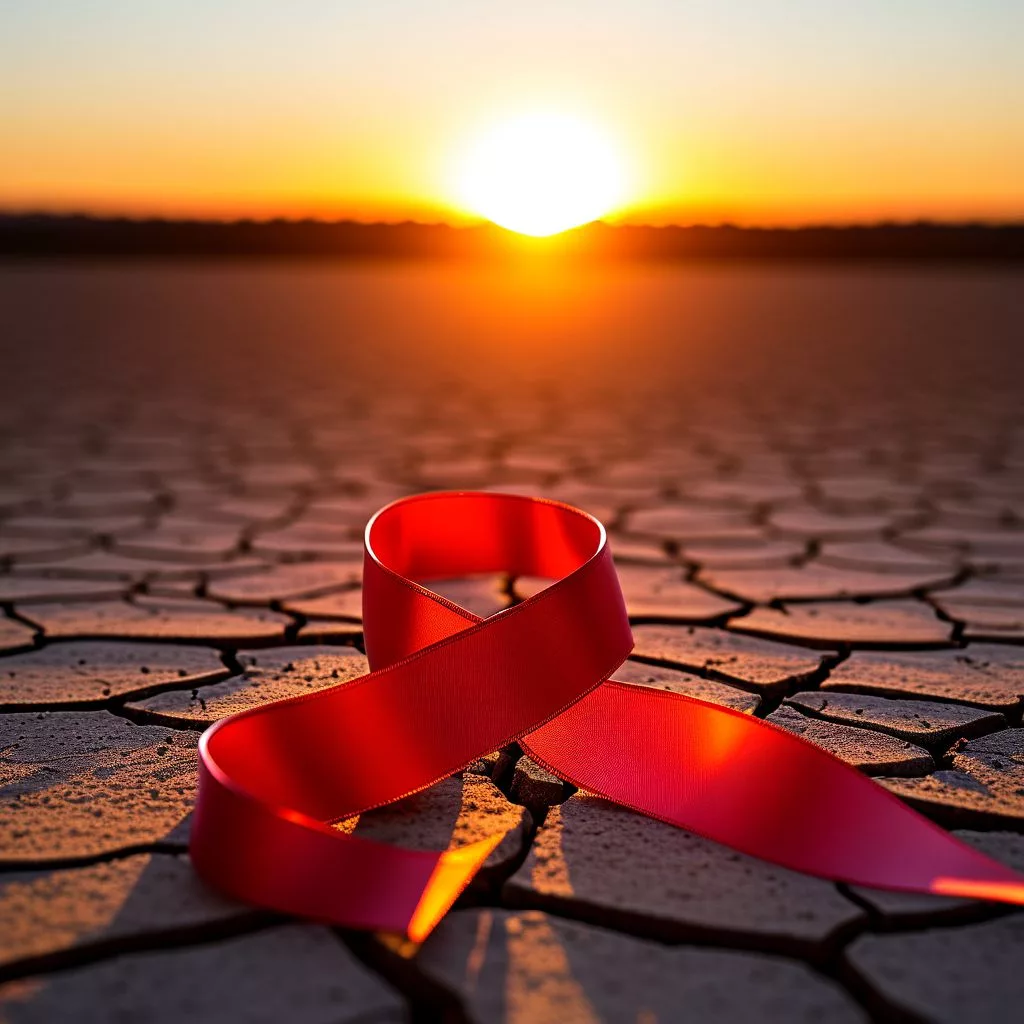
South Africa’s fight against HIV faces a tough new challenge after international aid, especially from the US, was suddenly pulled back. This caused many clinics to close and thousands of health workers to lose jobs, leaving vulnerable people without the care they urgently need. Communities and local groups are stepping up, trying to fill the gap with their own efforts, but the road ahead is hard. The country now must find lasting solutions that don’t rely on outside help, holding on to hope and the spirit of togetherness.
What is the impact of international aid withdrawal on South Africa’s HIV response?
The withdrawal of international aid, especially from the US, led to the closure of 40 HIV projects in South Africa, displacing 8,000 healthcare workers and reducing essential services like testing and treatment. This threatens vulnerable groups and pressures local health systems, prompting urgent calls for sustainable, locally driven solutions.
The Legacy of International Support
South Africa has long served as a focal point in the global movement to combat HIV, forging a history of both adversity and perseverance. Since the early 2000s, international donors have been instrumental in shaping the country’s public health landscape, intertwining their contributions with local initiatives to address the world’s most severe HIV epidemic. The United States, through the President’s Emergency Plan for AIDS Relief (PEPFAR), played an especially prominent role, launching a sweeping effort in 2003 that brought hope to millions. Clinics funded by PEPFAR sprang up across urban and rural regions alike, providing treatment, counseling, and education in places where little existed before.
Over time, these investments became part of daily life. Community health workers, trained and supported by donor funds, bridged the gap between clinics and neighborhoods, while outreach programs educated families about prevention and care. Posters promoting safe behaviors could be found in townships from Gauteng to KwaZulu-Natal, serving as quiet reminders of a shared global mission. The sense of solidarity extended beyond medicine, enlisting artists and activists to raise awareness and reduce stigma surrounding HIV.
This era of robust support shaped not only healthcare delivery but also community trust in public systems. Lives improved, and mortality rates fell. However, the reliance on international aid also left local infrastructure vulnerable, setting the stage for a profound crisis when the winds shifted.
The Abrupt End of an Era
In February 2025, an unexpected policy shift from the United States sent shockwaves through South Africa’s health sector. Citing changing national priorities, the US government withdrew over 90% of its USAID contracts on a global scale, including those essential to South Africa’s HIV programs. This decision triggered an immediate, sweeping disruption: 40 critical projects shuttered almost overnight, displacing more than 8,000 healthcare professionals—many of whom had become trusted figures within their communities.
Within days, the aftereffects became painfully visible. Once-busy clinics sat eerily silent, their exam rooms locked and waiting areas abandoned. Faded posters on the walls told stories of outreach that had ceased, while files full of patient histories became relics of an interrupted struggle. In Johannesburg’s city center, the loss of USAID counselors and testers forced HIV screening programs to a virtual standstill. Community activists who once moved with purpose through local streets found themselves sidelined, their roles evaporated without warning.
These closures did not just inconvenience patients—they threatened lives. Essential services for some of the country’s most at-risk groups ceased abruptly. Pregnant women, newborns, and adolescents, for whom early testing and continuous treatment can mean the difference between health and decline, now faced new barriers. Reports from affected areas documented drops of up to 21% in vital testing rates for these populations, underscoring the magnitude of the setback.
The Human Toll and Community Response
The loss of services struck children particularly hard. In the Western Cape, the disbandment of the NACOSA initiative left approximately 26,000 children without access to antiretroviral treatment or psychological support. Many of these young people are orphans, whose needs extend beyond medication to include a sense of belonging and emotional security. For them, the closing of these programs signaled not merely a lapse in medical care, but a rupture in the social fabric that had helped them cope.
On the front lines, the disruption reverberated through every aspect of daily life. Health professionals who lost their positions spoke of anguish and uncertainty, knowing that the absence of care could allow HIV to resurge in vulnerable communities. Families, newly cut off from local clinics, faced longer journeys to overburdened public facilities, with some fearing that missed appointments might lead to fatal interruptions in treatment. In Soweto, a former outreach counselor described her struggle to find new work, haunted by the possibility that her absence could allow preventable infections to go undiagnosed.
South Africa’s Department of Health scrambled to respond. Officials convened emergency meetings with local organizations and urged those affected to seek care at government clinics. Yet this solution did little to alleviate the pressure on an already stretched system. Waiting rooms overflowed, and remaining staff found themselves overwhelmed by the sudden influx of patients. Nurses juggled urgent cases while trying to maintain basic standards of care, all under the shadow of limited resources.
The Search for Sustainability and Local Solutions
Confronted with a crisis, civil society and international agencies began exploring new approaches to fill the funding void. UNAIDS, recognizing the urgency, called for the creation of a South African Solidarity Fund against HIV, a mechanism aimed at mobilizing greater involvement from the private sector. At present, commercial contributions make up only a scant 2% of the nation’s HIV response. Even modest increases in private investment could help close the estimated 17% funding gap left in the wake of the US withdrawal.
This strategy draws inspiration from history. In earlier decades, when state institutions fell short, ordinary citizens, artists, and activists spearheaded efforts to raise awareness and marshal resources. Visual artists such as Keith Haring and collectives like ACT UP in the United States demonstrated the power of creative activism in changing public attitudes and influencing policy. South Africa’s own tradition of community-driven mutual aid, forged during the years of apartheid, offers a blueprint for building resilience from the ground up.
The challenge ahead, however, is formidable. South Africa faces daunting economic constraints, with high unemployment and persistent inequality limiting the pool of available funding. Redirecting resources to shore up the HIV response risks diverting attention and money from other critical sectors such as education, infrastructure, and food security. Policymakers must make hard choices, balancing immediate health needs with broader development goals.
Nevertheless, the spirit of ubuntu—the philosophy of collective humanity—remains vivid in communities across the country. Informal support networks, often led by women, are rebuilding ties where official programs have faltered. Grassroots organizations marshal local donations, coordinate care for the sick, and advocate for renewed investment. Meanwhile, poets, musicians, and visual artists use their work to keep the crisis in public view, honoring the memory of those lost while urging renewed action.
Rethinking the Ethics of Aid and the Road Forward
The sudden drawdown of PEPFAR support has reignited debate about the ethics and sustainability of global health interventions. Without adequate planning for local ownership, the collapse of donor-dependent programs exposes deep vulnerabilities in national systems. The philosopher Amartya Sen has argued that real development is about building enduring freedoms, not just providing temporary relief. South Africa’s current predicament echoes this insight, highlighting the need for structures that can survive beyond the ebb and flow of international funding.
The relationship between South Africa and its international partners has always been complex—marked by gratitude for life-saving support, but also by dependence and uncertainty. Past campaigns for HIV justice demanded both increased resources and greater South African agency in designing solutions. With the latest crisis, these demands have gained new urgency.
Despite immense challenges, the country’s response to HIV continues to draw on reserves of courage, ingenuity, and solidarity. Across neighborhoods and clinics, people share knowledge, volunteer their time, and support each other in times of hardship. Even as the scale of international support recedes, the determination of South Africans to find their own solutions remains undiminished. In this collective struggle, the lessons of history—blending activism, art, and mutual aid—continue to illuminate the path ahead.
FAQ: South Africa’s HIV Response After International Aid Withdrawal
1. What caused the disruption in South Africa’s HIV programs recently?
In February 2025, the United States abruptly withdrew over 90% of its USAID contracts globally, including critical funding for South Africa’s HIV response. This sudden policy shift led to the closure of 40 HIV projects and displaced over 8,000 healthcare workers. The withdrawal disrupted essential services such as testing, counseling, and treatment, leaving vulnerable populations without reliable care.
2. How has the aid withdrawal affected vulnerable groups and communities?
Vulnerable populations—including pregnant women, newborns, adolescents, and children living with HIV—have been hit hardest. Testing rates dropped by up to 21% in some areas, and programs like NACOSA in the Western Cape stopped serving approximately 26,000 children who depended on antiretroviral treatment and psychological support. The closures also strained public health facilities, leading to longer wait times and risking treatment interruptions that could have life-threatening consequences.
3. What role did international aid, especially from the United States, play in South Africa’s HIV fight?
Since the early 2000s, international aid, particularly from the US via PEPFAR (President’s Emergency Plan for AIDS Relief), was pivotal in expanding access to HIV testing, treatment, and community outreach. These funds helped establish clinics, train health workers, and reduce stigma through education and advocacy. This support improved mortality rates and built trust within communities, but also made the health system heavily reliant on external funding.
4. How are South African communities and organizations responding to the crisis?
Local communities, civil society groups, and grassroots organizations are stepping up to fill service gaps through mutual aid, local fundraising, and volunteer efforts. Women-led informal support networks coordinate care and advocate for renewed investment. Additionally, artists and activists use creative expression to raise awareness and maintain public attention on the HIV epidemic. The spirit of ubuntu—collective humanity—is inspiring these community-driven responses.
5. What solutions are being proposed to ensure a sustainable HIV response in South Africa?
Experts and organizations like UNAIDS are calling for increased involvement from the private sector through initiatives like the proposed South African Solidarity Fund against HIV. Currently, commercial contributions make up only about 2% of HIV funding, and even modest private investments could help close the estimated 17% funding gap left by the US withdrawal. Policymakers are challenged to balance HIV funding with other national priorities, aiming for solutions that build local ownership and resilience beyond donor dependency.
6. What lessons can be learned about international aid and health program sustainability?
South Africa’s current crisis highlights the risks of overdependence on international aid without adequate planning for local control. Sustainable development, as philosopher Amartya Sen emphasizes, involves building lasting freedoms and systems rather than temporary relief. The experience underscores the need for global health programs to prioritize strengthening national infrastructure and community empowerment to survive funding fluctuations, ensuring continuous care for those in need.
If you’d like to learn more about South Africa’s HIV response or how to support local initiatives, please visit trusted resources such as UNAIDS and PEPFAR websites.