
South Africa has a new public holiday, 15 December, which represents hope and unity. President Cyril Ramaphosa recognized the people’s desire for a day of relief, while also emphasizing the need to prioritize matric exams. The holiday symbolizes a day when the nation can come together in celebration and contemplation, dedicated to constructing a better South Africa. In his speech, President Ramaphosa also emphasized the remarkable ability of sports to unite people, and highlighted urgent issues such as corruption, infrastructure, and economic growth. This day serves as a powerful symbol of hope and unity for South Africa.
What is the significance of 15 December in South Africa?
15 December is a new public holiday in South Africa that symbolizes unity and hope. It represents a day when the nation can come together in celebration, contemplation, and a renewed dedication to constructing a better South Africa. President Cyril Ramaphosa recognized the people’s yearning for an extra day of relief, particularly considering the recent difficulties, while also emphasizing the necessity to prioritize matric exams.
On a Monday evening, excitement permeated the air as South Africans congregated to listen to President Cyril Ramaphosa’s speech. Holding their breath, they intently heard the President announce 15 December as a new public holiday, symbolizing unity and hope. As the country has faced numerous obstacles in recent times, this novel holiday emerges as a guiding light, leading the nation towards a brighter tomorrow.
The Importance of 15 December
The newly established public holiday signifies more than just a break from work. President Ramaphosa highlighted its symbolic nature, representing a day when the nation can come together in celebration, contemplation, and a renewed dedication to constructing a better South Africa. The President recognized the people’s yearning for an extra day of relief, particularly considering the recent difficulties. However, he also emphasized the necessity to prioritize matric exams, demonstrating his commitment to the future leaders of the nation.
Sports as a Unifying Force
In his speech, President Ramaphosa expressed his excitement for the Springboks’ comeback, vowing to personally welcome the victorious team at the Union Buildings. Encouraging the nation to support the Proteas, he stressed the remarkable ability of sports to unite South Africans. This feeling deeply resonates, as the country’s recent athletic triumphs serve as a testament to the unyielding spirit of its people.
Economic Growth and Infrastructure
The President’s address also covered urgent issues such as corruption, local government, and infrastructure. He reassured the nation that reforms aimed at boosting economic growth and stabilizing national debt were in progress. Through the implementation of new laws, institutions, and practices, the government plans to effectively fight corruption, with noticeable progress already evident.
Energy security has been a central focus, demonstrated by the decrease in loadshedding intensity in recent months. President Ramaphosa expressed faith in the nation’s ability to tackle this problem and enhance energy stability.
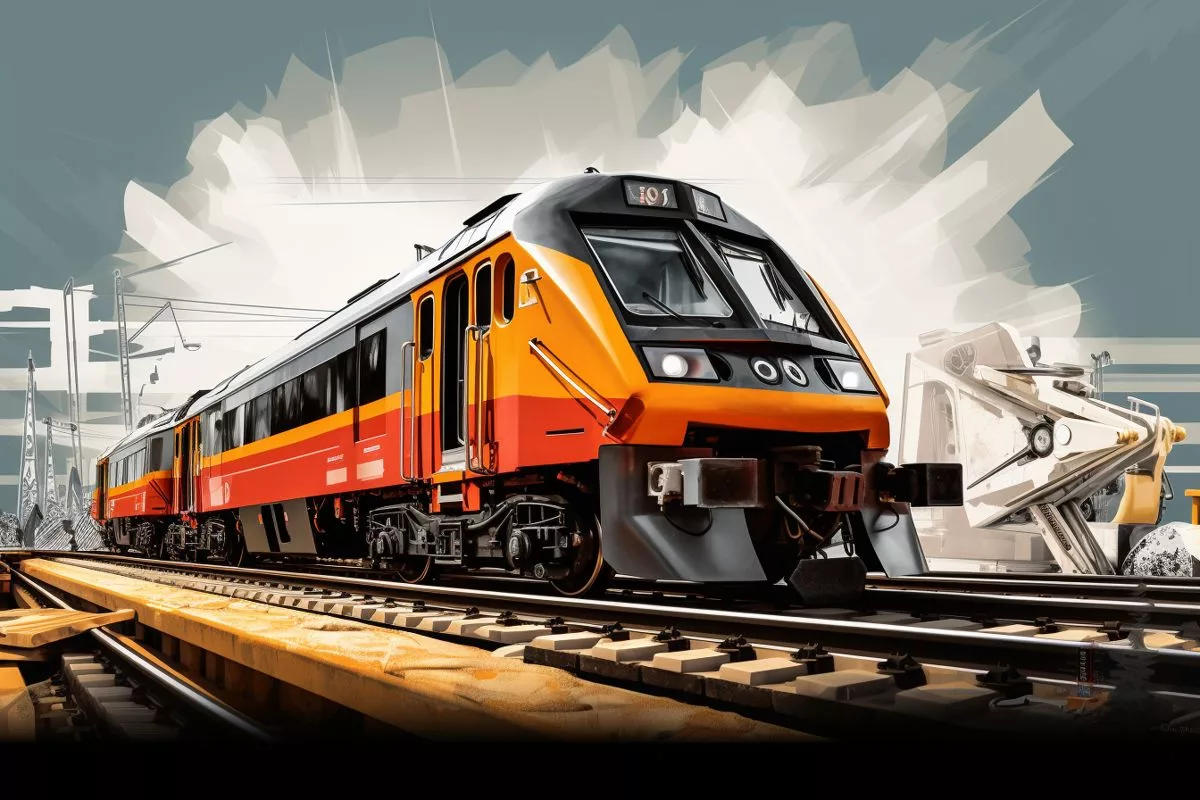
Significant investments are planned for water infrastructure, including upgrades for water treatment facilities and pumping stations. This promises to improve access to clean water for all South Africans. The President also acknowledged the rejuvenation of commuter rail operations, which will lower transportation costs for numerous citizens. An investment of R50 billion is set aside for upgrading the passenger rail network.
Additionally, President Ramaphosa highlighted major infrastructure projects currently underway. These endeavors have created employment opportunities and laid the foundation for future growth and development.
The Strength of Unity
As President Ramaphosa concluded his speech, he drew comparisons between the nation’s recent athletic victories and the ongoing journey towards economic recovery. He stressed that, as a united populace, South Africans have displayed remarkable resilience, determination, and unwavering dedication to advancement.
15 December, now enshrined as a public holiday, serves as a powerful symbol of hope and unity for South Africa. It is a day when the nation unites, celebrating its accomplishments, reflecting on its difficulties, and reaffirming its commitment to a brighter future. With a revitalized sense of purpose, South Africans can anticipate continued progress, fueled by their unity and steadfast spirit.
1. What is the significance of 15 December in South Africa?
15 December is a new public holiday in South Africa that symbolizes unity and hope. It represents a day when the nation can come together in celebration, contemplation, and a renewed dedication to constructing a better South Africa.
2. Why was 15 December chosen as the new public holiday?
President Cyril Ramaphosa recognized the people’s yearning for an extra day of relief, particularly considering the recent difficulties, while also emphasizing the necessity to prioritize matric exams. The holiday serves as a powerful symbol of hope and unity for South Africa.
3. What does the public holiday signify?
The newly established public holiday signifies more than just a break from work. It symbolizes a day when the nation can come together in celebration, contemplation, and a renewed dedication to constructing a better South Africa.
4. What is the role of sports in South Africa’s unity?
In his speech, President Ramaphosa stressed the remarkable ability of sports to unite South Africans. He expressed his excitement for the Springboks’ comeback, vowing to personally welcome the victorious team at the Union Buildings. Encouraging the nation to support the Proteas, he highlighted the unifying power of sports.
5. What urgent issues were addressed in President Ramaphosa’s speech?
President Ramaphosa’s address covered urgent issues such as corruption, local government, and infrastructure. He reassured the nation that reforms aimed at boosting economic growth and stabilizing national debt were in progress. Through the implementation of new laws, institutions, and practices, the government plans to effectively fight corruption.
6. What is the plan to improve infrastructure in South Africa?
Significant investments are planned for water infrastructure, including upgrades for water treatment facilities and pumping stations. An investment of R50 billion is set aside for upgrading the passenger rail network, and major infrastructure projects are currently underway.
7. What is the significance of unity in South Africa?
As President Ramaphosa concluded his speech, he stressed that, as a united populace, South Africans have displayed remarkable resilience, determination, and unwavering dedication to advancement. The strength of unity is paramount to the country’s progress and growth.
8. What is the importance of prioritizing matric exams during the new public holiday?
President Ramaphosa emphasized the necessity to prioritize matric exams during the new public holiday, demonstrating his commitment to the future leaders of the nation. Education is crucial to the country’s development, and prioritizing matric exams ensures that students have the opportunity to succeed in their academic pursuits.