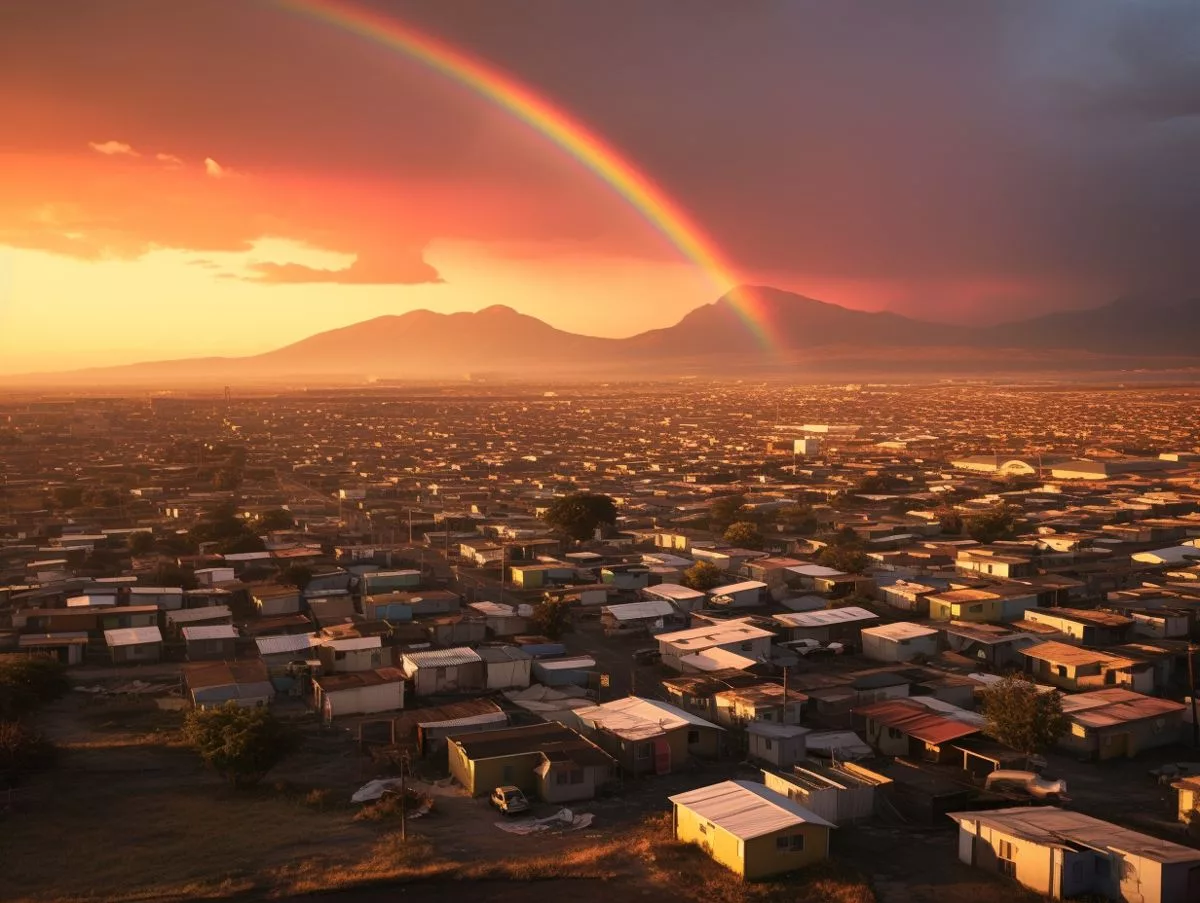
Explore the rich tapestry of South Africa through the lens of a camera, capturing the country’s cultural essence, challenges, and victories. From tales of triumphs and trials to celebrations and protests, the camera lens offers snapshots of the country’s existence, showcasing the resilience of its people, the vibrancy of its culture, and the challenges it continues to face. Through captivating images, discover the everyday struggles and triumphs of South African life amidst extraordinary events and natural disasters.
A Glimpse into South Africa’s Tapestry: A Captivating Visual Journey
Discover the captivating narrative of South Africa through the lens of a camera, capturing the country’s cultural essence, challenges, and victories. From tales of triumphs and trials to celebrations and protests, the camera lens offers snapshots of the country’s existence, showcasing the resilience of its people, the vibrancy of its culture, and the challenges it continues to face.
A Tale of Triumphs and Trials
As the year 2021 washed over South Africa, the nation palpitated to the rhythm of life, ceaselessly reverberating tales of victory, hardship, and resilience. These pulsating narratives, captured through the unblinking lens of a camera, pieced together a vibrant illustration of the country’s existence, providing snapshots of its cultural essence, its challenges, and its victories.
A narrative that unfolded with the thrills of a suspense-filled drama was the story of Thabo Bester, a man thought to be dead in a prison fire, but who was caught on camera shopping in Sandton, Johannesburg. The infamous Facebook rapist had actually escaped from prison, unbeknownst to law enforcement. This startling revelation that emerged from the photograph led to his eventual re-arrest in Tanzania and earned commendations for GroundUp reporters Marecia Damons and Daniel Steyn, who received the prestigious Nat Nakasa and Vodacom Journalist of the Year awards.
Celebrations and Protests: A Tale of Two South Africas
Another enthralling snapshot featured Springbok rugby captain Siya Kolisi, bathed in the radiance of his team’s World Cup victory. The image, taken outside the City Hall in Cape Town, showed Kolisi taking a selfie with adoring fans – a symbolic representation of the underlying spirit of South African sports, one of unity forged in victory.
In stark contrast to the jubilant scene was an image depicting the grim reality of South Africa’s sanitation crisis. This picture showed protesting residents of Govan Mbeki village in Gqeberha discarding buckets of waste on Uitenhage Road. Captured by the late Mkhuseli Sizani, a former GroundUp staff reporter, the picture was a striking reminder of the dire public health conditions in their community.
The lens did not only capture domestic turbulence but also echoed international unrest. A striking example was the massive march through Cape Town’s city center. Tens of thousands demanded an end to the conflict in the Gaza Strip, a protest that erupted a month after Hamas militias breached Israel’s borders, triggering a catastrophic counter-strike from Israel that claimed nearly 17,000 lives.
The Resilience of South Africans Against Natural Calamities
In the swirl of these conflict narratives and protests, the camera lens also spotlighted the indomitable spirit of the populace in the face of natural disasters. The floods that swept over Tyelinzima High School in Coffee Bay, Eastern Cape, led to the loss of eight lives. This tragedy underscored the transient nature of human structures against nature’s might.
Parallel to this, photos of families escaping a fire in Dunoon, Cape Town, and those stranded after floods washed away roads in Citrusdal, portrayed compelling stories of survival against nature’s wrath. The resilience of ordinary people, confronting and surmounting such overwhelming challenges, is a tribute to the indomitable spirit of South Africans.
Ordinary Life Amidst Extraordinary Events
Amidst the tumult, the camera lens also offered moments of tranquility. The Silver Sounds Band, boasting 70 musicians, serenaded weekends with melody and rhythm in a panel beating shop in Athlone, Cape Town. A photo of wildflowers in full bloom on the R382 in Northern Cape, a spectacle of the renowned Namaqualand flower season, served as a reminder of nature’s enduring beauty amidst hardship.
Not all the captured narratives were about extraordinary occurrences. The everyday struggle of several thousand households living alongside the train line between Nyanga and Philippi, and the sand mining company compelled to cease operations in Khayelitsha, Cape Town, due to protests from shack dwellers over homes filled with sand, underscored the constant challenges faced by urban poor.
This vibrant depiction of South African life, observed through the watchful eye of the camera, swings between the everyday and the exceptional, the tragic and the victorious. It showcases the resilience of its people, the vibrancy of its culture, and the challenges it continues to face. These visual narratives, diverse as they are, ultimately intertwine to form the multifaceted tapestry of South African life.
What is “A Glimpse into South Africa’s Tapestry: A Captivating Visual Journey”?
It is a narrative captured through the lens of a camera, showcasing the cultural essence, challenges, and victories of South Africa. It offers snapshots of the country’s existence, from tales of triumphs and trials to celebrations and protests, and highlights the resilience of its people, the vibrancy of its culture, and the challenges it continues to face.
What are some examples of triumphs and trials captured by the camera lens?
One example is the story of Thabo Bester, a man thought to be dead in a prison fire but who was caught on camera shopping in Sandton, Johannesburg. Another example is the Springbok rugby captain Siya Kolisi taking a selfie with adoring fans outside the City Hall in Cape Town after his team’s World Cup victory. These narratives showcase the resilience and triumphs of South Africans.
How did the camera lens capture celebrations and protests in South Africa?
The camera lens captured the celebratory scene of Siya Kolisi taking a selfie with fans and the march through Cape Town’s city center demanding an end to the conflict in the Gaza Strip. It also captured the grim reality of South Africa’s sanitation crisis, such as the image of protesting residents discarding buckets of waste on Uitenhage Road.
How did the camera lens showcase the resilience of South Africans against natural calamities?
The camera lens captured photos of families escaping a fire in Dunoon, Cape Town, and those stranded after floods washed away roads in Citrusdal, demonstrating the resilience and survival of ordinary people against nature’s wrath. It also spotlighted the indomitable spirit of the populace in the face of natural disasters, such as the floods that swept over Tyelinzima High School in Coffee Bay, Eastern Cape, which led to the loss of eight lives.
What are some examples of ordinary life amidst extraordinary events captured by the camera lens?
The Silver Sounds Band, boasting 70 musicians, serenaded weekends with melody and rhythm in a panel beating shop in Athlone, Cape Town. A photo of wildflowers in full bloom on the R382 in Northern Cape, a spectacle of the renowned Namaqualand flower season, served as a reminder of nature’s enduring beauty amidst hardship. The camera lens also captured the constant challenges faced by urban poor, such as households living alongside the train line between Nyanga and Philippi and protests from shack dwellers over homes filled with sand.
What does the visual narrative captured by the camera lens ultimately showcase?
The visual narrative captures the multifaceted tapestry of South African life, swinging between the everyday and the exceptional, the tragic and the victorious. It showcases the resilience of its people, the vibrancy of its culture, and the challenges it continues to face.