The Taipei Liaison Office donated two tons of rice to the city of Cape Town, emphasizing the importance of collective efforts and social responsibility. Rice is an essential staple food in South Africa, and the donation has the potential to feed around 10,000 people, addressing food security concerns in a country dealing with economic disparities and natural disasters. The donation serves as a symbol of hope and solidarity, showcasing the power of international collaboration and working collectively to tackle challenges.
A Generous Contribution
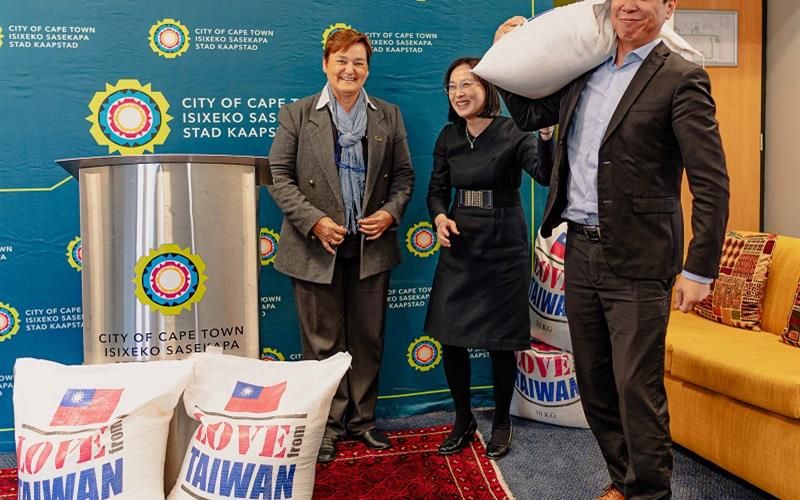
In a remarkable display of cooperation and social responsibility, the Taipei Liaison Office recently made a significant donation to the city of Cape Town. The Office of the Speaker accepted this generous gift of two tons of rice on behalf of the city, which reflects the enduring partnership and warm relationship between both parties. This benevolent act, spearheaded by Director-General Ms. Lily Chen, emphasizes the importance of collective efforts and social responsibility.
The Importance of Rice in South African Households
Rice is an essential staple food in South Africa, playing a critical role in offering low-cost nourishment for many families. It forms the foundation of their meals by providing affordable and nutritious sustenance. To understand the magnitude of this donation, the two tons of rice have the potential to feed around 10,000 people.
Addressing Food Security Concerns
The far-reaching impact of this donation is profound. It directly tackles food security issues for families who might otherwise struggle to put food on the table. In a country dealing with economic disparities and the consequences of recent devastating storms causing floods and mudslides, this contribution is of utmost importance. The storms have wreaked havoc on a multitude of households, making the Taipei Liaison Office’s gift even more meaningful.
The Influence of Collective Action and Social Responsibility
This donation not only helps alleviate immediate hunger but also stands as a testament to the tireless work of DG Chen and her team. Their unwavering dedication to making a positive difference in society is both praiseworthy and inspiring. The rice donation highlights the transformative potential of compassion, commitment, and collaboration.
Alderman Felicity Purchase, the Speaker, remarked, “As we express our gratitude, let us also remember that this is not just about rice – it is about acknowledging the needs of our fellow citizens and working collaboratively to address them.” The rice serves as a symbol of the potential for transformation when people unite for a shared objective.
Envisioning a More Inclusive and Sustainable Future
The Taipei Liaison Office’s donation sheds light on a path towards a more inclusive and sustainable future where every member of society can enjoy the fruits of progress. In a world plagued by inequality and numerous challenges, the actions of this group offer hope and motivation.
Alderman Purchase further conveyed her appreciation, saying, “It is inspiring and hopeful to see a group of people such as yourselves, working to uplift the lives of others and to put food on the table where there might have been none.” She extended her heartfelt gratitude to DG Chen and all those involved in this initiative for their role in positively impacting the lives of many.
A Beacon of Hope and Solidarity
The Taipei Liaison Office’s two-ton rice donation serves as more than just a means of sustenance; it symbolizes hope and solidarity. The Office’s generous contribution to Cape Town showcases the power of international collaboration and the strength of people coming together to address the challenges of food insecurity and inequality. By recognizing the needs of fellow citizens and working collectively to tackle them, the Taipei Liaison Office’s compassionate approach nurtures a brighter and more equitable future for all.
1. What did the Taipei Liaison Office donate to Cape Town?
The Taipei Liaison Office donated two tons of rice to the city of Cape Town.
2. What is the importance of rice in South African households?
Rice is an essential staple food in South Africa, providing affordable and nutritious sustenance for many families.
3. How many people can the two tons of rice potentially feed?
The donation has the potential to feed around 10,000 people.
4. What challenges is South Africa dealing with?
South Africa is dealing with economic disparities and the consequences of recent devastating storms causing floods and mudslides.
5. How does the rice donation address food security concerns in Cape Town?
The donation directly tackles food security issues for families who might otherwise struggle to put food on the table.
6. What does the Taipei Liaison Office’s donation symbolize?
The donation symbolizes hope and solidarity, showcasing the power of international collaboration and working collectively to tackle challenges.
7. What does Alderman Felicity Purchase, the Speaker, think of the donation?
Alderman Felicity Purchase, the Speaker, expressed her appreciation and acknowledged the needs of citizens, saying “It is about acknowledging the needs of our fellow citizens and working collaboratively to address them.”
8. What is the significance of the donation?
The donation represents a path towards a more inclusive and sustainable future where every member of society can enjoy the fruits of progress.