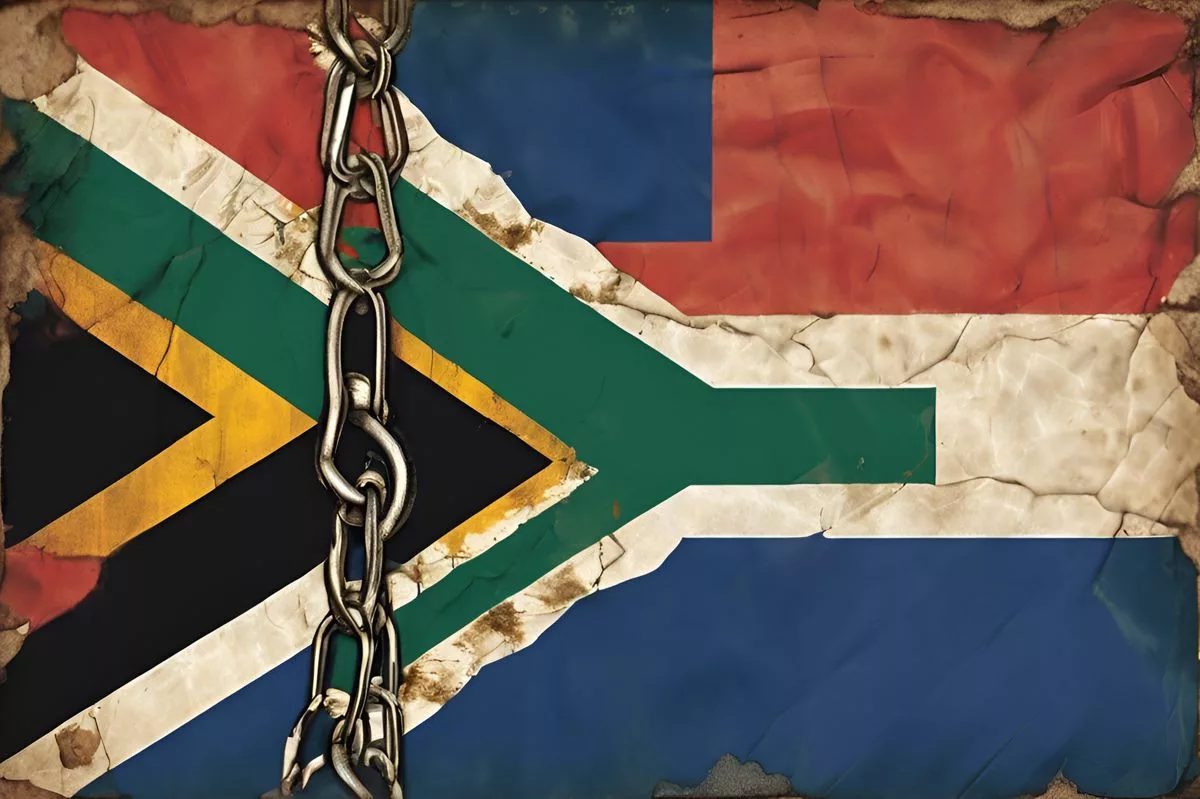
The auction of Nelson Mandela’s personal artifacts by his daughter, Makaziwe Mandela, has ignited a controversy over the preservation of the late statesman’s legacy. The South African Heritage Resources Agency and the Department of Sport, Arts, and Culture are fighting the auction, citing the importance of preserving Mandela’s contributions to the country’s heritage. The auction’s proceeds will fund the construction of a memorial garden at his final resting place, but the case highlights the delicate balance between private possession of historical artifacts and the public’s interest in conserving national heritage.
A Heritage Debate: The Mandela Legacy and the Fight for Preservation
What is the controversy surrounding Makaziwe Mandela’s plan to auction off Nelson Mandela’s personal artifacts?
Makaziwe Mandela plans to auction off letters written during his time in prison, his reading glasses, and his ID book, among other items, sparking a legal battle and public concern. The South African Heritage Resources Agency and the Department of Sport, Arts, and Culture are contesting the auction, emphasizing the importance of preserving Mandela’s legacy and contributions to the nation’s heritage. The auction’s proceeds will fund the construction of a memorial garden at his final resting place.
A Global Legacy Under Threat
Nelson Mandela’s influence, stemming from his life, struggles, and legacy, has left an indelible mark that extends far beyond South Africa’s geographical borders, touching the lives of people around the globe. His personal journey and the battle for equality and freedom he epitomized have taken center stage in a recent high-profile incident. This contentious issue revolves around Mandela’s eldest daughter, Makaziwe, who plans to auction off various items that belonged to the late statesman, triggering a heated dialogue on national heritage preservation.
Makaziwe Mandela, who is a daughter of Mandela and his first wife, Evelyn Mase, is the custodian of a collection of personal artifacts that provide a window into her father’s life and accomplishments. This collection includes letters he wrote during his incarceration on Robben Island, a gift from former U.S. President Barack Obama and his wife Michelle, his reading glasses, and his 1993 ID book. These items, rich in historical importance, were marked for auction, sparking controversy and legal complications.
The Fight for Preservation
Amid increasing public concern, South Africa’s Heritage Resources Agency (SAHRA), the Department of Sport, Arts, and Culture, and the Robben Island Museum challenged this decision. On December 28, 2023, these bodies sought the right to contest a High Court judgement, which initially supported Makaziwe’s decision to auction the items.
The Minister of Sport, Arts, and Culture, Zizi Kodwa, added his voice to the growing concerns, emphasizing the need to keep Mandela’s personal belongings within the country as a testament to his significant contributions. Kodwa stressed that Mandela’s legacy forms an integral part of the nation’s heritage, which must be preserved.
Kodwa’s remarks underscore a rising awareness of the importance of protecting culturally and historically relevant assets within South Africa. The proposed auction of Mandela’s personal belongings has sparked a broader discussion on the preservation of heritage and the commercialization of historical artifacts.
Kodwa stated, “It is thus crucial that we safeguard the legacy of former President Mandela and ensure that his life’s work and experiences remain in the country for future generations.” He further highlighted that Mandela’s legacy, along with the contributions of numerous others, has molded South Africa into a diverse, democratic, and free nation, and this rich heritage must be protected.
A Delicate Balance and an Enduring Impact
This high-profile case has underscored the intricate balance between private possession of historical artifacts and the public’s interest in conserving national heritage. The items in question are more than mere physical objects; they symbolize Mandela’s life, struggles, and legacy, encapsulating pivotal moments in his fight for freedom and equality.
The auction was originally scheduled for January 28, 2022, but after the High Court’s ruling in Makaziwe’s favor, it was postponed to February 22, 2024. Guernsey’s auction house in New York will manage the event, and the estimated value of the collection, which consists of 70 items, ranges between $2 million and $3 million.
Despite the controversy, it’s worth noting that the auction’s proceeds are earmarked for the construction of a memorial garden in Qunu, Mandela’s final resting place, in his honor. This garden will serve as a physical manifestation of Mandela’s enduring influence, providing a space for reflection and inspiring future generations.
As the debate rages on, this case provides a poignant reminder of Nelson Mandela’s lasting impact and the complex issues surrounding heritage preservation. This narrative intertwines personal and political aspects, the past and the present, and, ultimately, the struggle to control a nation’s memory and identity.
-
What items from Nelson Mandela’s personal collection are being auctioned off by his daughter, Makaziwe Mandela?
Makaziwe Mandela plans to auction off various items, including letters written during his time in prison, his reading glasses, and his 1993 ID book, among other things. -
Why is the auction of Mandela’s personal artifacts sparking controversy?
The South African Heritage Resources Agency and the Department of Sport, Arts, and Culture are challenging the auction, emphasizing the importance of preserving Mandela’s legacy and contributions to the nation’s heritage. They argue that historical artifacts like these should be kept within the country as a testament to his significant contributions. -
Who is contesting Makaziwe Mandela’s decision to auction off the personal artifacts?
The South African Heritage Resources Agency (SAHRA), the Department of Sport, Arts, and Culture, and the Robben Island Museum are all contesting Makaziwe’s decision to auction the items. -
Why is the preservation of Mandela’s personal belongings so important?
Mandela’s legacy is a significant part of South Africa’s heritage, and his personal belongings provide a window into his life and accomplishments. Preserving these artifacts is essential in maintaining his legacy and contributions to the nation’s history. -
What is the estimated value of the personal collection being auctioned off?
The estimated value of the collection, which consists of 70 items, ranges between $2 million and $3 million. -
What will the auction’s proceeds be used for?
The auction’s proceeds will fund the construction of a memorial garden in Qunu, Mandela’s final resting place, in his honor. This garden will serve as a physical manifestation of Mandela’s enduring influence, providing a space for reflection and inspiring future generations.