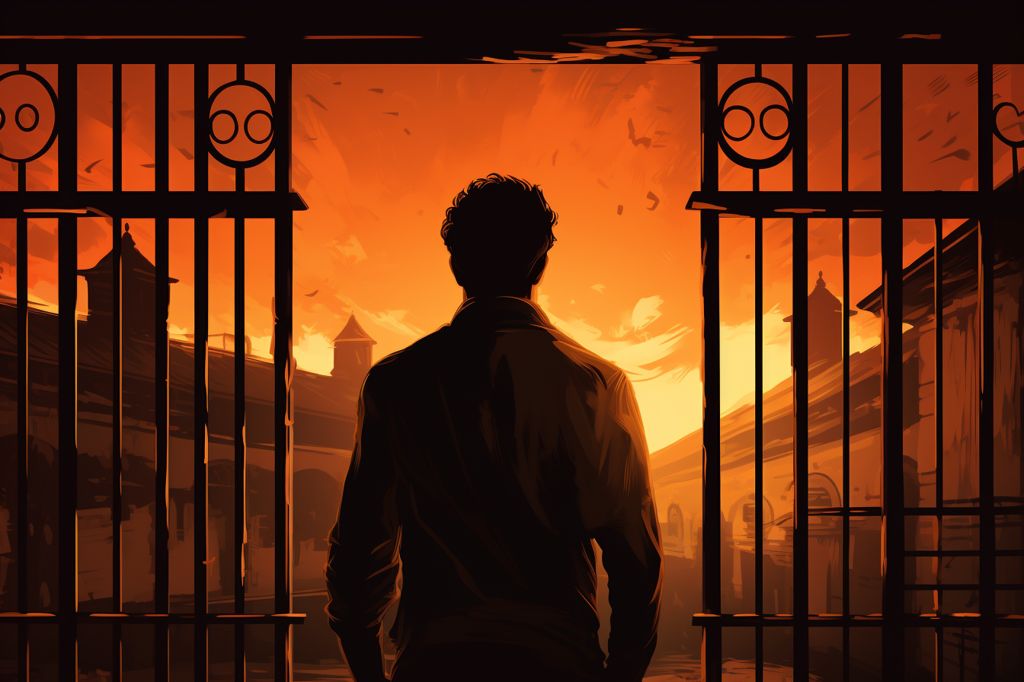
A Journey from Prison to Freedom: A Former Inmate’s First Steps into Society

1 min read
prison rehabilitation reentry into society

The Prison Journalism Project is an innovative program that aims to train incarcerated individuals to become journalists, share their stories with the world, and promote empathy and rehabilitation for those behind bars. In this article, we provide a first-hand account of one man’s release from prison after 13 years, highlighting the challenges and joys of rediscovering life outside the prison walls.

Last Day in Prison

Shon Pernice’s last day in prison filled him with anxiety and anticipation. As he mentally prepared himself for the moment his name would be called, he felt a sense of loss for the places and people he had known for over a decade. Although he was about to regain his freedom, Pernice also had apprehensions about the unknown world he was about to enter.

Newsletter

Stay Informed • Cape Town

Get breaking news, events, and local stories delivered to your inbox daily. All the news that matters in under 5 minutes.

Join 10,000+ readers
No spam, unsubscribe anytime

First Steps into Society

Donning a new set of clothes provided by a local church, Pernice felt grateful for the care he received. As he stepped out of the prison gates, he was greeted by a group of US military veterans who escorted him to a waiting vehicle, and he embarked on his first taste of life outside the prison walls.

Pernice’s initial experiences were marked by sensory overload. He was struck by the bright colors and unfamiliar sights of the outside world. As he passed by sleek, modern cars, he felt as if he had stepped into the pages of “Alice in Wonderland.”

Rediscovering Simple Pleasures

Pernice’s first meal at a Waffle House was both comforting and disorienting. He savored the taste of real food and reveled in the simple pleasure of using a glass and a proper steak knife. However, he remained apprehensive, scanning the room for potential threats and seeking out familiar patterns in an unfamiliar environment.

A visit to a convenience store presented Pernice with both the luxury of choice and the stark reality of inflated prices. He felt guilty for creating expenses for his supportive companions and struggled to make decisions. Pernice also noticed the prevalence of technology in everyday life and people’s attachment to their cell phones.

Adapting to Life Outside Prison

Adapting to life outside prison is a slow and deliberate process. Pernice knows that his prison mindset will not disappear overnight, but he is determined to embrace the challenges and joys of his newfound freedom. He carries with him the support of the Prison Journalism Project and the knowledge that his experiences and insights have the power to inspire understanding and change in the world around him.

In conclusion, Shon Pernice’s journey from prison to freedom is an inspiring tale of resilience and hope. His story highlights the challenges and joys of rediscovering life outside the prison walls and emphasizes the importance of empathy and rehabilitation for those behind bars. The Prison Journalism Project is a shining example of how innovative programs can make a positive impact on people’s lives and help them transition successfully into society.
Sarah Kendricks is a Cape Town journalist who covers the city’s vibrant food scene, from township kitchens reinventing heritage dishes to sustainable fine-dining at the foot of Table Mountain. Raised between Bo-Kaap spice stalls and her grandmother’s kitchen in Khayelitsha, she brings a lived intimacy to every story, tracing how a plate of food carries the politics, migrations and memories of the Cape.

Leave a Reply

Your email address will not be published.

Previous Story

Financial Assistance for Vulnerable Residents in Cape Town

Next Story

Trevor Noah announces new book, “Into The Uncut Grass”

Latest from Blog

A Teenager in a White Coat: How One Student Shattered South Africa’s Medical Age Record

{“summary”: “Imagine a whiz kid, David Obagbuwa, who started high school at 11 and became a doctor at just 21! He shattered South Africa’s medical age record, proving that a sharp mind and hard work can achieve amazing things. From classrooms in KwaZuluNatal to intense medical studies, David tackled every challenge. Even during lockdown, he quickly mastered his courses. Now, he’s ready to help people, showing that big dreams can come true, no matter how young you are.”}

Martian Dust, Carbon ankles & a R4-million Promise: Inside the 2026 Cape Epic’s Mobility Rebellion

Get ready for the 2026 Cape Epic, but this isn’t just any bike race! Three special teams, using amazing robotic legs and carbon ankles, will tackle the tough trails. They’re racing to raise R4 million to buy 200 new prosthetic limbs, 150 wheelchairs, and 50 sports blades for people in South Africa who need them. Every pedal stroke helps someone gain freedom and move again, showing that movement is for everyone, not just a few. This epic journey turns sweat into hope, changing lives one kilometer at a time.

Cape Town’s Shadow State: How Extortion Became the New Township Taxman

Cape Town has a big problem: bad guys are shaking down businesses and projects for money. They act like “taxmen” in townships, making building costs shoot up and forcing small shops to close. These criminals cause fear, stop important work, and even kill people who get in their way. It’s like a shadow government taking over, making life hard for everyone and costing the city tons of money. People are scared, and it’s unclear how this dangerous situation will ever truly end.

The Woman Who Taught Cape Town to Breathe Under Fire

Arlene Wehr taught Cape Town how to fight fires like a boss! She was one of the first women firefighters and totally changed the game. Arlene created cool new ways to find water, like “Operation Liquid Grid,” and made sure everyone had a chance to become a firefighter, even women. Because of her, Cape Town is safer, and the fire department is much more welcoming to all.

Morea House: Where the Atlantic Meets Art, Granite and Ghost-Nets

Morea House is Cape Town’s first fancy Marriott hotel, born from an old 1960s building. It shines with blushpink walls and art made from old fishing nets, making it feel truly special. This hotel is all about local beauty, from its design to its food, and even how it saves the planet. Imagine rooftop pools, unique spa experiences, and rooms where you wake up to amazing views. It’s a place where every detail tells a story of the ocean and the land, making your stay unforgettable.