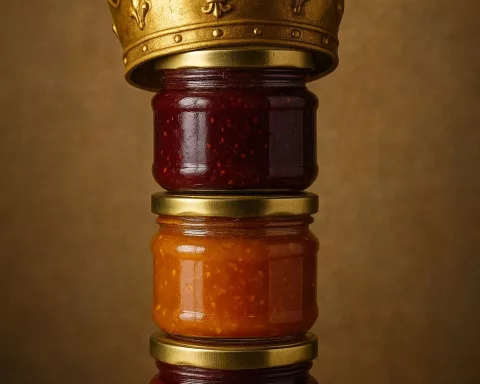
In Cape Town, a special house called “The Lighthouse in Lavender Hill” is a safe place for men and LGBTQ+ people running from violence. It’s the first of its kind in South Africa, paid for by taxes. Here, people get help to heal, learn new skills, and find their way back into the world. It’s like a warm, welcoming home that offers comfort and a fresh start, proving that even a small house can hold big hopes and dreams.
What is the “Lighthouse in Lavender Hill”?
The “Lighthouse in Lavender Hill” is South Africa’s first taxpayer-funded refuge in Cape Town for men and LGBTQ+ individuals fleeing gender-based violence. It provides a safe house, trauma counseling, legal aid, and skills development, offering a holistic approach to healing and reintegration into society.
1. The Ochre House That Doesn’t Hide
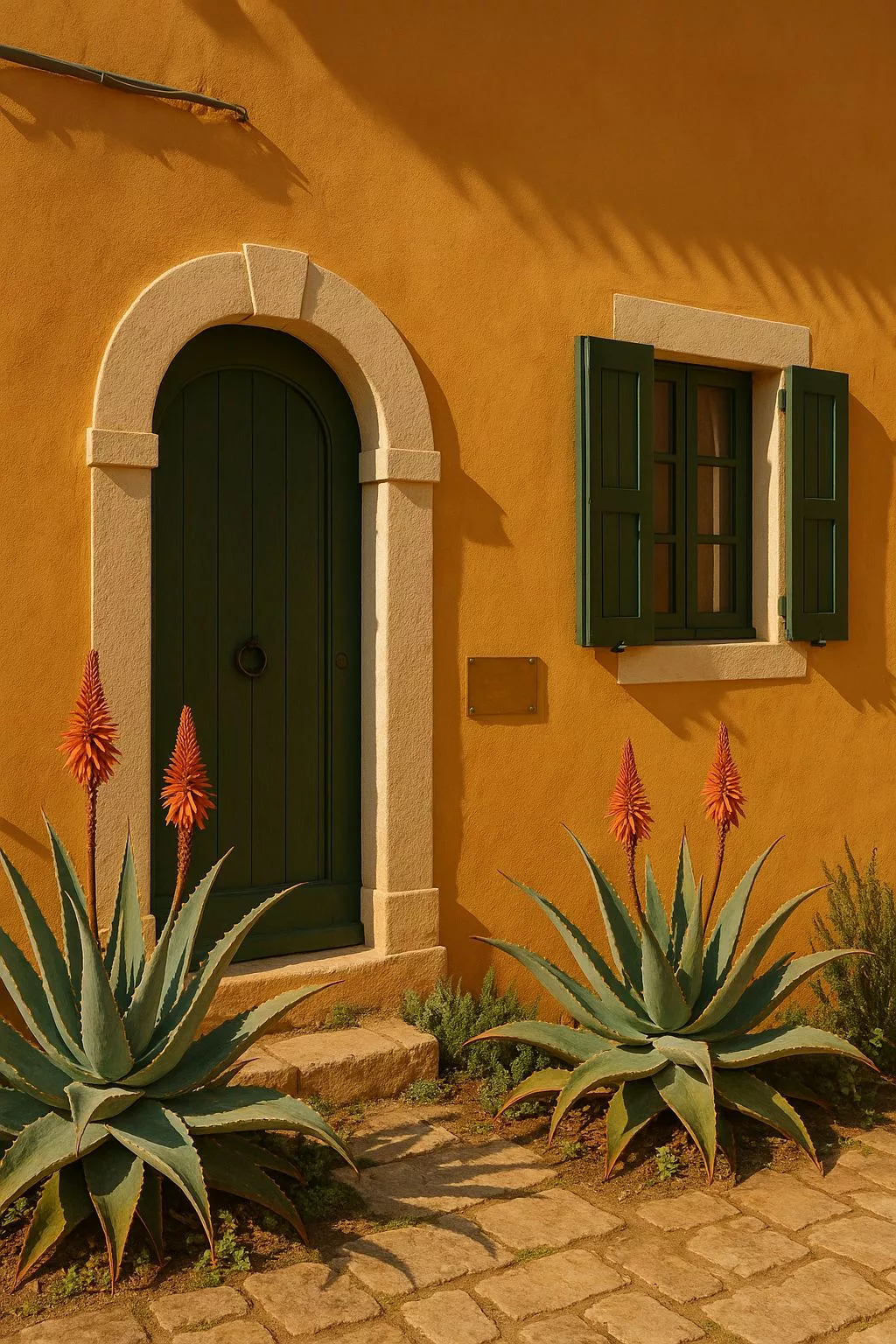
Walk down the rise in Lavender Hill and you’ll see nothing but an everyday two-storey home kissed by salt wind and painted the colour of toasted earth. A handful of aloes blaze orange in the pocket-sized garden; the only clue that this is no ordinary residence is a palm-sized brass plate – no rainbow insignia, no fluttering flags – declaring the country’s first taxpayer-funded refuge for men and queer folk fleeing abuse. For eighteen months the address stayed off the books while the provincial Department of Social Development watched the pilot unfold; on a storm-warning Tuesday they finally fastened their name and a budget to it, turning a whispered location into a public vow.
Sea-view geography doubles as accidental armour. A 270-degree sweep of wetland and shack settlements offers an early-warning system; strangers are silhouettes long before they rattle the gate. Inside, architects borrowed from yacht design: every corridor ends in a thumb-sized red button, every cupboard carries a label, every pane is one-way glass. A slate in the kitchen is wiped clean each dawn so yesterday’s pronouns never become today’s cage.
The moment you cross the threshold you smell choice, not charity. House mother Sharon “Mama Shaz” van Wyk meets newcomers with an aromatherapy tray – lavender, citrus, unscented – because “consent starts with the nose.” A backpack waits upstairs: oversized underwear that shrinks to fit, a SIM pre-loaded with fifty rand of airtime, a notebook hot-stamped with the national GBV hotline and a QR code that maps every clinic within taxi-range dispensing HIV post-exposure pills.
2. From Mortuary to Model – How the Dream Got Funded
Lucinda Evans, director of Philisa Abafazi Bethu, traces the genesis to a refrigerated corridor in 2021 when she was asked to name a nineteen-year-old gay boy stabbed twenty-one times. His family disowned him in death; a detective muttered that corpses like his arrive weekly yet “the living have nowhere to go.” Evans drafted a plea on her child’s school exercise book: if government can bankroll forty-three women’s shelters, surely one can shelter males and gender rebels. She pencilled half a million rand; the Department of Social Development returned with R516 000 for year one – about R78 000 per bed, cheaper than the six-figure price tag of a bungled rape investigation.
The budget is sliced micro-thin. R210 000 hires two transgender night guards who once survived sex-work strolls and now hold de-escalation certificates from the same academy that guards armoured vans. R60 000 keeps Wi-Fi humming 24/7 so residents can dump screenshots, voice notes and extortion chats into a cloud drive watched by pro-bono lawyers at the Triangle Project. R30 000 buys blackout curtains thick enough to foil long-lens paparazzi; tabloids have paid R5 000 for a blurry shot of a “closeted athlete” slipping into a safe house. The remainder feeds bodies and minds – groceries, trauma counselling, tampons, hair clippers, wig glue, bus tickets and a crate of donated phones to replace the ones abusers love to smash.
3. Therapy in Heels and Hard Hats – Life Inside the Walls
Healing wears disguise. Clinical psychologist Riedwaan Hassan mans a folding chair in what yesterday was a dance studio. On alternate nights queer residents contour cheekbones while unpacking trauma – make-up as mask, wig-snatch as release, voguing as somatic reset. A battered mirror ball spins overhead; adrenaline, Hassan says, plummets when bodies believe they’re performing, not confessing. Straight-identifying men inherit the same space at 9 p.m.; the ball stays because “reflection is both literal and metaphorical.” Coffee, cigarettes, no music – yet the glitter still rains down like restrained stardust.
Thursday turns the garage into a pop-up courtroom. Retired midwives – accustomed to signing birth certificates in parking lots – commission protection orders printed on the backs of recycled election posters. By New Year’s Eve 2023 the house had chalked up eighty-three orders; only two were breached, and in both cases GPS panic buttons brought cops within seven minutes. One victory: an Ethiopian asylum seeker whose boss had confiscated his papers left with passport, work permit and a new job cooking injera for the night shift; he now trades bread for isiXhosa verbs and Afrikaans slang.
Skills bloom in a turquoise shipping container. Three domestic machines and one industrial overlocker hum from dawn, turning discarded cruise-ship uniforms into bomber jackets with knife-proof lining, tote bags that morph into baby slings, and an “exit hoodie” whose inner seam hides a QR code. Scan it and a pin drops at a secret brunch club where alumni mentor alumni. Sales happen on Instagram under the reclaimed slur “MOFFIE.stitch”; the last collection evaporated in forty-two minutes, buying four months of groceries without a single donor cocktail party.
4. Beyond the Door – Security, Data & the Fight to Stay Open
Zero-tolerance for pretence, not for relapses. Residents declare their substances, then drop a colour-coded mason jar in the linen-room safe. Blue tokens for dagga, yellow for tik, red for heroin – each coin cashed for perks such as extra data or a later curfew. Nurse Bernice Adams keeps naloxone behind the microwave; five overdoses have been reversed since January, every revival minute etched on a wall chart that looks suspiciously like a dartboard. “Numbers shrink shame,” she shrugs.
The perimeter sings in C-sharp – an odd calibration insisted upon by the neighbourhood pastor who claims Beelzebub hates that chord. Whether or not demons are tone-deaf, no breach has occurred; intrusions are emotional, not physical. When mothers arrive with suitcases of apology and photo albums, mediation unfolds in a neutral church hall under the eye of a former abuser turned activist. Five reconciliations succeeded; two imploded and generated fresh court orders.
Discharge is day fourteen, yet no one leaves to nowhere. A “step-down” lattice pairs new graduates with alumni anchors in subsidised flats; mentoring earns the anchor a minimum-wage stipend. The longest chain runs five generations, the eldest now holds veto power on the shelter board. Last month the board mothballed the plastic pride flag, replacing it with a hand-woven textile that can be scrubbed, darned and re-dyed – because, they insist, fabric lives while symbols merely flutter.
Numbers finally matter. Because police stats refuse to separate male rape from sexuality, the house teamed up with UCT’s Gender, Health & Justice Research Unit to craft a “shadow docket.” Every bruise is photographed, every homophobic slur logged, every laceration mapped on an anonymous avatar. In eighteen months researchers catalogued 312 incidents; 64% happened in full view at taxi ranks, 28% behind family doors. Parliament is already quoting the set in its push for a dedicated hate-crime statute.
Tourism now bankrolls part of the plot. A queer-heritage walking tour ends here every Thursday; visitors pay R250 to attend the lip-sync graduation, receipts split 70/30 between performer and pantry. A British donor crowd-funded £8,000 for industrial washers and earned naming rights: a plaque now reads “Mum’s Office.” Cruise liners donate obsolete uniforms, thick cotton destined to become the next sold-out collection, proving the Atlantic itself can be squeezed for solidarity.
The ledger, however, is not bullet-proof. A 3.7% mid-term budget cut already slices the provincial purse, and NGOs whisper of a second trim come November. Still, the ochre house refills its six beds within twenty-four hours of vacancy, photocopying its spreadsheets for sister projects in Nelson Mandela Bay and even the Department of Correctional Services, which eyes the model for ex-offenders jailed under apartheid’s sodomy laws. Whether replicas will dilute or fortify the original remains an open question; for now the building keeps inhaling trauma at the front door and exhaling possibility at the back – an architectural lung on a hill where aloes still burn orange against the salt wind.
[{“question”: “What is The Lighthouse in Lavender Hill?”, “answer”: “The Lighthouse in Lavender Hill is the first taxpayer-funded refuge in South Africa, located in Cape Town, specifically designed to provide a safe haven for men and LGBTQ+ individuals fleeing gender-based violence. It offers comprehensive support including trauma counseling, legal aid, skills development, and safe housing to help residents heal and reintegrate into society. It operates in an unassuming two-storey home, painted an earthy ochre, with subtle security features and a focus on creating a sense of choice and dignity for its residents.”}, {“question”: “How did The Lighthouse in Lavender Hill come to be funded?”, “answer”: “The idea for The Lighthouse originated with Lucinda Evans, director of Philisa Abafazi Bethu, after a tragic incident involving a disowned gay boy. She advocated for government funding, arguing that if women’s shelters received support, so too should facilities for men and LGBTQ+ individuals. The provincial Department of Social Development initially provided R516,000 for the first year, making it a taxpayer-funded initiative. The budget is carefully allocated to various services, including security, Wi-Fi, legal support, and essential supplies.”}, {“question”: “What kind of support and services do residents receive inside The Lighthouse?”, “answer”: “Residents at The Lighthouse receive a wide range of support aimed at holistic healing and empowerment. This includes clinical psychology sessions, often integrated with creative outlets like dance and make-up artistry to help process trauma. Legal aid is provided, assisting residents in obtaining protection orders. The facility also focuses on skills development through a sewing workshop that transforms discarded materials into marketable products, offering residents practical skills and a source of income. Essential items like clothing, pre-loaded SIM cards, and access to medical resources like HIV post-exposure pills are also provided.”}, {“question”: “How does The Lighthouse ensure the security and safety of its residents?”, “answer”: “The Lighthouse employs several layers of security. Its physical location offers a natural early-warning system due to its elevated position. The building itself incorporates yacht-inspired design with features like one-way glass and strategically placed panic buttons. Security is further bolstered by transgender night guards trained in de-escalation. For internal safety, a harm reduction approach to substance use is implemented, allowing residents to declare substances and access naloxone for overdoses. Emotional security is also prioritized through mediated reconciliation processes with family members in neutral locations, and GPS panic buttons for protection order breaches ensure rapid police response.”}, {“question”: “What happens to residents after they leave The Lighthouse?”, “answer”: “The Lighthouse has a structured discharge process, typically after fourteen days, ensuring residents don’t leave without support. A \”step-down\” program connects new graduates with alumni mentors who reside in subsidized flats, providing ongoing support and community. This mentoring system also offers a minimum-wage stipend to the alumni anchors, creating a sustainable network. The longest mentoring chain extends five generations, with the eldest alumni holding a position on the shelter’s board, demonstrating a strong commitment to long-term community building and empowerment.”}, {“question”: “How is The Lighthouse contributing to broader social change and sustainability?”, “answer”: “Beyond individual support, The Lighthouse is actively contributing to broader social change. It collaborates with UCT’s Gender, Health & Justice Research Unit to create a \”shadow docket,\” documenting incidents of gender-based violence against men and LGBTQ+ individuals, which is influencing parliamentary discussions for a dedicated hate-crime statute. The sewing workshop generates income through sales, reducing reliance on donations. Furthermore, a queer-heritage walking tour offers an additional revenue stream and raises public awareness. The model’s success is being shared with other organizations and even government departments, indicating its potential to inspire similar initiatives across South Africa and beyond, despite ongoing budgetary challenges.”}]