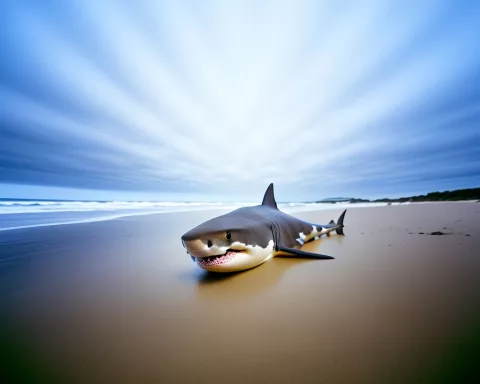
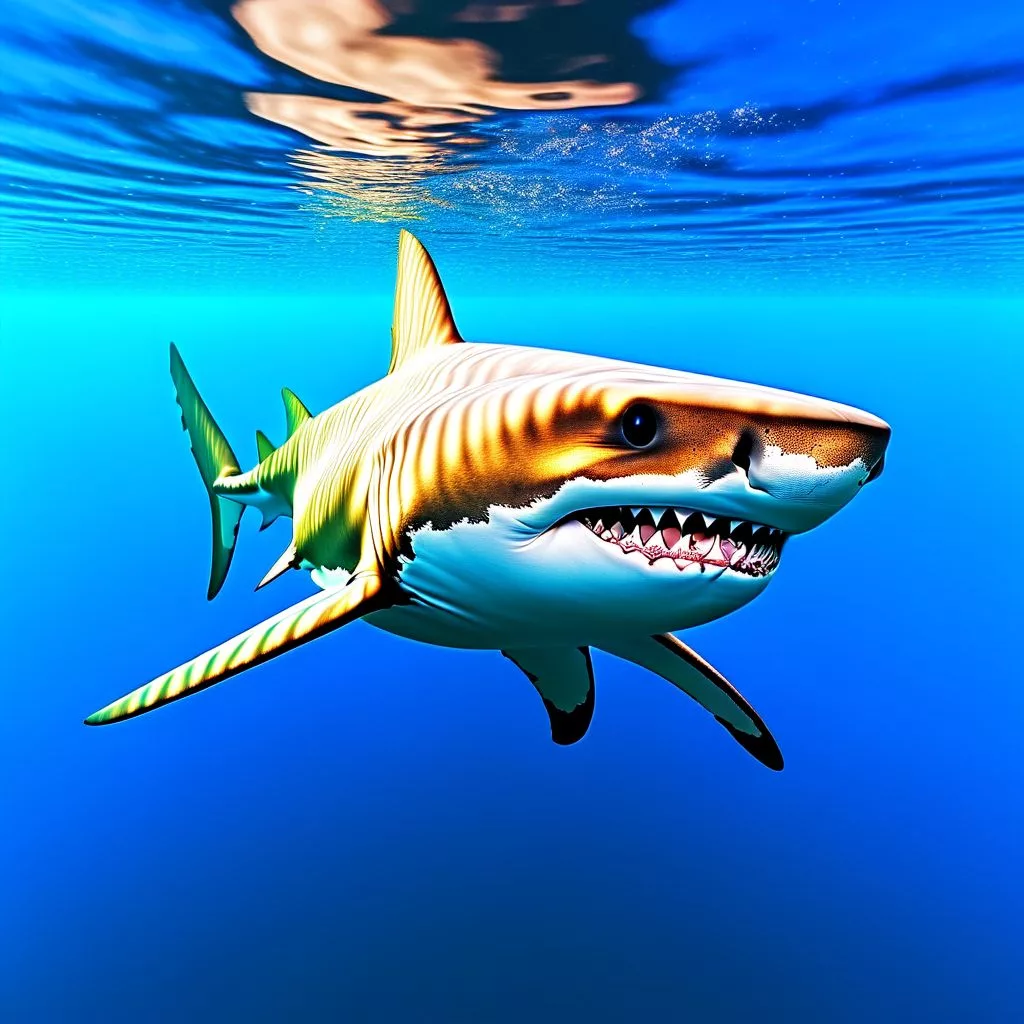
Gen the ragged-tooth shark has made a triumphant return to the ocean, marking a big step in shark conservation! Her release from the Two Oceans Aquarium highlights the critical need to protect these amazing creatures and keep our oceans healthy. Gen was carefully cared for and tracked to help scientists learn more about her and her kind. This heartwarming event not only celebrates her journey but also reminds us all of the importance of respecting and protecting our marine life for future generations.
What is the significance of Gen’s release back into the ocean?
Gen’s release into the ocean symbolizes a milestone in shark conservation. It highlights the importance of preserving ragged-tooth sharks, contributes to ecological balance, and fosters human awareness about marine life. Through meticulous care, Gen’s journey reflects a broader commitment to marine conservation and education.
Celebrating a Milestone in Shark Conservation
Recently, the team at the Two Oceans Aquarium celebrated a significant achievement in marine conservation: the successful release of Gen, a ragged-tooth shark, into the waters of Struisbaai. This event marked not just a momentous occasion for Gen’s devoted caregivers but also a meaningful advancement in preserving an essential yet vulnerable species. Ragged-tooth sharks play a crucial role in marine ecosystems, making their protection vital for maintaining ecological balance.
The release was a testament to the meticulous preparation and dedication required in such conservation efforts. The aquarium staff, demonstrating exceptional care, moved Gen from the Save Our Seas Foundation Shark Exhibit to a separate facility. This strategic temporary relocation allowed Dr. Ilse Jenkinson, the veterinarian in charge of Gen’s care, to perform comprehensive health assessments and closely monitor her vital signs. Ensuring Gen’s optimal health before her return to the wild exemplified the intensive care involved in this conservation process.
The morning of Gen’s release saw her being carefully placed in a secure chamber on a large truck, ready for her journey back to Struisbaai. Dedicated curatorial staff members accompanied her to ensure a smooth and safe transport. The profound bond between the caregivers and their aquatic charges was evident, showcasing the intricate relationship between humans and marine life.
The Strategic Release in Struisbaai
Upon arriving at Struisbaai, a critical phase of Gen’s release commenced. Utilizing a specially designed stretcher, the team guided her into the surf. Witnesses described an almost immediate and instinctual readiness in Gen, marking a poignant moment as she re-entered the ocean. The stretch of coastline near Struisbaai, part of the Agulhas ridge, serves as an ideal release site due to the migratory patterns of local ragged-tooth sharks heading towards the warmer waters of Kwa-Zulu Natal.
Throughout her stay at the Two Oceans Aquarium, Gen served as an ambassador, fostering a deeper understanding between humans and the often-misunderstood world of sharks. According to Dr. Jenkinson, during her time at the aquarium, Gen grew into a robust adult, weighing 209 kilograms and measuring 286 centimeters. Now sexually mature, her return to the wild carried hopes that she would reproduce, contributing to the natural population and underscoring the aquarium’s broader conservation objectives.
The Two Oceans Aquarium’s philosophy integrates a catch-and-release approach, particularly within their ragged-tooth shark conservation program. This practice aids in the preservation of the species and serves a crucial educational purpose. By exhibiting these magnificent creatures, the aquarium helps dispel the fear surrounding sharks, replacing it with a sense of wonder and respect. The underlying message is clear: these complex animals deserve admiration and protection.
Tracking Gen’s Journey and Broader Implications
To further understand and protect the species, Gen was fitted with a tracking tag before her release. This device will provide invaluable data on her movements along the coast, contributing to broader research on the migratory patterns and behaviors of ragged-tooth sharks. Such information is crucial for developing effective conservation strategies and ensuring the long-term survival of these remarkable creatures.
Gen’s release also highlights the delicate balance between conservation and education. As apex predators, sharks play a vital role in maintaining the health of marine ecosystems by regulating the population of other species, ensuring a balanced and thriving ocean environment. By releasing sharks like Gen, the Two Oceans Aquarium actively contributes to this equilibrium, reinforcing the importance of each species within the larger ecological tapestry.
The human element in Gen’s story cannot be overlooked. The dedication and care provided by the aquarium staff reflect a deep-seated passion for marine conservation. Their efforts exemplify how individuals and institutions can collaborate to make a meaningful impact. This commitment transcends mere professional duty, embodying a genuine desire to foster a healthier planet.
Broader Context of Marine Conservation
In the broader context of marine conservation, Gen’s release underscores the importance of proactive and informed intervention. While human activity has often threatened marine life, it also holds the potential for rehabilitation and restoration. Initiatives like those at the Two Oceans Aquarium offer a glimpse into a future where humanity’s relationship with the ocean is based on stewardship and reverence rather than exploitation.
The Two Oceans Aquarium’s conservation efforts, exemplified by Gen’s release, resonate with historical and artistic movements that have sought to reconnect humanity with the natural world. From the transcendentalists of the 19th century, who revered nature as a source of inspiration and moral guidance, to the modern environmental movement, there is a clear lineage of thought valuing the preservation and appreciation of our natural surroundings.
In literature and art, the ocean often symbolizes the vast, mysterious, and interconnected nature of life itself. Releasing Gen back into the wild echoes these themes, illustrating the profound and ongoing dialogue between humanity and the natural world. It represents a narrative of discovery, respect, and mutual existence, one that evolves with each conservation success story.
A Symbol of Hope and a Call to Action
Gen’s journey from the aquarium to the ocean is more than a single event; it symbolizes hope and a call to action. It challenges us to reconsider our impact on the environment and inspires us to contribute to preserving our planet’s biodiversity. Through stories like Gen’s, we are reminded of the beauty and complexity of the natural world and the vital role we play in its continuation.
Reflecting on Gen’s release, it becomes evident that every effort, no matter how small, adds to a larger narrative of conservation and coexistence. The dedication of the Two Oceans Aquarium team, the meticulous planning and care, and the ultimate return of Gen to her natural habitat represent a microcosm of what is possible when humanity aligns with the rhythms of nature. Such actions protect and preserve and foster a deeper sense of connection and purpose in the vast, intricate web of life.
By participating in these conservation efforts, we actively contribute to a future where humans and marine life coexist harmoniously. This collaborative spirit and dedication to preserving our natural world are crucial for ensuring that future generations can experience and appreciate the richness and diversity of marine ecosystems. Through continued efforts and a collective commitment to conservation, we can look forward to a healthier, more balanced planet where every species thrives.
FAQ about Gen’s Return to the Ocean
What is the significance of Gen’s release back into the ocean?
Gen’s release symbolizes a significant milestone in shark conservation, emphasizing the need to preserve ragged-tooth sharks for ecological balance and raising awareness about marine life. Her journey reflects a broader commitment to marine conservation and education.
How did the Two Oceans Aquarium prepare for Gen’s release?
The aquarium staff meticulously relocated Gen to a separate facility for comprehensive health assessments before her release. Careful monitoring of her vital signs ensured her optimal health, illustrating the dedication involved in such conservation efforts.
Where was Gen released, and why is this location important?
Gen was released near Struisbaai, a site chosen due to its alignment with migratory patterns of local ragged-tooth sharks. The coastline serves as an ideal habitat for sharks, particularly as they migrate towards the warmer waters of Kwa-Zulu Natal.
What role did Gen play during her time at the Two Oceans Aquarium?
During her stay, Gen served as an ambassador for her species, helping to foster understanding and respect for sharks. She grew into a robust adult, weighing 209 kilograms and measuring 286 centimeters, and her return to the wild hopes to aid in reproducing and increasing the natural population.
How is Gen being tracked after her release?
Before her release, Gen was fitted with a tracking tag that will provide valuable data on her movements along the coast. This information is vital for understanding her migratory patterns and behaviors, which can inform effective conservation strategies for ragged-tooth sharks.
How does Gen’s story contribute to the broader context of marine conservation?
Gen’s release exemplifies the importance of proactive intervention in marine conservation, showcasing how human efforts can rehabilitate and restore ecosystems. It highlights the significance of each species in maintaining ecological balance and emphasizes the collaborative spirit required to protect our oceans and biodiversity for future generations.