A New Dawn for Lower Silvermine Wetland: Phase 1 Dredging Completed

1 min read
e n

The City’s Water and Sanitation Directorate has announced the completion of phase one of the Silvermine Wetland dredging initiative. This project aims to enhance the lives of residents and wildlife by improving inland water quality, an essential aspect of the City’s ongoing environmental programs.

Meticulous Efforts to Unveil Hidden Stormwater Infrastructures

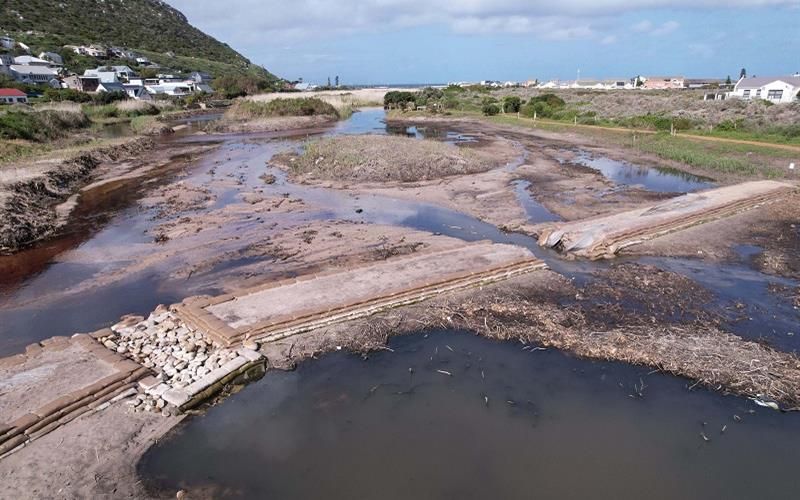
During phase one, dedicated teams cleared reeds and invasive plants from the wetlands’ boundaries and the coffer dam’s perimeter. This meticulous effort unveiled hidden stormwater infrastructures, including gabions and headwalls, that are essential to the wetlands’ health.

Newsletter

Stay Informed • Cape Town

Get breaking news, events, and local stories delivered to your inbox daily. All the news that matters in under 5 minutes.

Join 10,000+ readers
No spam, unsubscribe anytime

Efficient Dredging for the Environment and Wildlife

After the initial groundwork, the teams expertly dredged the area, removing silt, alien vegetation, and reeds from a 10-meter section down towards the first Western Leopard Toad (WLT) pond. This endeavor safeguards the environment and ensures the well-being of the endangered WLT and its offspring.

Temporary Reinforcement of the Cofferdam

The teams temporarily reinforced the coffer dam’s walls with an earth berm and sandbags to capture any sewage before it enters the wetland or reaches walkways. This early warning system provides the City’s Sewer Department ample time to respond and remove any sewage from the coffer dam.

Rejuvenation of the Wetlands

The teams successfully completed remedial work to repair damage to the coffer dam and eradicate reeds by the end of July. The area’s rejuvenation has attracted various wildlife species to the wetlands, where they can thrive and contribute to the diverse ecosystem. Residents have also welcomed the revitalized space, enjoying picturesque walks and jogs alongside the serene water, flanked by the majestic mountains and accompanied by the tranquil sounds of birds and toads.

Significance of Well-Maintained Inland Waterways

Councillor Zahid Badroodien, Mayoral Committee Member for Water and Sanitation, highlighted the significance of well-maintained inland waterways. They provide safe recreational spaces for activities like fishing and canoeing and contribute to overall environmental health, ensuring the safety and well-being of residents and wildlife alike.

Future Plans for the Wetlands

Phase two of the project is scheduled to commence at the end of January 2024, following the conclusion of the WLT breeding season. Residents eagerly anticipate the space’s continued transformation.

Gratitude for Support and Commitment to the Environment

Councillor Badroodien expressed gratitude to residents for their understanding and support during this critical project. The City is committed to preserving the environment and enhancing the lives of its inhabitants. With phase one complete, the future of Lower Silvermine Wetland is bright, promising an ever-improving sanctuary for residents and wildlife to coexist harmoniously.

A Russian-Spanish journalist and Cape Town native, channels his lifelong passion for South Africa into captivating stories for his local blog. With a diverse background and 50 years of rich experiences, Serjio's unique voice resonates with readers seeking to explore Cape Town's vibrant culture. His love for the city shines through in every piece, making Serjio the go-to source for the latest in South African adventures.

Previous Story

A Culinary Celebration of Heritage at Brookdale Estate Bistro

Next Story

Western Cape Government: Setting the Standard for Top Employers in South Africa

Latest from Blog

From Randburg to the Record Books: How Tyla Rewrote Pop History in 2:45

Tyla, a young artist from Randburg, South Africa, exploded onto the music scene with her song “Chanel.” This catchy tune, made simply on headphones, became a massive hit without biglabel help. Thanks to TikTok and Spotify’s smart playlists, her music found millions of listeners globally. Tyla’s success shows that a great song, shared widely online, can now rewrite music history and reach the top charts, even from far away. She owns her music, giving her power that earlier artists never had.

Cape Town’s “Red Wedge”: How a 900-Metre Airport On-Ramp Became South Africa’s Most Watched Kill-Zone

{“summary”: “The \”Red Wedge\” in Cape Town is a dangerous 900meter stretch of airport road. It’s famous for terrible crimes like carjackings and smashandgrabs, making it South Africa’s most watched ‘killzone.’ This area was poorly designed in the 1970s, which now helps criminals ambush cars. Even with many cameras, police struggle to stop the quick attacks. Now, a big wall is being built, and new tech like drones and special apps are helping to fight back against the robbers.”}

South Africa’s 2025 Beef Surge: When Biology, Red Tape and a Thirsty Planet Collide

South African beef prices shot up in 2025, not because of local good news, but because the world ran short of red meat. Fewer cattle everywhere and China’s pork problems made other countries hungry for South African beef. Even with local sickness and people here buying less, farmers made more money. They sold to new places like the Middle East, using special tricks to get around problems. But the future is tricky, with animal sickness, changing weather, and how much money is worth all playing a part in what happens next for South African beef.

A Province That Won’t Stop Knocking on the Constitutional Door

The Western Cape really wants to break away from South Africa, but it’s super hard because of the law. The country’s main rule says South Africa must stay as one, and changing that is almost impossible. Even though many people in the Western Cape feel left behind and want to control their own future, the government keeps saying ‘no’. So, for now, the Western Cape has to find other ways to get more power without leaving the country.