
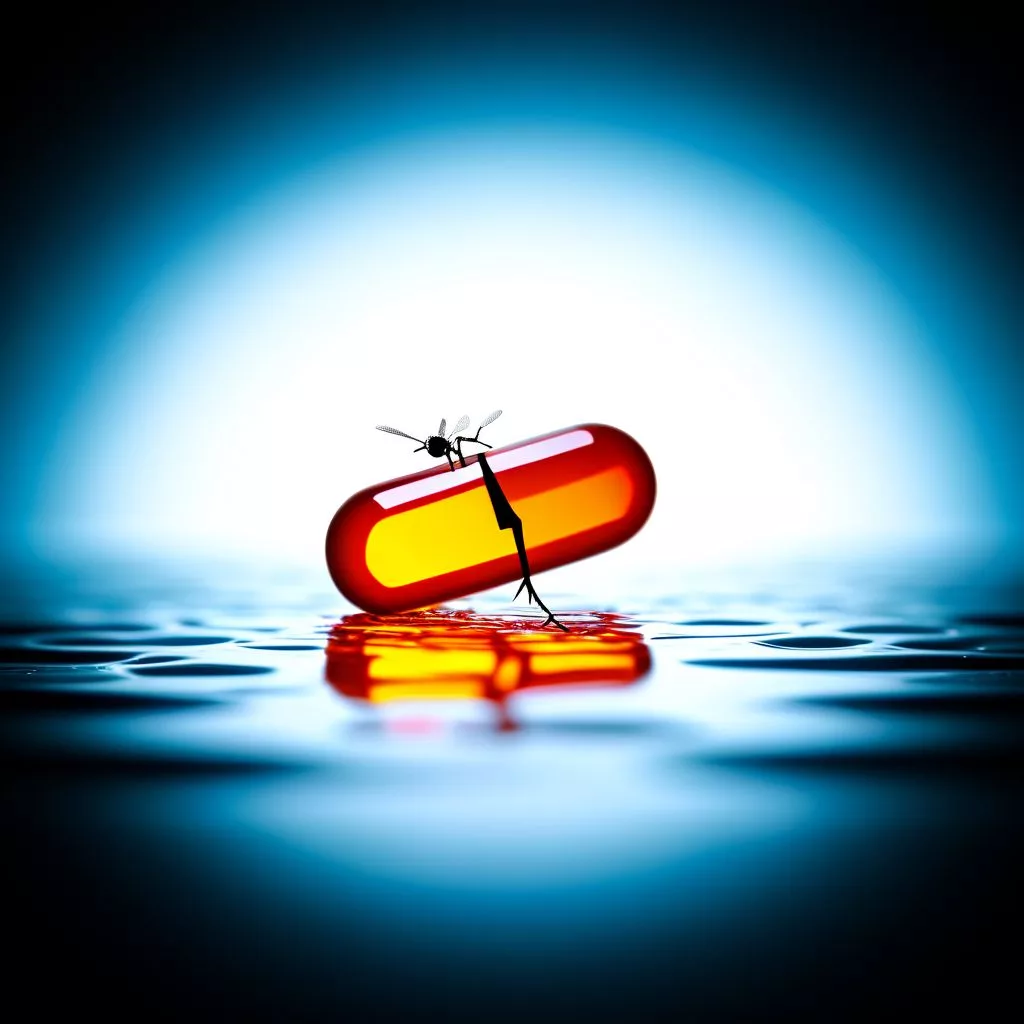
Coartem Baby is a new malaria medicine made just for tiny infants weighing less than 5 kilograms, bringing hope to babies in sub-Saharan Africa who were left without safe treatment before. This easy-to-give, carefully measured drug helps protect the most fragile little ones from malaria’s deadly grip. After years of struggle and teamwork, Coartem Baby is now reaching villages and clinics, promising a brighter future where more babies can survive and thrive. It’s a shining example of how science and care can come together to save lives.
What is Coartem Baby and how does it improve malaria treatment for infants in sub-Saharan Africa?
Coartem Baby is the first malaria therapy specifically designed for infants under 5 kilograms. It offers a safe, precisely dosed, and easy-to-administer treatment, closing a critical gap in infant malaria care and improving survival rates among the most vulnerable babies in sub-Saharan Africa.
The Ongoing Struggle Against Malaria
As the sun rises over the vast, iron-rich soils of sub-Saharan Africa, an unnoticed war continues. In this region, malaria has etched itself into everyday existence, persisting as a deadly enemy. Every day, mothers rise anxiously, unsure whether their children have survived the night. In 2023, this unyielding disease claimed nearly 600,000 lives, with the majority being children under five. For generations, babies—too small even to hold up their heads—have borne the brunt of malaria’s cruelty, lacking any treatment designed specifically for their fragile bodies.
This year, however, marked a turning point. The world introduced its first malaria therapy meant exclusively for infants and newborns. In clinics bustling with worried parents and remote village health posts shaded from the searing sun, this new medicine offers a vital shift in the fight for survival. The arrival of Coartem Baby (also known as Riamet Baby) stands as more than a medical milestone; it embodies years of scientific commitment, global cooperation, and the persistent hope of families and health workers alike.
Malaria’s grip on human history runs deep. During colonial times, quinine—extracted from the cinchona tree—became the first effective antimalarial, though its bitter taste became a symbol of both suffering and fortitude. The late twentieth century brought another leap forward with artemisinin-based combination therapies (ACTs), helping to reduce malaria deaths worldwide. Despite the widespread use of bed nets and insecticides, a gap persisted: infants under 5 kilograms had no approved malaria treatment. Until recently, these youngest patients remained dangerously unprotected.
Bridging the Treatment Gap for Vulnerable Infants
When malaria struck an infant, healthcare workers faced a troubling dilemma. Without a medication tailored to newborns, they resorted to risky improvisation. Medical staff would scale down dosages meant for older children, perpetually worried about giving too much or too little. Babies’ unpredictable metabolisms made this guesswork even more hazardous. The challenge forced doctors into moral quandaries—administering partial doses and risking ineffective treatment, or holding back for fear of causing harm through overdose. In many cases, the outcome came down to chance rather than medical certainty.
This longstanding vulnerability began to shift through a partnership between Novartis, a major pharmaceutical company with deep roots in malaria research, and the nonprofit Medicines for Malaria Venture (MMV). Their collaboration drew on the commitment to accessible healthcare championed by groups like Médecins Sans Frontières. Developing Coartem Baby took more than scientific expertise; it required understanding pediatric needs, local healthcare realities, and the logistical hurdles of distributing medicine across remote, resource-limited areas.
Conducting clinical trials for this new drug involved eight African countries, each adding its own unique cultural and logistical challenges. The process demanded both scientific rigor and the trust of local communities. Community health workers—often the backbone of rural medical care—played a crucial role, bridging language barriers and cultural skepticism. A nurse in Uganda described how she reassured worried parents, drawing on her own experience as a mother to explain the research and safety behind the medicine. These stories highlight how progress in medicine depends not only on data, but also on the trust and relationships built between healthcare providers and families.
Coartem Baby: A Breakthrough in Global Health
The approval of Coartem Baby marks a genuine breakthrough, promising to narrow the gap in health equity for some of the world’s most vulnerable patients. Dr. Marvelle Brown, a public health leader, underscored the importance of this development, especially for infants with additional risk factors like sickle cell disease. Such children, with weakened immune systems, face even deadlier odds against malaria. The advent of an infant-specific formulation now gives doctors the ability to treat these high-risk babies with greater safety and confidence.
Accessibility adds another layer to this achievement. Novartis has committed to distributing Coartem Baby on a not-for-profit basis in low-income countries. This echoes earlier debates during the HIV/AIDS crisis, when disparities in drug availability between wealthy and poor nations provoked worldwide outrage and action. By choosing an affordable pricing model, Novartis and its partners acknowledge that the struggle against malaria is not just a medical challenge—it is also a fight for justice and equity.
Delivering new therapies to those who need them most requires more than scientific innovation. History provides a telling parallel in the story of smallpox eradication: Edward Jenner’s discovery in 1796 was only the beginning. The global impact depended on years of work by health workers, governments, and communities. Likewise, the effectiveness of Coartem Baby will depend on the efforts of ministries of health, logistics experts, and the relentless dedication of nurses and midwives working on the frontlines.
Medical Innovation for the Marginalized
The introduction of Coartem Baby also reflects a broader shift in how the world approaches medical advancements. Throughout the twentieth century, pharmaceutical research often focused on diseases affecting wealthier nations. Today, groups like MMV and the Drugs for Neglected Diseases initiative (DNDi) champion research directed at illnesses that primarily affect poor and marginalized populations. The development of Coartem Baby illustrates this new era: cutting-edge science now serves those previously left behind by global health priorities.
On the ground, the significance of this new medicine can be felt in the smallest details. In homes where the whine of mosquitoes signals danger and the feverish wailing of babies spells distress, even how a drug is administered can have huge consequences. Coartem Baby comes as a dispersible, flavored tablet—making it easy for parents to give and for babies to swallow. This thoughtful design recognizes that a medicine’s effectiveness depends not only on its formula, but on how real families use it in real-world conditions.
Addressing malaria requires more than just one new therapy. The fight includes insecticide-treated nets, public education, and health system strengthening. Yet, by closing a painful gap in infant care, Coartem Baby delivers hope that was missing for far too long. The drug joins a broader arsenal, helping to protect those who once teetered on the edge of survival without a dedicated treatment.
Looking Ahead: Hope and Responsibility
As shipments of Coartem Baby prepare to reach clinics and villages across Africa, the significance of this moment resonates beyond medicine. This drug’s approval is not just a clinical victory—it’s a testament to what global collaboration, scientific perseverance, and moral resolve can accomplish. MMV CEO Martin Fitchet captured the spirit of this achievement, pointing out that Coartem Baby delivers a much-needed, precisely dosed medicine for an often-overlooked group of patients, enriching the global fight against malaria.
The journey doesn’t end here. Ensuring that this breakthrough translates into lives saved will demand continued coordination, education, and investment. The lessons learned from past global health campaigns teach us that science, policy, and empathy must work hand in hand. By prioritizing the needs of the youngest and most at-risk, the world signals a renewed commitment to equity and compassion in healthcare.
As a new day breaks over the red earth of sub-Saharan Africa, the arrival of Coartem Baby promises to rewrite countless family stories. For the first time, millions of infants stand a better chance against malaria—not because of luck, but because the world chose to act. This milestone marks an important step forward, redrawing the boundaries of possibility and hope for the most vulnerable among us.
What is Coartem Baby and who is it designed for?
Coartem Baby is the first malaria therapy specifically formulated for infants weighing less than 5 kilograms. It is designed to provide safe, precisely dosed, and easy-to-administer treatment for newborns and tiny babies in sub-Saharan Africa who previously had no approved malaria medicine tailored to their fragile bodies. This infant-specific therapy fills a critical gap in malaria care for the most vulnerable patients.
Why was there a need for a malaria treatment specifically for infants under 5 kilograms?
Before Coartem Baby, healthcare workers had no safe, approved malaria treatment for infants under 5 kilograms. They had to improvise by adjusting doses from older children’s medicines, which was risky due to infants’ unpredictable metabolisms and delicate health. This guesswork often resulted in ineffective treatment or potential harm from overdose, leaving many babies dangerously unprotected against malaria’s deadly effects.
How was Coartem Baby developed and tested?
Coartem Baby was developed through a partnership between Novartis and the non-profit Medicines for Malaria Venture (MMV), combining scientific expertise with a deep understanding of pediatric needs and local healthcare challenges in Africa. Clinical trials were conducted across eight African countries, involving local communities and healthcare workers to ensure safety, efficacy, and cultural acceptance. The collaboration included training community health workers, building trust with families, and adapting to logistical realities in remote areas.
What makes Coartem Baby different from other malaria medicines?
Unlike previous malaria treatments, Coartem Baby is a dispersible, flavored tablet designed specifically for infants under 5 kilograms, making it easier for parents to administer and for babies to swallow. It offers precise dosing tailored to the needs of newborns, improving safety and effectiveness. Moreover, Novartis distributes Coartem Baby on a not-for-profit basis in low-income countries, enhancing accessibility and equity in malaria care.
How does Coartem Baby contribute to the global fight against malaria?
Coartem Baby represents a breakthrough in global health equity by addressing a previously neglected patient group: the smallest and most vulnerable infants. It complements existing malaria interventions like insecticide-treated nets and public education by providing a critical treatment option for babies who were left without safe care before. Its availability reinforces the commitment to reducing malaria mortality and improving child survival rates in sub-Saharan Africa.
What challenges remain after the introduction of Coartem Baby?
While Coartem Baby is a significant medical advancement, saving lives depends on continued efforts beyond the medicine itself. Challenges include ensuring widespread distribution to rural clinics, educating healthcare workers and families on proper use, and integrating the treatment into local health systems. Ongoing coordination among governments, NGOs, and communities is essential to maximize impact. Additionally, malaria prevention through nets, insecticides, and health system strengthening remains vital in the broader fight against the disease.