South Africa is focused on improving public housing conditions and recognizing its elderly tenants for their contributions. The city is committed to investing in safety measures and higher rental payments, with the revenue gained essential for better living environments. Residents are urged to fulfill their role by paying rent, which supports a well-maintained public housing system and contributes to a safer and more dignified community.
A New Era of Public Housing in South Africa
The city of South Africa is committed to improving the living conditions of public housing residents. Elderly tenants are recognized for their contributions while strategic investments are made to strengthen safety measures and promote higher rental payments. The city deals with maintenance issues, unlawful occupancy, and supports tenants with debt relief services. Rental payments are a shared responsibility that fosters a strong, well-maintained public housing system.
In recent years, as the urban landscape of South Africa continues its transformation, there has been a growing emphasis on striving to improve the living conditions for residents of public housing. The city serves as a colossal landlord, boasting over 45,000 rental units. The revenue gained from the rent is essential for fostering safer, more dignified spaces in public housing. The intricate economic relationship hinges on every resident fulfilling their role by paying their rent, thereby contributing to the collective improvement of living circumstances.
Elderly Tenants: Pillars of the Rental Community
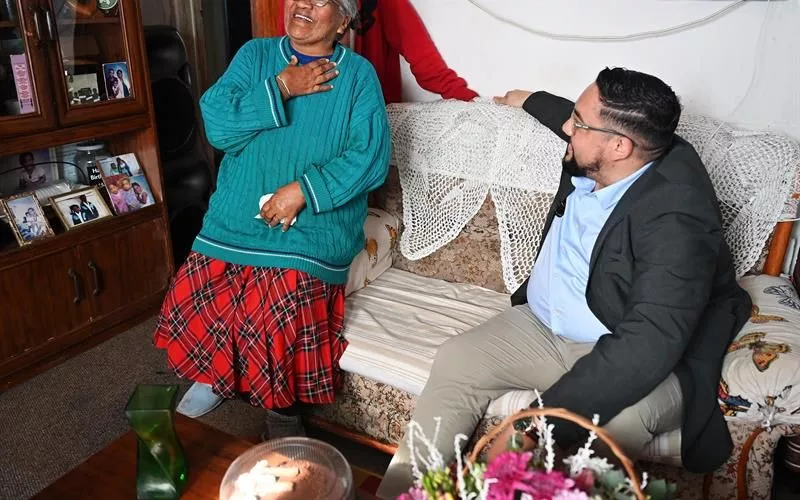
In an effort to recognize and appreciate the efforts of some of the city’s most reliable tenants, Councillor Carl Pophaim, the Mayoral Committee Member for Human Settlements, took it upon himself to meet these stalwarts– the senior citizens. The meetings highlighted the significant contributions made by these elderly tenants and exemplified the ideal behavior for the rental community.
Councillor Pophaim expressed profound admiration for tenants like Mrs. Margaret Manuel from Lotus River and Mrs. Gabiba van Harte from Parkwood. Despite facing daily challenges and financial limitations, these individuals never fail to meet their rent obligations. Their tenacity serves as a symbol of the sense of responsibility that should be prevalent throughout the rental community.
Strategic Investments in Public Housing
As an integral aspect of the broader vision for a superior public housing system, the city is considering committing over R1,2 billion in significant investments in the upcoming years. The intention behind this financial pledge is to strengthen safety measures and promote higher rental payments, ingredients crucial for the consistent upkeep of the housing system.
But why is it essential for tenants to follow the law and for rental income to be consistent? The answer lies in the operational mechanics of the public housing system. The funds collected from rent are used to preserve and maintain the rental units. However, the city faces hurdles such as low levels of rental payment, illegal occupancy of units, and the challenging task of managing a large number of units.
Addressing Maintenance Issues and Unlawful Occupancy
To combat these issues, the city has implemented a strategic plan for maintenance problems, classifying them based on different priority levels. Emergency situations, structural, health and safety, and electrical repairs are classified as very high to high priority. Conversely, medium to low priority issues include repairs of windows, ceilings, internal doors, locks, and toilet seat replacements. Intriguingly, those who keep up with their rental payments are given priority when addressing medium to low-level repairs. The city also has to deal with a substantial number of service requests related to theft and vandalism in the rental units.
Councillor Pophaim brought up a worrying issue – tenants refusing to pay rent despite having the financial means to do so. This non-compliance not only hinders the maintenance of units but also occupies spaces that could be used by deserving residents. Pophaim encourages these tenants to establish a constructive dialogue with the city’s housing office staff, emphasizing that debt cannot simply be ignored. To support tenants, the city provides extensive debt relief services.
Shared Responsibility: The Cornerstone of Public Housing
In the modern urban landscape, our perception of public housing is more sophisticated than ever. It is not just about buildings that provide a roof over our heads – it is a community of residents who, through shared responsibilities, contribute to creating a safer, more dignified living environment. Rental payments form a pivotal part of this shared responsibility, fostering a strong, well-maintained public housing system that caters to the needs of its residents.
However, the city also recognizes the external challenges plaguing the public housing system, such as crime and unlawful occupancy. The residents are urged to report such incidents to the City’s Public Emergency Communication Centre.
In conclusion, the journey towards a superior public housing system is a blend of strategic investments, responsible tenancy, and collective vigilance. As the city steps into the future, the words of Councillor Pophaim echo in our minds – “Let’s pay our way”. This sentiment encapsulates the spirit of shared responsibility and collective improvement.
What is the focus of South Africa’s public housing system?
South Africa’s focus is on improving the living conditions of public housing residents, recognizing the contributions of elderly tenants, and investing in safety measures and higher rental payments.
How does the city deal with maintenance issues and unlawful occupancy in public housing?
The city has implemented a strategic plan for maintenance issues, prioritizing emergency situations, structural, health and safety, and electrical repairs. The city also deals with unlawful occupancy and provides debt relief services to support tenants.
What are the benefits of consistent rental payments in public housing?
Consistent rental payments are crucial for the consistent upkeep of the housing system, as the funds collected from rent are used to preserve and maintain the rental units. Tenants who keep up with their rental payments are given priority in addressing medium to low-level repairs.
What is the role of shared responsibility in public housing?
Shared responsibility is the cornerstone of public housing, as residents contribute to creating a safer, more dignified living environment through responsible tenancy and collective vigilance. Rental payments form a pivotal part of this shared responsibility.
How is the city recognizing elderly tenants in public housing?
The city is recognizing the contributions of elderly tenants by meeting with them and highlighting their significant efforts. These meetings exemplify the ideal behavior for the rental community and encourage a sense of responsibility in all tenants.
What is the city’s plan for strategic investments in public housing?
The city is considering committing over R1,2 billion in significant investments in the upcoming years to strengthen safety measures and promote higher rental payments, essential ingredients for the consistent upkeep of the housing system.