
The South African government and organized business have joined forces to address critical economic challenges and promote inclusive growth and job creation. This groundbreaking collaboration involves the CEOs of the country’s largest companies, who are committed to pooling their skills and resources to tackle key priorities.
Building on Successful COVID-19 Collaboration
The partnership initiative follows the successful collaboration between the government and business sectors during the COVID-19 pandemic, particularly in the nationwide vaccine rollout. President Ramaphosa has observed that their joint efforts have demonstrated the power of partnership in overcoming obstacles and achieving shared goals of rebuilding the economy and fostering inclusive growth.
Prioritizing Energy, Transport, Logistics, Crime, and Corruption
Three immediate priority interventions have been identified: energy, transport and logistics, and crime and corruption. These will be addressed through the government-led National Energy Crisis Committee (NECOM), National Logistics Crisis Committee (NLCC), and Joint Initiative to Fight Crime and Corruption (JICC), all overseen by a Joint Strategic Operations Committee.
Business for South Africa (B4SA) Implementation Platform
This initiative emanates from Business for South Africa (B4SA), the implementation platform for Business Unity South Africa (BUSA), which will collaborate with various government departments, state-owned enterprises, and other relevant structures. The idea is to build on the country’s unrealized potential and ensure sustainable and inclusive economic growth.
Addressing Priorities with Strategic Partnerships
Under the partnership, significant progress has already been made in the three priority areas. The energy sector’s NECOM is working to eliminate load shedding and achieve energy security, with the private sector providing support to develop a national communication plan. In transport and logistics, efforts are underway to improve operational performance on key trade corridors and mobilize private sector resources while integrating business initiatives into the government’s Freight Logistics Roadmap. The crime and corruption workstream will focus on strengthening the Investigating Directorate (ID) in the National Prosecuting Authority (NPA) and implementing intelligence, policing, and other reforms in response to the recommendations of the State Capture Commission of Inquiry, among other efforts.
Future Focus Areas and Short-Term Collaboration
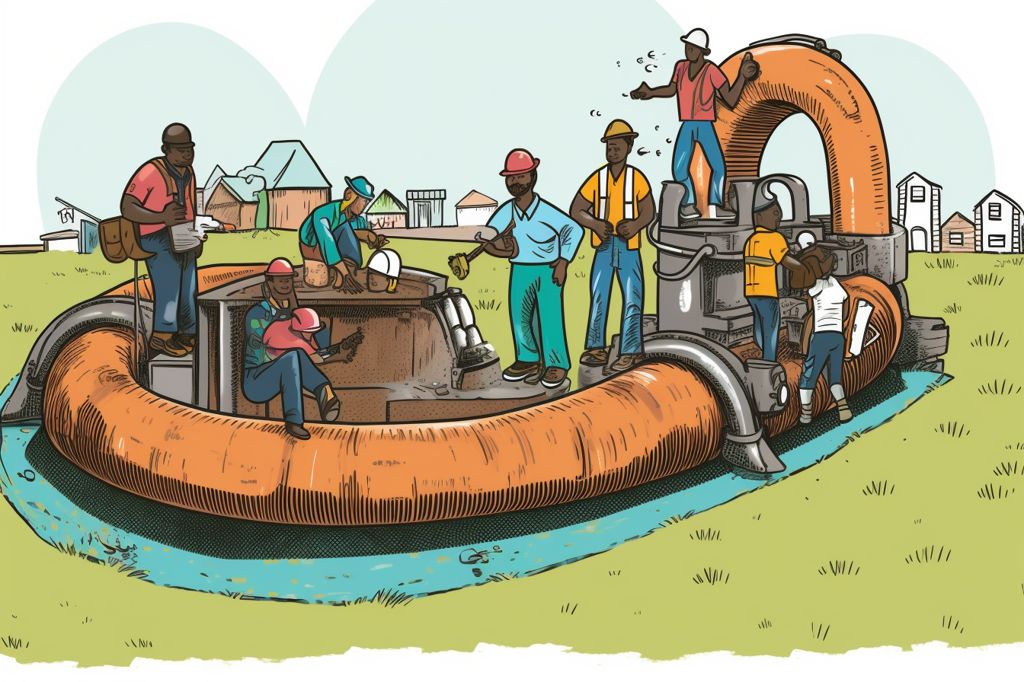
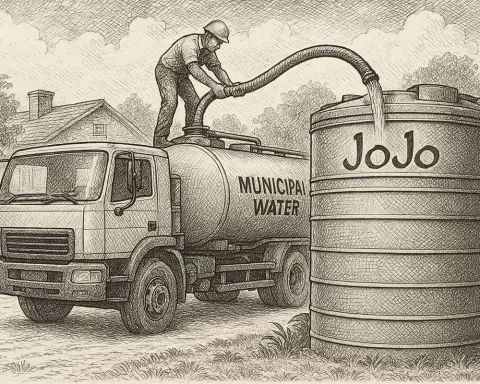
Future focus areas, such as water and infrastructure, may be considered as the workstream priorities evolve. In the meantime, the partnership will explore ways to advance cooperation on the jobs agenda and identify areas of collaboration or existing programs that can be significantly scaled in the short term.
A New Dawn for South Africa
The collaboration between the South African government and organized business marks a new dawn for the nation. By addressing these crucial challenges through a shared commitment to partnership, South Africa stands poised to unleash its untapped potential and achieve an inclusive, prosperous future for all its citizens. Adrian Gore, BUSA’s Vice President, emphasizes the importance of the partnership agreement, stating that business leaders are dedicated to contributing their skills and resources to address the nation’s priorities. Success in these areas, he says, will lead to significant impact on GDP growth and job creation, restoring confidence amongst all stakeholders. Martin Kingston, chair of the B4SA steering committee, highlights the progress made in establishing the three priority workstreams. He envisions that through joint collaboration and strategic partnerships with the government, they can deliver on these interventions and set the nation on a sustainable path to realizing its full potential.