Jonkershoek’s Panorama Circuit is a wild, beautiful place where nature can turn fierce without warning. A young hiker learned this the hard way when a sudden storm trapped him in cold, dark mountains overnight. Thanks to brave search teams, he was found safe, teaching us that careful planning and respect for the mountain’s power are vital. Always bring extra supplies, share your plans, and never depend only on your phone. Adventure here is amazing—but only if you’re truly prepared.
What are the key safety tips for hiking Jonkershoek’s Panorama Circuit?
To hike Jonkershoek’s Panorama Circuit safely, always check weather forecasts, hike with a companion, carry extra food and water, bring a thermal blanket, printed maps, and a whistle. Share your route and expected return time, know emergency contacts, and never rely solely on technology for navigation.
The Call of Jonkershoek: Where Beauty Meets Risk
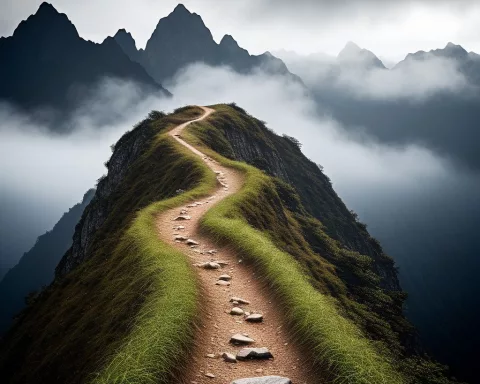
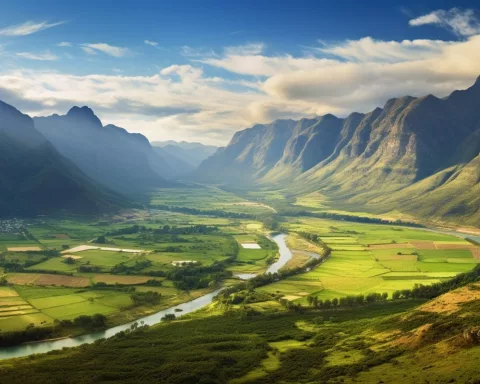
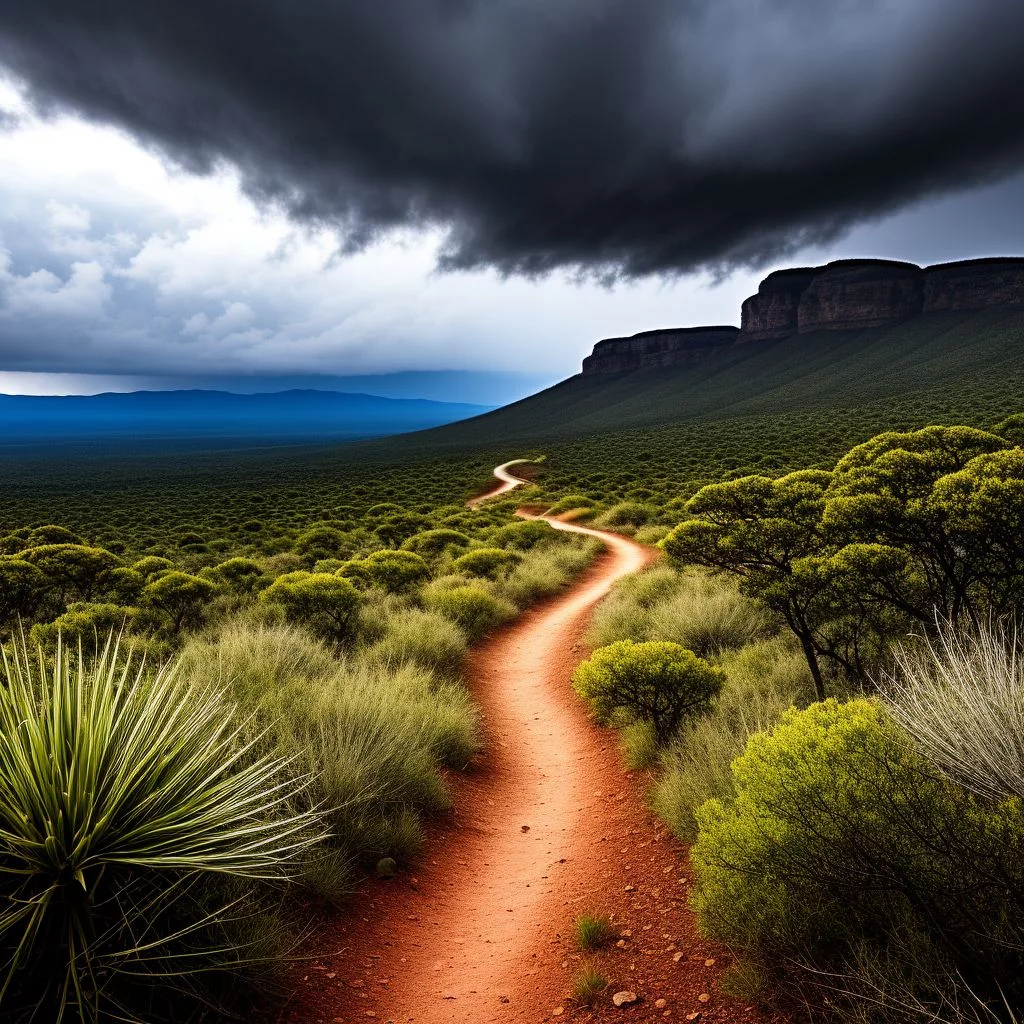
Just beyond the university town of Stellenbosch lies Jonkershoek Nature Reserve, a place where South Africa’s rugged splendor takes center stage. High, jagged peaks pierce the sky, while tumbling streams carve deep valleys below. The fynbos, a resilient and endemic plant community, flourishes on these rocky slopes, creating a landscape as dramatic as any painting or travelogue from centuries past. Adventurers from around the globe flock to Jonkershoek, hoping to find both peace and adrenaline among its winding trails.
The reserve’s wildness is at once inviting and intimidating. For hikers, the allure of panoramic vistas and untamed terrain often overshadows the potential hazards lying in wait. As history has shown time and again, nature’s grandeur comes with inherent dangers. The same mountains that inspire awe can, in an instant, challenge survival skills and test the limits of human endurance.
Jonkershoek’s reputation as a testing ground for both spirit and body draws countless outdoor enthusiasts. Many heed the call equipped with modern gear and online advice, but the unpredictable forces of the Cape wilderness ensure that every journey carries an element of risk—one that demands humility and preparation.
Setting Out: Ambition Meets Inexperience
On a gray Thursday morning, an 18-year-old Russian traveler arrived at the Panorama Circuit Trail, energized by curiosity and the thrill of new horizons. He traveled solo, trusting in the wealth of information found online to guide his decisions. Like many of his generation, he planned his adventure through digital forums and social media, piecing together recommendations and route maps from afar.
While the internet has broadened access to hiking wisdom, it also sometimes disguises the true rigors of remote landscapes. The young hiker’s optimism, though admirable, could not compensate for an absence of practical experience. The Panorama Circuit, famed for its demanding paths and breathtaking scenery, would soon present challenges far beyond what virtual briefings had suggested.
Undeterred, he began the trek, confident in his abilities and the promise of discovery. Unbeknownst to him, the day would unfold into a stern lesson on the limits of preparation and the swift reversals that wilderness travel can deliver.
As the morning gave way to afternoon, the clouds thickened. In the Cape region, weather can shift rapidly and without warning—a reality that has shaped the narratives of explorers and artists for generations. What began as a manageable hike soon transformed as the sky opened, unleashing relentless rain and plunging the trail into chaos.
Into Hardship: Nature’s Sudden Fury
By midday, the mountains unleashed a downpour that turned gentle streams into powerful torrents and stable footpaths into treacherous mudslides. Cape Town’s winter storms, infamous for their severity, quickly made navigation a dangerous proposition. The previously solid ground gave way beneath the hiker’s boots, and the growing rivers cut off escape routes, rendering the landscape almost unrecognizable.
Facing impassable barriers of water and rock, the tourist attempted to backtrack, desperate to find safety before nightfall. As the storm intensified, his phone served as his only link to the outside world. He managed to send a final message to a friend, sharing his location and an urgent plea for help just after 4pm. Soon after, the cold and wet conditions drained his phone’s battery, severing all contact and leaving him isolated in the encroaching darkness.
As night took hold, temperatures plummeted. With no shelter and scant resources, the hiker huddled among rocks, trying to preserve body heat and stave off hypothermia. The wilderness, stripped of daytime beauty, became a hostile environment—one driven by the raw, impartial forces that have long challenged those who venture beyond civilization’s borders.
The hours passed slowly, marked by discomfort and uncertainty. The ordeal demanded both physical and mental resilience, as the young man grappled with exhaustion and the daunting prospect of a night alone in the mountains. As countless adventurers before him have learned, survival in the wild hinges on perseverance, adaptability, and the ability to maintain hope even when conditions seem bleak.
The Engine of Rescue: Coordination and Community
When the young man missed his planned check-in, worry quickly escalated among the people waiting for news. As soon as authorities received the alert, Wilderness Search and Rescue (WSAR) mobilized before dawn. More than twenty staff and volunteers descended on Jonkershoek, each bringing expertise gained from rigorous training and past operations. Alongside WSAR, CapeNature rangers contributed deep knowledge of the reserve’s complex network of trails and hidden gullies.
The operation relied on both traditional methods and modern technology. Teams used the hiker’s last known GPS coordinates, overlaying them onto detailed maps of the region. Radio communication kept everyone synchronized, allowing search parties to systematically comb the most likely areas, from the main circuit to remote off-trail nooks.
This coordinated effort proved essential. The crew balanced speed with thoroughness, navigating steep terrain made riskier by the previous day’s storm. While the terrain challenged every step, shared purpose and experience fueled their determination.
After hours of searching, hope turned to relief when the hiker emerged near the reserve entrance at 2:44pm—cold, exhausted, but alive. Paramedics sprang into action, treating the early signs of hypothermia and ensuring his safe return. By late afternoon, the search wound down, leaving all involved with a renewed appreciation for the importance of preparation and teamwork.
Hard-Earned Wisdom: The Mountain’s Demands
David Nel, spokesperson for WSAR, summarized the core lesson with straightforward clarity. The mountains command respect and thorough preparation; their risks do not diminish their allure, but they underline the need for caution. Jonkershoek’s rugged beauty, like that celebrated in classic literature and art, is inseparable from its challenges.
The reserve, anchored within the Hottentots Holland range, has consistently tested those who traverse its peaks and valleys. Its history stretches from early indigenous travelers to colonial era explorers, and now to visitors equipped with smartphones and GPS. In every generation, the mountains impart the same lesson: those who underestimate them may pay a steep price.
Preparation remains the foundation of safe adventure. While modern devices can assist, they cannot guarantee safety when conditions turn hostile. As this incident shows, even the best intentions and digital tools can falter if not complemented by fundamental wilderness knowledge and caution.
Preparation and Prevention: Practical Advice for Hikers
The Russian tourist’s ordeal and eventual rescue highlight several critical safety principles. First and foremost, hikers should always consult up-to-date weather forecasts before heading out, especially in regions prone to sudden storms. Traveling with at least one companion dramatically improves safety, making it easier to respond to emergencies.
Essential supplies should include extra food, water, a thermal blanket, and reliable navigation aids. In the Cape’s mountains, mobile coverage is limited, so hikers should always carry a printed map and a whistle. Knowledge of emergency contact numbers, such as 021 937 0300, is vital, as is sharing your route and expected return time with someone trustworthy.
While technology provides valuable support, it should never replace time-tested safety measures. Batteries can fail, and reliance on GPS can lead to overconfidence. Seasoned hikers know to respect the landscape’s unpredictability, bringing both the right equipment and the right mindset to every trek.
Moving Forward: Lessons for a New Generation
The rescue at Jonkershoek now stands as a vivid example in the ongoing story of wilderness adventure. Each such incident enriches the collective knowledge of organizers, guides, and hikers, driving improvements in both response strategies and public education. Stories of survival in the wild, once the domain of adventure tales, now serve as important reminders in safety campaigns and outdoor training.
Interest in hiking and outdoor pursuits continues to grow, both in South Africa and around the world. As societies become more urbanized and fast-paced, more people are drawn to the restorative power of nature. Yet, as the events in Jonkershoek demonstrate, the rewards of wild places are inseparable from the demands they impose.
The intersection of individual ambition and communal responsibility forms the bedrock of modern adventure. Every successful rescue reflects not just technical skill, but the enduring values of cooperation, vigilance, and respect. These lessons, echoed throughout the history of exploration, remain as relevant as ever.
Jonkershoek endures as a stage for new stories—of challenge, perseverance, and the unbreakable human spirit. Its mountains, unchanged by time, will continue to inspire and humble, welcoming those who come prepared and offering hard lessons to the unwary. In the partnership between explorers and those who safeguard them, the true meaning of adventure is found: an ongoing balance between seeking the unknown and honoring the power of nature.
FAQ: Hiking and Safety at Jonkershoek’s Panorama Circuit
1. What makes Jonkershoek’s Panorama Circuit both attractive and challenging for hikers?
Jonkershoek’s Panorama Circuit offers stunning panoramic views, rugged peaks, and unique fynbos vegetation, making it a magnet for adventurers seeking both beauty and physical challenge. However, the reserve’s wild terrain and rapidly changing Cape weather conditions can quickly turn a pleasant hike into a survival test. The steep slopes, fast-flowing streams, and muddy paths require good fitness, careful navigation, and respect for nature’s unpredictability.
2. How can hikers best prepare for sudden weather changes on the Panorama Circuit?
Hikers should always check the latest weather forecasts before setting out, as Cape weather can shift abruptly. Carrying extra warm clothing, a thermal blanket, waterproof gear, and sufficient food and water is crucial. It’s wise to have a printed map and compass as backups if electronic devices fail. Inform someone reliable about your route and expected return time, and avoid hiking alone to ensure help is available if conditions worsen.
3. Why is relying solely on smartphones or GPS devices risky in Jonkershoek?
Mobile coverage in Jonkershoek is often limited or non-existent, especially in deep valleys or remote sections of the trail. Phones can lose battery quickly in cold and wet conditions, as happened during the recent rescue incident. GPS devices can malfunction or lead hikers off-trail if not used properly. Therefore, traditional navigation skills, printed maps, and physical signaling tools like whistles remain essential safety measures.
4. What should hikers do if they get lost or trapped in the mountains overnight?
If trapped, it’s important to stay calm and conserve energy. Seek shelter from wind and rain—rocks, caves, or dense bush can provide some protection. Use a thermal blanket or extra clothing to preserve body heat and reduce the risk of hypothermia. Attempt to communicate your location via phone or whistle signals if possible. Avoid wandering in poor visibility, which can worsen your position. Most importantly, wait for rescue teams, who will use your last known location and search systematically.
5. How do search and rescue teams operate in Jonkershoek, and what can hikers do to assist their efforts?
Search and rescue teams, such as WSAR and CapeNature rangers, combine experienced personnel, local knowledge, radio communication, and GPS data to locate missing hikers. They coordinate methodical searches across rugged terrain, often working in dangerous conditions. Hikers can help by leaving detailed trip plans with trusted contacts, carrying identification and emergency numbers, and activating emergency services promptly when in distress. Cooperation and timely reporting significantly improve rescue success.
6. What are the key safety lessons from the recent young hiker’s overnight ordeal in Jonkershoek?
The incident highlights that optimism and online research cannot replace practical experience and thorough preparation. Respect for the mountain’s power, carrying essential gear (extra food, water, thermal blanket, maps, whistle), hiking with companions, and sharing your itinerary are vital. Technology aids but cannot guarantee safety. Most importantly, maintaining a cautious mindset and readiness to adapt to unexpected conditions can make the difference between a safe adventure and a life-threatening situation.
For emergencies in Jonkershoek, call 021 937 0300.