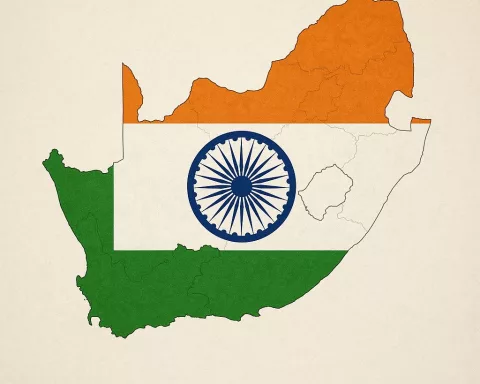

A group of 49 Afrikaners left South Africa for the United States in a journey full of hope and uncertainty. Sponsored by the Trump administration, their move sparked heated debates about race, migration, and land politics in both countries. As they stepped onto the plane at dawn, these families carried memories of their homeland and dreams for a safer future. Their story shines a light on how deeply belonging and identity shape the lives of people across the world.
What is the Afrikaner resettlement and why is it significant?
The Afrikaner resettlement involved 49 Afrikaners leaving South Africa for the U.S., sponsored by the Trump administration due to alleged racial discrimination concerns. It highlights complex issues of migration, identity, land reform, and political debate in both countries, reflecting deep histories of belonging and displacement.
Departure at Dawn: A Community on the Move
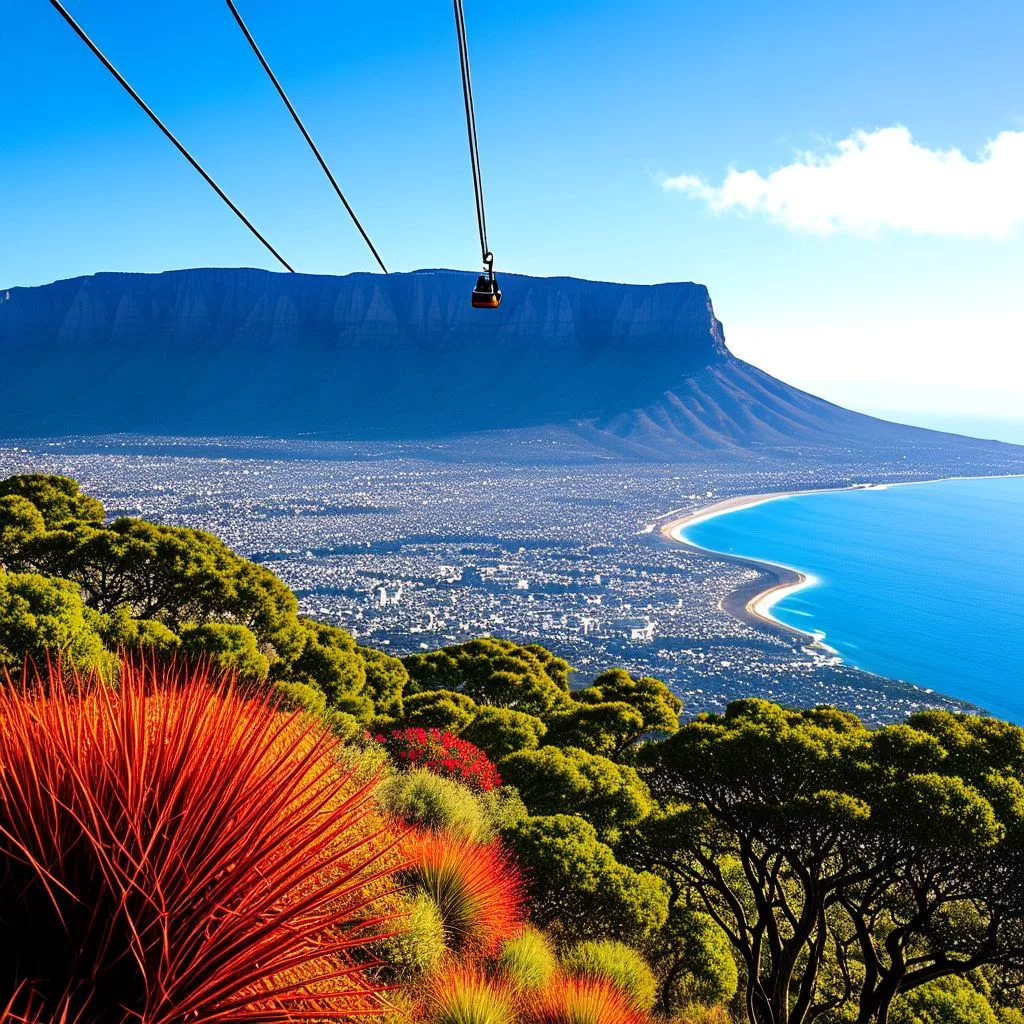
Cape Town’s mornings often arrive with salty breezes and a sense of possibility, but this particular Sunday felt charged with a deeper urgency. At a secluded edge of the city’s international airport, travelers gathered in silence, the weight of their suitcases matched only by the tension in their expressions. These men, women, and children waited for a flight not merely out of South Africa, but toward an uncertain chapter in a distant land. This journey carried forty-nine Afrikaners across the Atlantic to the United States, marking the beginning of a controversial resettlement initiative layered with political, social, and historical significance.
The events leading up to this flight reflected far more than bureaucratic logistics. South Africa’s Department of Transport authorized a single chartered flight destined for America, a move fraught with symbolism and debate. Collen Msibi, the department’s spokesperson, outlined the strict protocol the government followed: every aspect of the journey, from the route to the rationale, appeared in the permit application. However, the real gravity lay in who received permission to leave. The Department of Home Affairs, the Border Management Authority, and the police each scrutinized the list of potential passengers, ensuring no one with pending legal issues could board. Even as the sun rose over the tarmac, the final names remained in flux.
This scene at the airport echoed centuries of migration and displacement within South Africa. Afrikaners, descended from Dutch, Huguenot, and German settlers, know well the costs and hopes of migration. Their ancestors trekked into the continent’s heartland in the 1830s, drawn by the promise of autonomy and freedom. Now, their descendants stood poised for another journey—one that reawakened the spirit of their forebears while confronting the realities of a globalized world.
Political Dimensions: Refuge, Race, and International Debate
International attention quickly turned to the resettlement flight, transforming a local event into a global talking point. A Reuters dispatch revealed that the Trump administration in the U.S. had prepared to receive these Afrikaner refugees under its official program. Plans included a high-profile arrival at Washington Dulles International Airport, followed by a press conference and eventual resettlement in states as different as Idaho, Alabama, and Minnesota. The destinations held their own symbolism: Idaho and Alabama, with their conservative leanings, contrasted sharply with Minnesota’s renowned openness to immigrants, a legacy shaped by decades of welcoming Scandinavian, Somali, and Hmong refugees. This dispersal embedded the Afrikaner group within America’s ongoing narrative of identity, difference, and the quest for belonging.
President Trump’s sponsorship of this resettlement stirred controversy from the outset. Earlier in the year, he had called for prioritizing Afrikaner refugees, citing alleged racial discrimination against South Africa’s white minority. This stance appeared at odds with his administration’s broader policy of limiting refugee admissions. The choice to emphasize one particular group sparked critiques from both South African officials and American commentators, who questioned the motivations and implications of such a selective approach.
South Africa’s government did not remain silent. The Department of International Relations and Cooperation (DIRCO) condemned the arrangement as “politically motivated,” insisting that it undermined confidence in South Africa’s constitutional democracy. Much of the controversy centered on land reform policies, especially proposals for expropriation without compensation. Officials argued that such measures only applied in the public interest, after earnest negotiation. Nonetheless, the rhetoric rekindled deep-seated anxieties among Afrikaners, who saw echoes of dispossession and upheaval from earlier times.
Migration, Memory, and Community Transformation
The intersection of migration, memory, and politics shapes countless stories in the modern era, and the Afrikaners’ journey fits squarely within this frame. Throughout history, violence, instability, and shifting fortunes have uprooted innumerable communities, leaving marks on both those who depart and those who receive newcomers. This dynamic plays out in every detail of the Afrikaners’ voyage, from their anxious preparations in Cape Town to their resettlement in unfamiliar American landscapes.
In the U.S., these new arrivals entered regions defined by their own complicated histories of migration and race. Idaho, Alabama, and Minnesota have each absorbed waves of newcomers over generations, and these communities reflect a patchwork of cultural influences. Minnesota, in particular, has been transformed by the arrival of Hmong, Somali, and Ethiopian refugees since the 1970s. This influx has inspired artists and writers to chronicle community changes through muralism, literature, and music, drawing on traditions established by figures such as the Mexican muralists and Harlem Renaissance poets. The story of the Afrikaners adds a new chapter to this ever-evolving American narrative.
For the Afrikaners themselves, arriving in the U.S. means balancing the preservation of a distinct cultural identity with the need to adapt. Many carry memories of rural life on the highveld or the energetic pace of cities like Pretoria and Cape Town. Their language, Afrikaans, emerged from Dutch roots but evolved amid the complex realities of colonialism. As they settle in America, these newcomers will face the same questions that have confronted generations before: What does it mean to hold on to tradition in a new land? How does one honor the past while forging a future?
Symbolism, Controversy, and the Personal Toll
The Afrikaner resettlement has highlighted ongoing debates around privilege, exclusion, and victimhood in both South Africa and the United States. In South Africa, the wounds of apartheid continue to shape public discourse, especially around issues of land, justice, and restitution. Critics have argued that focusing on white Afrikaners as political refugees overlooks the continued hardships faced by the black majority. In America, the resettlement spotlighted the inconsistencies in refugee policy, where some groups receive a warm welcome while others—such as those fleeing violence in Central America, Syria, or Afghanistan—encounter barriers and skepticism.
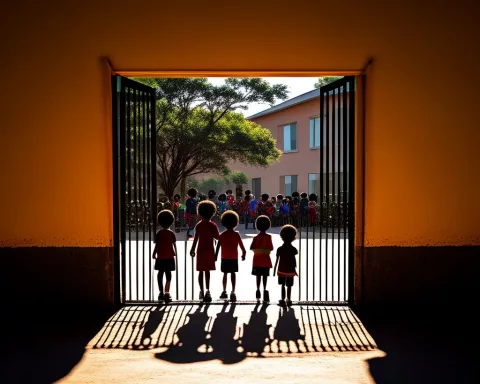
Beneath the layers of political posturing and media coverage, the resettlement remains an intensely personal experience for those involved. At the airport, families said quiet farewells, clutching photographs and possessions that connected them to the land they left behind. One woman, her voice tinged with both sorrow and hope, described her family’s farm outside Potchefstroom: the ochre soil, the sheltering acacia trees, the songs of cicadas at dusk. “I will miss it all,” she confided, “but I want my grandchildren to grow up safe.”
Artists and writers have long explored these themes of exile and reinvention. South African author Breyten Breytenbach, for instance, captured the pain and possibility of displacement in works that blended dreamlike imagery with sharp political insight. Today’s Afrikaner travelers step into that tradition, their lives shaped by the twin forces of loss and the search for renewal in a distant land.
As the world observes this small group’s passage across continents, deeper questions persist. Issues of migration, identity, and power remain unresolved, stirring debate in parliaments and living rooms alike. The Afrikaners boarding their flight at dawn carry more than luggage—they bear histories, hopes, and fears into an unknown future. Their journey is not just a movement from one country to another, but a testament to the enduring complexities of belonging in a divided world.
What was the Afrikaner resettlement and why did it happen?
The Afrikaner resettlement involved 49 Afrikaners leaving South Africa for the United States, sponsored by the Trump administration. This initiative was framed as a response to alleged racial discrimination against South Africa’s white minority, particularly amid contentious debates on land reform and expropriation without compensation. The resettlement highlights broader issues of migration, identity, and political contestation in both countries, reflecting deep historical legacies of displacement and belonging.
How was the resettlement organized and who authorized the departure?
South Africa’s Department of Transport authorized a single chartered flight for the group, following strict protocols involving multiple agencies such as the Department of Home Affairs, Border Management Authority, and the police. Each potential passenger was carefully vetted to ensure no legal issues would impede their travel. This process underscored the political sensitivity surrounding the departure and the symbolic weight of the move for both Afrikaners and South Africans more broadly.
Why did the Trump administration prioritize Afrikaner refugees?
President Trump publicly emphasized the plight of Afrikaners, citing alleged racial discrimination and land dispossession in South Africa. This focus was unusual compared to the broader refugee policies of the administration, which generally limited admissions. The sponsorship of Afrikaner refugees sparked controversy and criticism, as many viewed it as a politically motivated decision that overlooked the complex realities of South Africa’s post-apartheid social transformation.
Where in the United States were the Afrikaners resettled and why?
The Afrikaners were resettled across states including Idaho, Alabama, and Minnesota. These locations have varied histories and political climates: Idaho and Alabama are known for conservative leanings, while Minnesota has a longstanding tradition of welcoming diverse immigrant and refugee communities, including Somali, Hmong, and Ethiopian groups. This geographic dispersal places the Afrikaners within different American contexts, each with unique challenges and opportunities for integration and cultural preservation.
What challenges do Afrikaner migrants face in preserving their culture and identity?
Afrikaners carry a rich cultural heritage rooted in the Afrikaans language and histories of settlement in South Africa. In the U.S., they must balance maintaining this distinct identity with adapting to new social environments. This includes navigating questions of language preservation, community cohesion, and intergenerational transmission of traditions, while also responding to the realities of life in unfamiliar landscapes marked by different racial and cultural dynamics.
How has the Afrikaner resettlement influenced conversations about race, migration, and belonging?
The resettlement reignited debates in both South Africa and the U.S. about privilege, victimhood, and justice. In South Africa, it underscored tensions around land reform and racial inequality, with critics arguing that focusing on white minority concerns obscures ongoing challenges faced by the black majority. In the U.S., it highlighted inconsistencies in refugee policy and raised questions about who qualifies for protection and why. Ultimately, the story of this small group reflects larger global struggles over identity, displacement, and the meaning of home in a divided world.