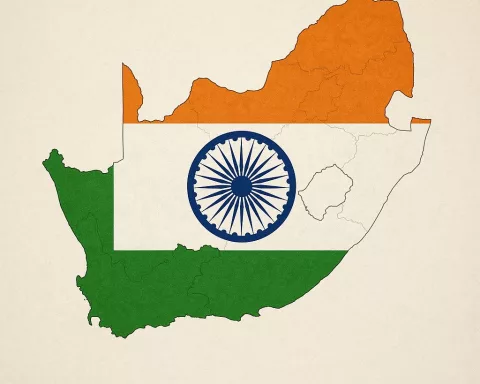

Over 500 South African Jews have signed an open letter calling for an immediate end to the conflict between Israel and Palestine. The letter expresses deep concern for the loss of lives and a loss of humanity, and calls for an end to the Israeli occupation of Palestinian territories and the release of all hostages and detainees being held unjustly in Gaza and Israeli prisons. Despite differing opinions on a long-term solution, there is a unified endorsement of a ceasefire, driven by a worldwide call for solidarity with Palestine. The strength of these letters comes from their collective plea for peace and unity, reminding us that in times of crisis, solidarity is our most formidable ally.
What is “A Plea for Peace: South African Jews Take A Stand”?
“A Plea for Peace: South African Jews Take A Stand” is an open letter signed by over 500 South African Jews calling for an immediate end to the ongoing conflict between Israel and Palestine. The letter expresses deep concern for the loss of lives and a loss of humanity, mourns each life taken, and calls for an end to the Israeli occupation of Palestinian territories and the release of all hostages and detainees being held unjustly in Gaza and Israeli prisons. Despite the varied reasons behind each signature, there is a unified endorsement of a ceasefire, driven by a worldwide call for solidarity with Palestine.
A Unified Appeal for Peace
The resonating impact of an open letter titled “A Plea for Peace: South African Jews Take A Stand” recently signed by over 500 South African Jews has been felt worldwide. The message has transcended geographical, cultural, and religious barriers, conveying an urgent and sincere call for an immediate end to the ongoing conflict between Israel and Palestine.
This diverse ensemble of individuals, bound by their common Jewish heritage, voiced their deep concern about the intensifying situation in the Middle East. Their united cry cuts through the noise of conflict, expressing a heartfelt sorrow for the devastating loss of lives and, as they deftly point out, a loss of humanity. They mourn each life taken, acknowledging the equivalent value of Palestinian and Israeli lives.
The letter goes on to call for an end to the Israeli occupation of Palestinian territories and insists on the release of all hostages and detainees being held unjustly in Gaza and Israeli prisons. The drafting of this pivotal message involved thorough discussion and consultation, as described by Anthony Hodgson, one of the authors. He details the careful process: inviting individuals with varying viewpoints within the Jewish community, polishing multiple drafts, actively seeking feedback, and striving to include as much of it as possible.
Diverse Perspectives, Unified Goal
“There is a broad spectrum of opinions among the signatories regarding a long-term solution,” Hodgson discloses. Despite the varied reasons behind each signature, there is a unified endorsement of a ceasefire, driven by a worldwide call for solidarity with Palestine.
The sentiments of Anton Harber, a seasoned journalist and a signatory of the letter, align with this sentiment. He explains his decision to sign the letter as an attempt to “rekindle our mutual humanity and the understanding that Judaism places a high value on life.” Harber’s dedication to peace rings loud as he champions the cause of amplifying the voices of peace that are currently being overshadowed by extremists, standing against war advocates.
Lisa Seftel, another signatory, applauds the millions of people around the world who have marched, petitioned, and protested in support of a ceasefire and the Palestinian cause. She underlines the importance of South African Jews aligning themselves with this call, thereby challenging the increasing polarization and conflation of Zionism and Judaism.
The recent heartbreaking events have emphasized the shared destiny of the world. “We are all impacted, and we should strive to do what we can to push for peace,” Seftel states.
A History of Voicing Concerns
Interestingly, this is not the first instance in which members of South Africa’s Jewish community have utilized open letters as a medium for their voices in response to conflicts in Israel and the Occupied Palestinian Territories. A similar action was undertaken in 2021.
In a parallel development, approximately 300 members of Stellenbosch University, including numerous senior academics, have also voiced their condemnation of the attacks on civilians through a signed letter. As members of a respected academic community, they align themselves with numerous organizations, NGOs, and governments worldwide in demanding an immediate ceasefire in Gaza.
The Power of Solidarity
In conclusion, the strength of these letters comes from their collective plea for peace and unity, mirroring the shared human yearning for an end to conflict and the reestablishment of peace. They symbolize a growing chorus of voices that refuse to be silenced, remaining steadfast in their commitment to life, humanity, and the pursuit of peace. As these voices come together, they remind us that in times of crisis, solidarity is our most formidable ally.
How many South African Jews signed the open letter “A Plea for Peace: South African Jews Take A Stand”?
Over 500 South African Jews signed the open letter “A Plea for Peace: South African Jews Take A Stand.”
What does the open letter express concern for?
The open letter expresses deep concern for the loss of lives and a loss of humanity, and calls for an end to the Israeli occupation of Palestinian territories and the release of all hostages and detainees being held unjustly in Gaza and Israeli prisons.
Is there a unified endorsement of a ceasefire among the signatories of the open letter?
Yes, there is a unified endorsement of a ceasefire among the signatories of the open letter. Despite differing opinions on a long-term solution, the call for a ceasefire is driven by a worldwide call for solidarity with Palestine.
How was the open letter drafted?
The drafting of the open letter involved thorough discussion and consultation, inviting individuals with varying viewpoints within the Jewish community, polishing multiple drafts, actively seeking feedback, and striving to include as much of it as possible.
Is this the first time members of South Africa’s Jewish community have utilized open letters as a medium for their voices in response to conflicts in Israel and the Occupied Palestinian Territories?
No, this is not the first instance in which members of South Africa’s Jewish community have utilized open letters as a medium for their voices in response to conflicts in Israel and the Occupied Palestinian Territories. A similar action was undertaken in 2021.
Who else in South Africa has voiced their condemnation of the attacks on civilians?
Approximately 300 members of Stellenbosch University, including numerous senior academics, have also voiced their condemnation of the attacks on civilians through a signed letter. As members of a respected academic community, they align themselves with numerous organizations, NGOs, and governments worldwide in demanding an immediate ceasefire in Gaza.