Cape Town’s municipal authorities have introduced a ground-breaking pilot project to combat the issue of waste management in community residential units (CRUs). The initiative aims to tackle the problem of overflowing bins and illegal dumping that often plague areas inhabited by backyard tenants. The ultimate goal of the project is to improve community health and cleanliness.
The Current Waste Management System and Its Challenges
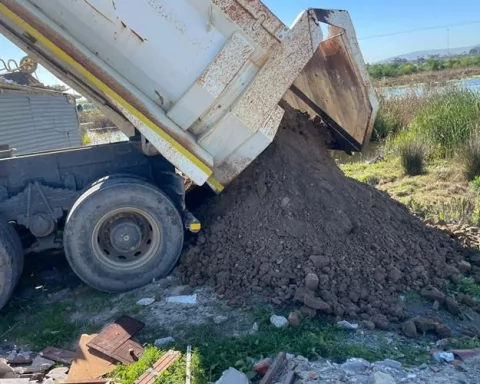
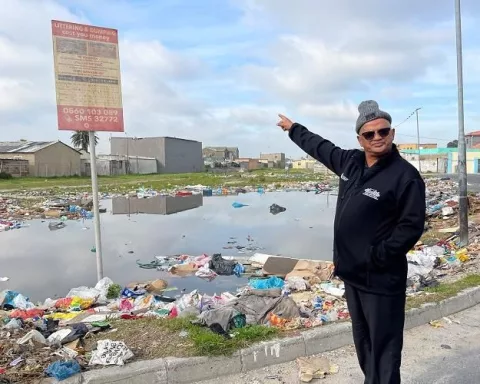
In the current waste management system in Cape Town, each CRU household receives a single 240L wheelie bin, which is collected once a week. However, as these properties often serve as homes for backyard dwellers, the bins tend to fill up rapidly, even before the scheduled pick-up. This leads to waste being dumped in nearby areas, resulting in illegal dumping and unsanitary conditions in these neighborhoods.
The Pilot Project: A New Solution for Backyard Residences
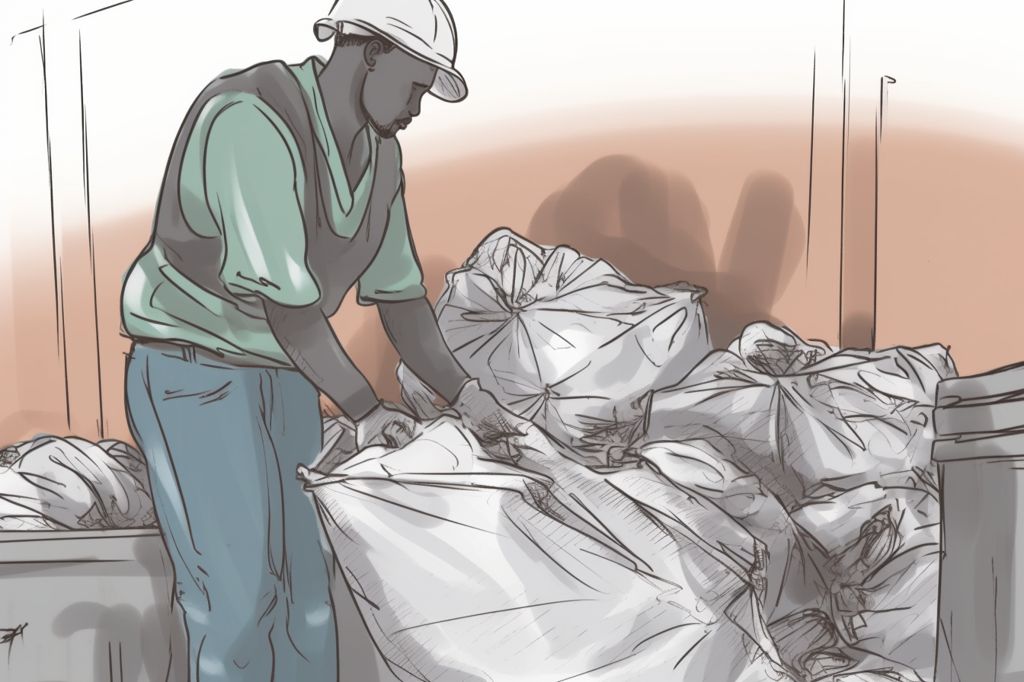
To address this issue, the project involves providing backyard residences with two moisture-controlled bags to store their waste. These bags are designed to be more space-efficient and easier to manage than traditional wheelie bins. They are collected by small, light-duty vehicles known as the “Bakkie Brigade.” The waste collectors then separate recyclables before disposing of the remaining refuse at designated landfills.
By providing these additional waste storage options and more frequent waste collection services, the pilot project aims to mitigate the problem of overflowing bins and illegal dumping, ultimately leading to cleaner and healthier communities.
Project Implementation and Potential Expansion
Upon completion of the project, authorities will conduct a cost/benefit analysis to determine its potential for broader implementation in other CRUs across Cape Town. Currently, the pilot is being tested in several neighborhoods, including Bishop Lavis, Grassy Park, Gugulethu, Scottsville, Lwandle, Adriaanse, Ravensmead, Scottsdene, Hanover Park, Bellville South, Manenberg, Langa, Mfuleni, Nyanga, Macassar, Heideveld, Ocean View, Retreat, Parkwood, Leonsdale, Atlantis, Dura Flats, and Bonteheuwel.
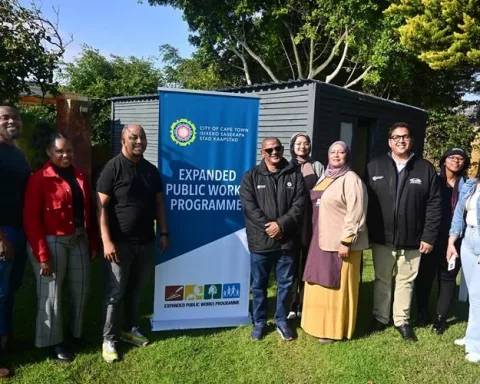
To support the Bakkie Brigade, the project will select two community-based vendors per sub-council, provided they meet specific criteria. These criteria include being Black-owned, registered with the sub-council, and having a turnover of less than R3 million. In total, service providers will hire up to 300 Expanded Public Works Programme (EPWP) workers to execute the project.
The Future of Waste Management in Cape Town
Alderman Grant Twigg, Mayoral Committee Member for Urban Waste Management, is optimistic that the pilot initiative will positively impact both illegal dumping rates and community health. He encouraged beneficiaries to take advantage of the service and see the transformation in their neighborhoods. The project is part of a larger program aimed at understanding the factors behind illegal dumping and finding effective solutions to curb the practice. According to Twigg, “it cannot be business as usual” with the city’s current dumping situation.
As the pilot project progresses and officials evaluate its success, Cape Town residents can look forward to improved waste management practices and a cleaner, healthier future for their neighborhoods.