A major operation against counterfeit trading in Johannesburg led to the confiscation of goods worth R13 million and the arrest of five suspects. The operation dismantled a secret manufacturing and storage facility and seized over 18,000 counterfeit items. This successful operation shows the agencies’ relentless efforts to protect consumers and preserve economic prosperity.
A Turning Point in Johannesburg: Major Operation Against Counterfeit Trading
In a landmark operation in Johannesburg, South Africa, the South African Police Service (SAPS) and other teams confiscated counterfeit goods worth R13 million and arrested five suspects. The operation, based on actionable intelligence, disrupted the counterfeit industry’s operations by dismantling a secret manufacturing and storage facility and seizing over 18,000 phony items. This successful operation is a reminder of the global fight against counterfeit goods and demonstrates the agencies’ relentless efforts to protect consumers and preserve economic prosperity.
Unveiling the Operation
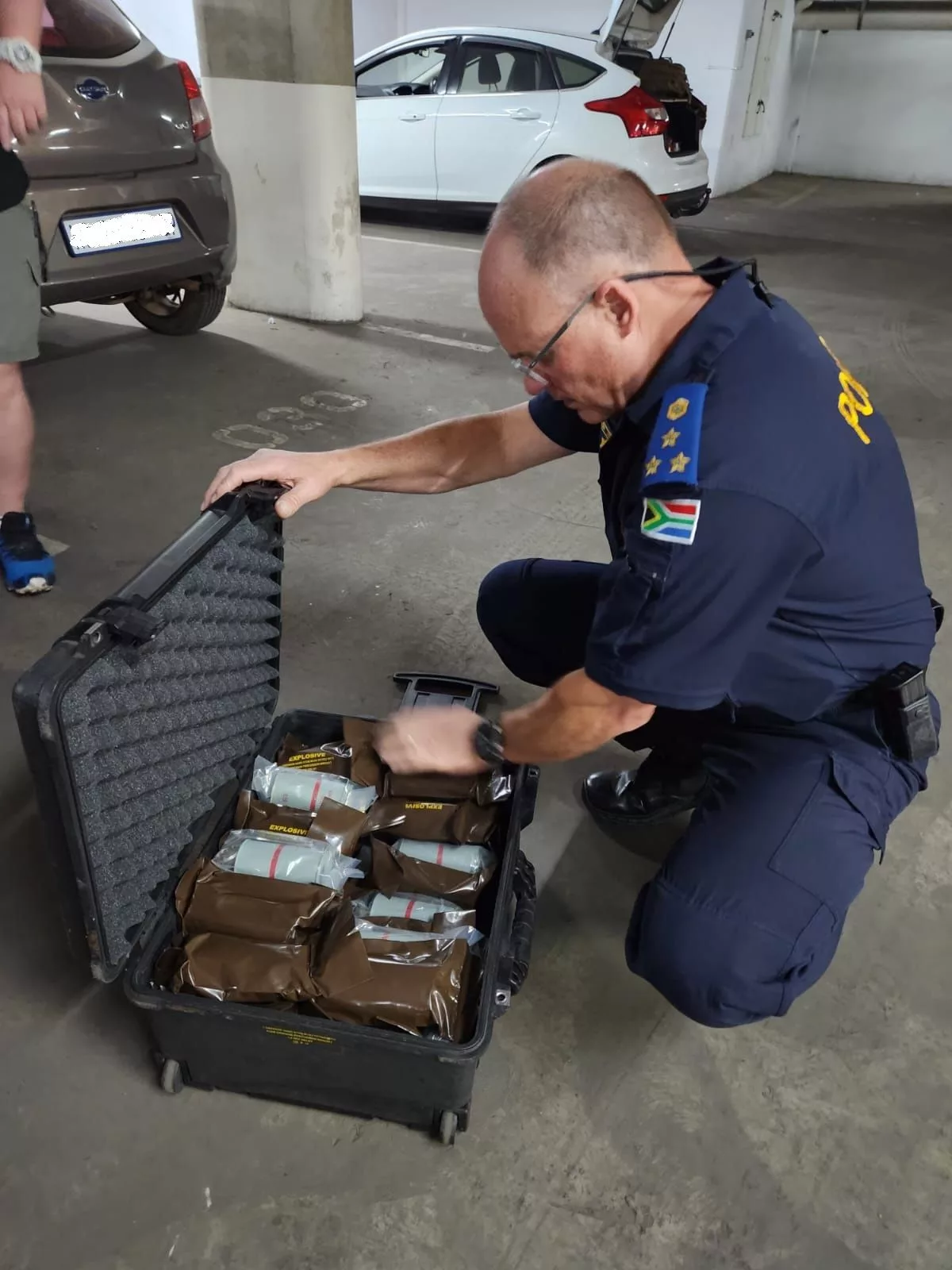
In Johannesburg, South Africa, a pivotal operation unfolded, indicating a substantial advance in the fight against illegal counterfeit trading. The South African Police Service (SAPS), along with a variety of teams, organized and implemented a thorough operation. This led to the confiscation of counterfeit commodities worth an astonishing R13 million, as well as the capture of five suspects.
The shadowy market of counterfeit goods isn’t a harmless offense. It presents a grave peril to a nation’s financial growth and wealth. It’s a growing issue that gradually undermines the income of various sectors of the economy, from producers to retailers, and ultimately to the consumers. In South Africa, like elsewhere, this insidious crime has been on the radar of legal enforcement bodies.
The Johannesburg operation, keenly strategized and executed, had SAPS working in tandem with personnel from numerous units, officials from the South African Revenue Services (SARS), brand protection agencies, and security companies. These entities banded together, demonstrating a unified front. The operation was based on actionable intelligence, leading the team to three pinpointed locations in the Johannesburg Central Business District (CBD).
The Bust and Its Impact
The operation’s outcome was not only a monetary setback to the counterfeit industry but also a substantial disruption in its operations. Over 18,000 phony items, comprising of clothing, footwear, bags, caps, and watches, were confiscated. If these goods had been dispersed into the market, they would have significantly undercut the income of legitimate businesses and potentially posed a danger to consumers.
But the operation didn’t end with the confiscation of forged goods. The team also took apart a covert manufacturing and storage facility, effectively breaking the supply chain. This facility was the nerve center of the operation, from where the counterfeit goods were allocated to stores within and around Johannesburg.
Within this hidden epicenter of unlawful activities, the police seized a significant amount of counterfeit goods. Of special note was the confiscation of a computer hard drive, silk screening, and laser cutting machines. These machines, vital to the operation, played a key role in the production of counterfeit goods.
Arrests and Their Implications
The five suspects, without documentation and now embroiled in a sea of legal issues, are slated to appear before the Johannesburg Magistrates’ Court shortly. Their apprehension sends an unmistakable signal to those involved in the counterfeit business – legal enforcement bodies are on their toes and will tirelessly pursue justice.
The Johannesburg operation is a powerful reminder of the worldwide battle against the trade in counterfeit goods. It’s an operation that resonates with the stance of law enforcement agencies globally – to defend economic growth and protect consumers from the potential threats posed by counterfeit goods.
The confiscation of these goods, the dismantling of a covert manufacturing facility, and the arrest of key suspects, all speak volumes about the relentless efforts of the South African agencies to suppress illegal trade. It’s these endeavors, and operations of this kind, that underscore the nation’s dedication to preserving its economic prosperity and protecting its citizens.
While the battle against counterfeit goods is far from concluded, operations like these are crucial leaps forward. They bear testament to the effectiveness of integrated operations and serve as a deterrent to those contemplating involvement in this unlawful trade.
Ultimately, the struggle against counterfeit goods isn’t just a quest to safeguard revenue or businesses. It’s about maintaining the integrity of an economy, ensuring the safety of consumers, and promoting the overall welfare of society. In this struggle, every operation, every confiscation, and every arrest counts.
What was the value of the counterfeit goods confiscated in the Johannesburg operation?
The Johannesburg operation led to the confiscation of counterfeit goods worth R13 million.
How many suspects were arrested in the Johannesburg operation against counterfeit trading?
Five suspects were arrested in the Johannesburg operation against counterfeit trading.
What types of counterfeit items were confiscated during the Johannesburg operation?
Over 18,000 counterfeit items were seized during the Johannesburg operation, which included clothing, footwear, bags, caps, and watches.
What agencies were involved in the Johannesburg operation against counterfeit trading?
The South African Police Service (SAPS) worked in conjunction with personnel from numerous units, officials from the South African Revenue Services (SARS), brand protection agencies, and security companies in the Johannesburg operation.
What was the impact of the Johannesburg operation on the counterfeit industry?
The Johannesburg operation disrupted the counterfeit industry’s operations by dismantling a secret manufacturing and storage facility and breaking the supply chain, thereby undercutting the income of legitimate businesses and potentially posing a danger to consumers.
What is the significance of the Johannesburg operation in the fight against counterfeit goods?
The Johannesburg operation is a powerful reminder of the worldwide battle against the trade in counterfeit goods and highlights the relentless efforts of the South African agencies to suppress illegal trade, defend economic growth, and protect consumers from potential threats posed by counterfeit goods.