The Saudi Arabian Grand Prix has been moved to Saturday, March 9th, due to the start of the Islamic holy month of Ramadan, which begins on Sunday, March 10th. This change follows FIA regulations and allows for a full week-long gap between Grands Prix. The alteration also accommodates the global audience, making it more convenient for international fans to watch the race. The Jeddah Corniche Circuit, which will be hosting the Grand Prix, is ready for the second race in a 24 race season, promising a thrilling race under the Arabian night sky.
The Saudi Arabian Grand Prix has been rescheduled from Sunday to Saturday, March 9, for the 2024 Formula One season due to the start of the Islamic holy month of Ramadan. This scheduling change is in line with FIA regulations and allows for a full week-long gap between Grands Prix. The move also accommodates the global audience, making it more convenient for international fans to watch the race.
A Break from Tradition: Saturday Night Racing
The Saudi Arabian Grand Prix, the second race of the 2024 Formula One season, has taken an unexpected turn. Originally scheduled for Sunday, the race has been rescheduled to Saturday, 9 March, deviating from the norm. This change results from the commencement of the Islamic holy month of Ramadan, which begins on the next day, Sunday, 10 March. This alteration signifies not only a respect for cultural and religious customs but also showcases the adaptability of global sporting events.
The decision to reschedule was not made lightly. It adheres to the FIA regulations that enforce a full week-long gap between Grands Prix. As a result, the inaugural round in Bahrain has also embraced the revised schedule, setting off a sequence of Saturday races. This adjustment does not apply exclusively to the Saudi Arabian Grand Prix. The Las Vegas Grand Prix, which re-entered the Formula One calendar last year, is also slated to occur on a Saturday, 23 November.
A Nod to the Global Audience: The Reasoning Behind the Changes
The reasoning for the Saturday racing in Las Vegas is to accommodate the global audience. The F1 fanbase is vast and geographically diverse, and the differences in time zones can pose a significant challenge for enthusiasts around the world. By scheduling races on Saturdays, it enables a more comfortable viewing experience for international fans, reflecting the sport’s dedication to its diverse, global audience.
The Stage is Set: The Jeddah Corniche Circuit
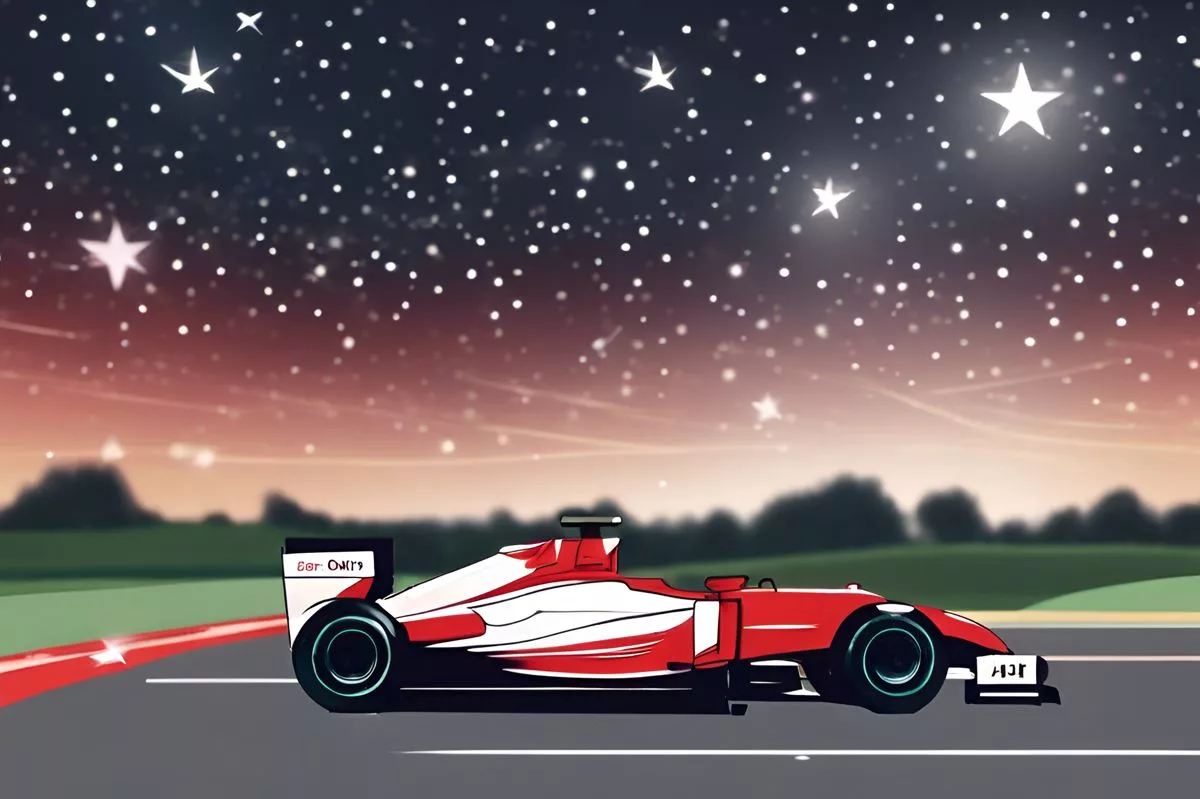
The Jeddah Corniche Circuit, which will be hosting the Saudi Arabian Grand Prix, is all set for the second race in a record season of 24 races. The starting lights are set to turn off at 19:00 (SA time), commencing an enthralling race under the Arabian night sky. Recollections of last year’s race, in which Red Bull’s Sergio Perez emerged victorious, followed by Max Verstappen and Aston Martin’s Fernando Alonso, contribute to the heightened anticipation of this year’s event.
A Riveting Lineup: The Starting Grid
This year’s starting grid is as, if not more, thrilling as the race itself. Verstappen, who narrowly missed the top spot last year, will be starting from the pole position, joined by Ferrari’s Charles Leclerc and Perez. The second row features Perez and Alonso, setting a thrilling pace for the beginning of the race. The following rows host a blend of experienced and emerging drivers, promising a nail-biting competition.
An Exciting Narrative: The Saudi Arabian Grand Prix
The Saudi Arabian Grand Prix presents a compelling storyline of unanticipated scheduling, diverse global considerations, and exhilarating racing prospects. The unique fusion of racing under the stars, the cultural depth of Saudi Arabia, and the passion of Formula One racing, merge to create a captivating spectacle. This buzz is further amplified by the potential earnings from Betway’s Aviator, offering payouts of up to 20,000x your bet.
As the lights dim and the engines vibrate with life, fans across the globe will be riveted to their screens, entranced by the high-speed drama that will unfold on the Jeddah Corniche Circuit. The drivers, in their cutting-edge vehicles, will vie not just for the coveted podium spots but also for the adoration of millions of fans worldwide. Evidently, the 2024 Formula One season has kicked off in a thrilling and unpredictable manner, forecasting a season brimming with surprise, excitement, and high-powered action.
1. Why was the Saudi Arabian Grand Prix rescheduled for 2024?
The Saudi Arabian Grand Prix was rescheduled from Sunday to Saturday, March 9th, due to the start of the Islamic holy month of Ramadan, which begins on Sunday, March 10th. This change follows FIA regulations and allows for a full week-long gap between Grands Prix.
2. Why is the Las Vegas Grand Prix also scheduled on a Saturday?
The Las Vegas Grand Prix is also scheduled on a Saturday to accommodate the global audience. By scheduling races on Saturdays, it enables a more comfortable viewing experience for international fans, reflecting the sport’s dedication to its diverse, global audience.
3. What is the Jeddah Corniche Circuit?
The Jeddah Corniche Circuit is the race track that will be hosting the Saudi Arabian Grand Prix. It is ready for the second race in a 24-race season, promising a thrilling race under the Arabian night sky.
4. Who is starting at pole position for the Saudi Arabian Grand Prix?
Max Verstappen is starting at pole position for the Saudi Arabian Grand Prix, followed by Ferrari’s Charles Leclerc and Sergio Perez.
5. Why is the Saudi Arabian Grand Prix a compelling storyline?
The Saudi Arabian Grand Prix presents a compelling storyline due to the unanticipated scheduling, diverse global considerations, and exhilarating racing prospects. The unique fusion of racing under the stars, the cultural depth of Saudi Arabia, and the passion of Formula One racing merge to create a captivating spectacle.
6. What potential earnings are offered by Betway’s Aviator for the Saudi Arabian Grand Prix?
Betway’s Aviator is offering payouts of up to 20,000x your bet for the Saudi Arabian Grand Prix.