The Identikidz project in Cape Town provides waterproof wristbands with unique numbers to children at beaches, which are logged with the child’s name, guardian’s name, and contact details. This creates a protective web around each participant and connects the child to their guardian even in busy beaches and crowded coasts. Since its launch in December 2023, the project has tagged over 85,916 children and facilitated 263 reunions, demonstrating the community’s embrace of the project and their shared dedication to child safety. The project will expand to even more beaches in January 2024.
What is the Identikidz project?
The Identikidz project is a community-driven initiative launched in Cape Town that provides waterproof wristbands with unique numbers to children at beaches. The number is logged together with the child’s name, guardian’s name, and contact details, creating a protective web around each participant and connecting the child to their guardian even in busy beaches and crowded coasts. The project has been successful, with over 85,916 children tagged and 263 facilitated reunions as of January 1st, 2024.
A New Approach to Child Safety
With the mercury rising and the academic year drawing near, Cape Town’s beaches are playing host to a unique venture designed to safeguard children. The Identikidz project, a community-driven effort geared towards ensuring children are safe as they relish the pleasures of the beach, has swiftly become an integral aspect of the city’s summer pastimes.
Having launched in mid-December 2023, the project has resonated across the city’s beaches like the gentle lapping of waves from the adjacent Atlantic and Indian Oceans. The project’s goal, although straightforward, is deeply impactful: to create a safer environment for children at beaches. The key to achieving this objective lies in a unique, waterproof wristband system connecting each child to their guardian.
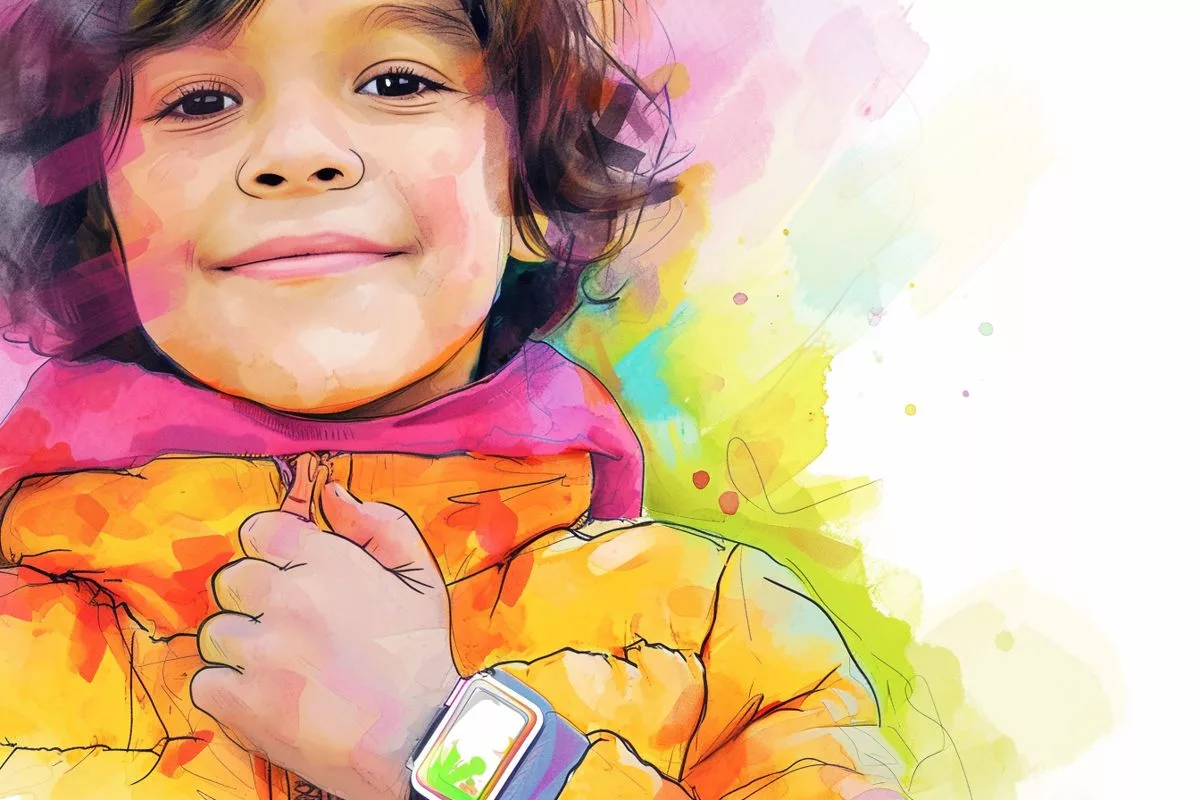
Every child enrolled in the programme receives a wristband with a distinct number. The project logs this number together with the child’s name, the guardian’s name, and contact details. Thus, the project forms a protective web around each participant, linking the child to their guardian, even in the midst of busy beaches and crowded coasts.
The Impact: A Widespread Embrace Of Safety Measures
Over a single weekend, the project managed to tag over 18,500 children. Strand Beach noted the highest count of tagged children at 2,746, closely trailed by Strandfontein, Mnandi, and Muizenberg beaches. This figure is remarkable, demonstrating the community’s embrace of the project and their shared dedication to child safety.
The triumph of the Identikidz project extends beyond the tally of wristbands. It is marked by the stories of 18 lost children who were successfully reunited with their guardians over the same weekend. These individual tales of prompt reunions represent the real victories of the project, showcasing its practical effectiveness and significance.
Moreover, the project’s popularity has escalated since its inception. Over the Christmas long weekend, more than 12,000 children were tagged on Muizenberg, Strand, and Strandfontein beaches alone. The New Year’s long weekend noted a remarkable 36,959 children tagged, with 198 children reunited with their guardians. As of 1st January 2024, a total of 85,916 children have been tagged, leading to 263 facilitated reunions.
Acknowledgements and Future Plans
The Identikidz project’s influence was succinctly summarized by Patricia Van der Ross, the City’s MMC for Community Services and Health. She expressed gratitude for the project’s success and its contribution towards a safer environment for children. Beachgoers are urged to avail of the project’s services, adhering to safety protocols to ensure an enjoyable and secure beach outing.
The City of Cape Town has stated that the Identikidz project will persist over the forthcoming weekends in January 2024, expanding its reach to even more beaches. The roster includes popular locations like Big Bay, Camps Bay, Fish Hoek, Gordon’s Bay, Harmony Park, Melkbosstrand, Milnerton Beach, Mnandi, Monwabisi, Muizenberg, Sea Point, Silwerstroom, Strand, and Strandfontein.
In conclusion, the Identikidz project, with its innovative fusion of community participation, practical safety protocols, and child care, adds a dimension of safety and security to the allure of Cape Town’s beaches. The project’s success signifies the potential of community-led initiatives to instigate positive change and assure child safety, all while retaining the fun and independence of beach activities.
1. What is the Identikidz project?
The Identikidz project is a community-driven initiative in Cape Town that provides waterproof wristbands with unique numbers to children at beaches, which are logged with the child’s name, guardian’s name, and contact details. This creates a protective web around each participant and connects the child to their guardian even in busy beaches and crowded coasts.
2. How does the Identikidz project work?
Every child enrolled in the Identikidz project programme receives a wristband with a distinct number. The number is logged together with the child’s name, the guardian’s name, and contact details. This creates a protective web around each participant, linking the child to their guardian even in the midst of busy beaches and crowded coasts.
3. How successful has the Identikidz project been?
Since its launch in December 2023, the Identikidz project has tagged over 85,916 children and facilitated 263 reunions, demonstrating the community’s embrace of the project and their shared dedication to child safety. Over the Christmas long weekend, more than 12,000 children were tagged on Muizenberg, Strand, and Strandfontein beaches alone. The New Year’s long weekend noted a remarkable 36,959 children tagged, with 198 children reunited with their guardians.
4. What impact has the Identikidz project had on child safety?
The Identikidz project has had a significant impact on child safety at Cape Town’s beaches. Over the course of a single weekend, the project managed to tag over 18,500 children, with 18 lost children successfully reunited with their guardians. The project has expanded to even more beaches in January 2024, including popular locations like Big Bay, Camps Bay, Fish Hoek, Gordon’s Bay, Harmony Park, Melkbosstrand, Milnerton Beach, Mnandi, Monwabisi, Muizenberg, Sea Point, Silwerstroom, Strand, and Strandfontein.
5. Who is behind the Identikidz project?
The Identikidz project is a community-driven initiative launched in Cape Town that aims to provide a safer environment for children at beaches. The project has been successful due to the community’s embrace of the project and their shared dedication to child safety.
6. What are the future plans for the Identikidz project?
The Identikidz project will persist over the forthcoming weekends in January 2024, expanding its reach to even more beaches in Cape Town. The project aims to continue providing a safer environment for children at beaches and assuring child safety, all while retaining the fun and independence of beach activities.