
After ten days of heavy rain, the city’s streets turned slippery and dangerous, leading to hundreds of car crashes and pedestrian accidents. Emergency teams worked nonstop to help those in trouble, while police made many arrests and issued thousands of tickets to keep order. The rain showed how easily life in a busy city can be shaken, reminding everyone that safety needs teamwork – from drivers, law enforcement, planners, and the public. As the skies clear, the city learns to be more prepared and careful, ready to face future storms together.
How does heavy rain impact city safety and urban life?
Heavy rain increases city accidents, disrupts traffic, and challenges urban infrastructure. It leads to more vehicle crashes, pedestrian injuries, and emergency responses. Effective safety measures include vigilant driving, law enforcement, advanced technology, and public awareness to reduce risks and maintain urban order during storms.
A City Under Water: Accidents and the Weight of Statistics
For ten relentless days, the city endured a downpour that transformed its roads and sidewalks into treacherous surfaces. The rain arrived with a sense of inevitability, pooling in gutters, obscuring lane markers, and bringing with it an uptick in danger. In the span from Friday, June 27 to Sunday, July 6, the City’s Fire and Rescue Service raced to 236 different accident scenes. These incidents, far from being mere numbers, marked moments of distress, disruption, and sometimes tragedy for many city dwellers.
Automobile accidents made up the majority with 162 cases, while pedestrians suffered in 74 other incidents. Yet, officials concede these numbers only tell part of the story. Not every incident makes it to centralized reporting systems – minor crashes settled at the curb by shaken drivers, or slight injuries that never warrant a call for help, disappear into the city’s collective memory, leaving only faint traces behind.
Beneath these figures lies a network of disrupted commutes, startled conversations, and families called unexpectedly to emergency rooms. Each event is a reminder: nothing in the city’s daily routine is guaranteed, especially when nature asserts itself so forcefully. The rain, in this instance, did more than inconvenience; it exposed how thin the line between order and chaos can be on the city’s streets.
The Pace of Progress: Urban Movement, Weather, and Human Error
Modern urban life never seems to slow, not even for the weather. The city’s infrastructure, designed for efficiency and speed, collides with basic human limitations when roads become slick and visibility shrinks. Historian Lewis Mumford once called cities “machines for living,” but even the most finely tuned machine falters under stress. Rainfall, so common and expected, can outwit even the most experienced drivers and cautious pedestrians.
Alderman JP Smith, representing Safety and Security, urges all citizens to adapt their habits to these conditions. His appeals serve as both advice and warning: the emotional and financial costs of accidents stretch far beyond the initial moment of impact. Even a minor fender-bender ripples outward – causing congestion, frayed tempers, and lost time for hundreds.
This is not a new story. For as long as cities have existed, weather has shaped their rhythms. Painters of the past immortalized rain-soaked cityscapes – glossy streets, hurried figures, and the challenge of movement under a wet sky. Today, the city’s drama is played out in a new setting of steel, glass, and asphalt, but the themes remain unchanged: vulnerability, haste, and the constant negotiation with unpredictable elements.
Vigilance and Law: Enforcement on the Front Lines
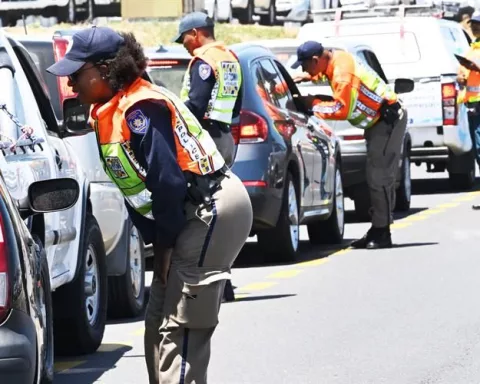
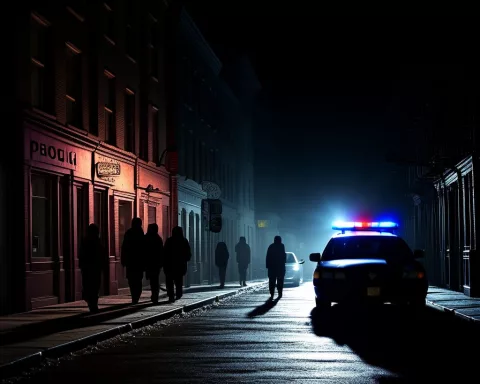
While first responders managed emergencies, the city’s law enforcement agencies remained equally active. Their efforts reveal a city bustling with energy, but also teetering on the edge of disorder. Over just one week, officers made at least 183 arrests and documented more than 26,000 traffic and by-law violations. These numbers hint at the daily contest between civic order and the ever-present temptation to cut corners or break rules.
Officers issued 3,276 notices for a variety of offenses, from parking violations to more serious breaches of public safety. In areas like Tafelsig, Beacon Valley, and Crossroads, they confiscated firearms, each one likely removing a potential tragedy from the streets. These actions, though routine to those in uniform, are essential in maintaining a sense of security for the wider community.
The work of enforcement is painstaking and repetitive, yet crucial. Officers must balance firmness with sensitivity, recognizing that behind every citation is a person with a story. Their presence serves both as a deterrent and a reassurance, signaling that the city does not surrender to disorder, even as it contends with weather, traffic, and the unpredictable moments that define urban life.
Traffic officers, meanwhile, maintained steady pressure on the roads. They recorded 21,188 offences, impounded 229 public transport vehicles, and executed 1,319 arrest warrants. The Metro Police added to these efforts, arresting 70 suspects and issuing 1,742 traffic and by-law notices in the same period. Together, these actions highlight a collective commitment to keep the city functioning, even under challenging circumstances.
Lives Disrupted: The Hidden Impact of Accidents
Behind every crash statistic, there is a deeply personal story – an interrupted journey, a moment of fear, a cascade of unforeseen consequences. Picture the pedestrian braving a windy intersection, hood drawn tight, only to misjudge a crossing and become another tally in the city’s accident report. Or the commuter whose daily drive home transforms, in an instant, into a scene of flashing lights and anxious phone calls.
For many, even minor accidents leave lasting scars. Some drivers, after a collision, find themselves battling anxiety or second-guessing every turn. Mental health professionals often note spikes in stress, insomnia, and even trauma responses after such incidents, particularly among children or those already vulnerable. The ripples spread out: families rearrange routines, employers cope with unexpected absences, and social services may need to intervene.
The city’s emergency crews meet these moments with professionalism and empathy. Their swift actions minimize harm, but cannot erase the emotional aftermath. Each incident serves as a reminder of the city’s interconnectedness – a single misstep, and the effects are felt far beyond the site of impact.
Facing Forward: Planning, Technology, and Cultural Change
In response to these challenges, the city has invested in both traditional enforcement and modern technology. Advanced safety features – anti-lock brakes, electronic stability control, and collision warning systems – have become standard in many vehicles, offering drivers a safety net that did not exist a generation ago. Traffic management systems now use data analytics to anticipate congestion and deploy resources where needed most.
Yet, technology alone cannot resolve the deeper issues. Human behavior remains at the heart of most accidents, whether it’s the lure of speed, the distraction of a mobile phone, or the impatience that leads someone to risk a red light. Public awareness campaigns encourage safer behavior, especially during hazardous weather, and schools increasingly make road safety a key part of their curriculum.
Urban planners continue to refine the city’s infrastructure, improving signage, upgrading crossings, and devising new ways to protect pedestrians. The work is ongoing, and success depends on a partnership between officials, designers, and the public. A safer city emerges not just from enforcement, but from a culture that values caution as much as convenience.
Reflections as the Skies Clear
Once the rain ceases and sunlight dries the streets, the city’s familiar rhythms slowly return. But the experiences of those ten days – crashes, rescues, arrests, and avoidable close calls – remain in the public mind and official record. City leaders, first responders, and ordinary citizens all carry lessons forward: the importance of vigilance, the unyielding presence of risk, and the value of actions taken to protect one another.
The numbers from this single week serve as both a warning and a call to action. They remind us that urban life, though complex and imperfect, offers opportunities for improvement. Through concerted effort – better policies, smarter design, and greater personal responsibility – the city can weather future storms more safely, ensuring that each new day brings not just the promise of routine, but a renewed commitment to collective well-being.
FAQ: After the Rain – City Safety, Crisis, and Urban Life
1. How did the heavy rain affect city safety during the ten-day period?
The prolonged heavy rain made city streets slippery and hazardous, leading to hundreds of accidents – 162 automobile crashes and 74 pedestrian incidents recorded by emergency services. The rain caused reduced visibility, obscured road markings, and flooded areas, increasing the risk of collisions and injuries. It also disrupted traffic flow and emergency response efforts, highlighting the fragility of urban safety during extreme weather.
2. What role did law enforcement play during this crisis?
Law enforcement agencies worked tirelessly to maintain order amid the chaos. Over one week, police made at least 183 arrests, issued over 26,000 traffic and by-law violation notices, and confiscated firearms in high-risk neighborhoods. Traffic officers recorded more than 21,000 offenses, impounded 229 public transport vehicles, and executed 1,319 arrest warrants. Their presence was key to deterring dangerous behaviors and ensuring public safety despite challenging conditions.
3. Beyond physical injuries, what other impacts do city accidents have on residents?
Accidents often cause emotional and psychological distress, including anxiety, trauma, and disrupted routines for victims and their families. Many drivers experience heightened stress and hesitation post-collision, and vulnerable groups such as children may suffer lasting mental health effects. These personal stories underline the broader social and economic ripple effects of urban accidents, affecting workplaces, families, and healthcare systems.
4. How is the city preparing to better handle future storms and improve safety?
The city is adopting a multifaceted approach: upgrading infrastructure, improving traffic signage and pedestrian crossings, and investing in technology like data-driven traffic management systems and advanced vehicle safety features (e.g., anti-lock brakes and collision warnings). Public awareness campaigns and road safety education in schools aim to encourage safer behavior, while urban planners work to design a more resilient and pedestrian-friendly environment.
5. What can residents do to contribute to city safety during heavy rain or storms?
Residents can help by adjusting their habits – driving more cautiously, reducing speed, avoiding distractions like mobile phones, and obeying traffic laws. Pedestrians should use designated crossings and be extra vigilant when visibility is low. Cooperation with law enforcement and participation in community safety programs also strengthen collective resilience. Ultimately, safety is a shared responsibility among drivers, pedestrians, officials, and planners.
6. Why is teamwork important in maintaining urban safety during crises?
Urban safety depends on coordinated efforts between multiple stakeholders: emergency responders manage immediate incidents; law enforcement enforces rules to prevent chaos; planners enhance infrastructure; and the public adopts safer behaviors. The recent rainstorm demonstrated how fragile city order can become when any part of this system falters. Working together ensures quicker responses, fewer accidents, and a stronger, more prepared city able to withstand future challenges.