Criminals in South Africa are using innovative tactics to rob motorists, including placing ropes, spikes, and rocks across roads to trip motorcyclists and rob them, as well as placing objects like clothing and rocks on roads to imitate human figures and trick vehicles into stopping. Law enforcement has responded by warning motorists not to stop for road obstructions and to drive cautiously to the nearest petrol or police station. The situation demands creative strategies and a united commitment to ensuring public safety.
An emerging crime trend in South Africa involves criminals placing ropes, spikes, and rocks across roads to trip motorcyclists and rob them. Criminals are also placing objects like clothing and rocks on roads to imitate human figures and trick vehicles into stopping. Law enforcement advises motorists not to stop for road obstructions and to drive cautiously to the nearest petrol station or police station. The situation demands creative strategies and a united commitment to ensuring public safety.
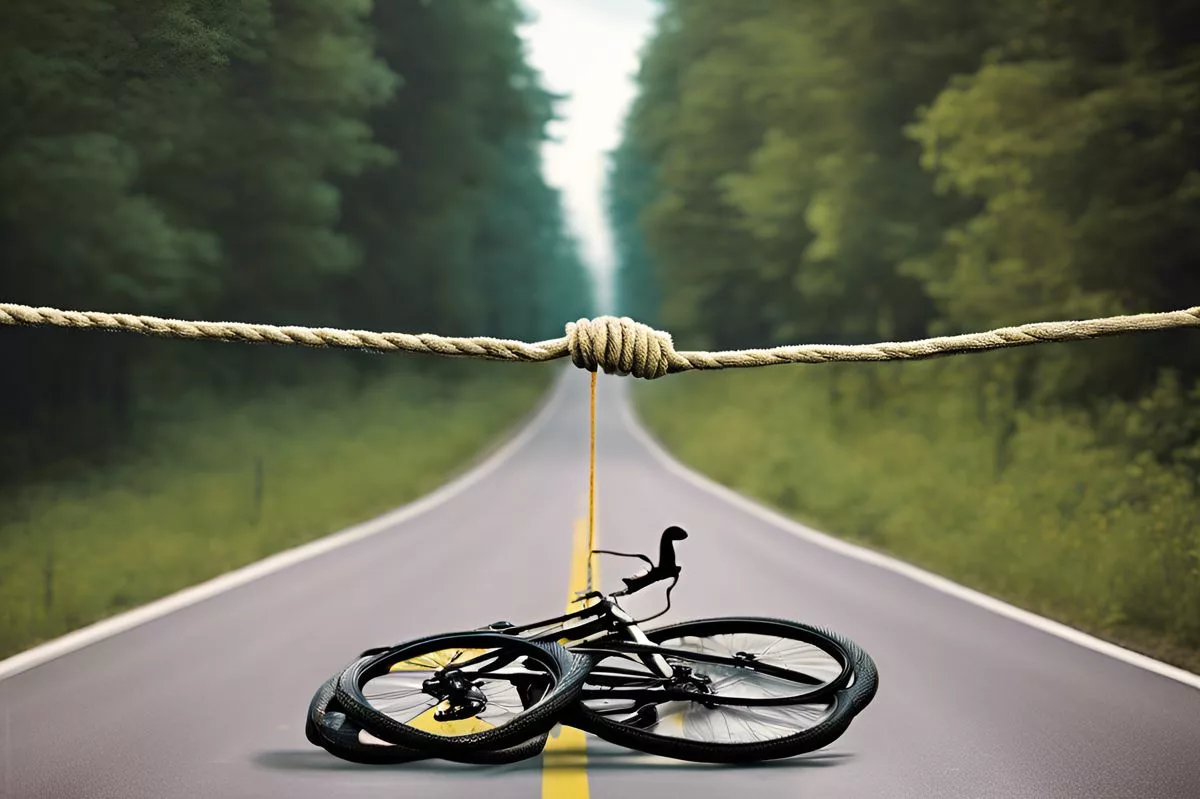
South Africa finds itself in the grip of an escalating crime wave that has left its citizens deeply shaken. This new crime trend is as innovative as it is ruthless: assailants strategically placing ropes across roads with the intent of tripping motorcyclists, leading to subsequent robberies and hijackings.
This frightening revelation, brought to light by crime activist Yusuf Ambramjee, has seared itself into the collective awareness of the nation. This cunning evolution in criminal tactics extends past ropes – reports indicate that spikes and rocks are also being used to obstruct roads, pointing to a worrying increase in road-related crimes.
The South African Police Service (SAPS) has responded swiftly to this alarming development. They have issued a stern warning to motorists in Gauteng, the heart of these spiking incidents, advising them against stopping for any road obstructions. The rate at which reports of such incidents are cropping up is reaching a concerning peak, prompting SAPS to spring into action.
A Sinister Manipulation of Circumstances
In a further twist of opportunism, criminals are resorting to placing objects like clothing and rocks on roads to imitate human figures. This is done with the grim objective of tricking vehicles into stopping. Once the vehicle has stopped, these remorseless criminals swoop in and rob the unsuspecting occupants.
Law enforcement has managed to make some headway against this surge of crime, with ten suspects arrested in connection to these incidents early this month. However, the overall situation is far from pacified. A poignant demonstration of this occurred when a suspected criminal attacked police officers, resulting in him being fatally shot.
The frequency of these incidents is not uniform across the region. Certain areas in Gauteng have been identified as hotspots particularly vulnerable to these crimes. A clear pattern has surfaced; these chilling acts are more likely to occur during the night and on weekends.
Effective Responses and Sustaining Vigilance
These sinister tactics have led to avoidable accidents and, more heartbreakingly, loss of life. In response, the Ekurhuleni Metropolitan Police Department (EMPD) is advising motorists who come across spikes or experience tyre damage not to stop, especially during the night. Instead, they are advised to continue driving cautiously to the nearest petrol station or police station to ensure their safety.
The EMPD has pledged to maintain a high police presence in these hotspot areas. Individuals found guilty of endangering motorists by placing road obstructions will face strict legal repercussions. This situation is not just a test of the steadfastness of law enforcement agencies but also necessitates them to adapt rapidly to the criminals’ changing strategies.
The Battle against Innovative Crime Tactics
This new crime trend serves as a chilling reminder of the lengths criminals are willing to go to fulfil their malicious intentions. It is not just a test of the resilience and adaptability of law enforcement, but more significantly, it challenges the collective determination of South Africans, who must stay alert and supportive of measures to counter this menace.
Winning this battle will demand creative strategies and a united commitment to ensuring the safety and security of all. This situation underscores the importance of remaining vigilant and fostering a shared commitment to maintaining public safety. South Africa’s fight against this emerging crime trend is far from over, but with a collective will, innovative strategies, and the steadfastness of the law enforcement agencies, there is hope for a safer future.
What is the emerging crime trend in South Africa?
The emerging crime trend involves criminals placing ropes, spikes, and rocks across roads to trip motorcyclists and rob them, as well as placing objects like clothing and rocks on roads to imitate human figures and trick vehicles into stopping.
What is law enforcement’s response to this crime trend?
Law enforcement has responded by warning motorists not to stop for road obstructions and to drive cautiously to the nearest petrol or police station. The Ekurhuleni Metropolitan Police Department (EMPD) is maintaining a high police presence in hotspot areas and individuals found guilty of endangering motorists by placing road obstructions will face strict legal repercussions.
What should motorists do if they come across spikes or experience tire damage?
Motorists who come across spikes or experience tire damage are advised not to stop, especially during the night. Instead, they should continue driving cautiously to the nearest petrol station or police station to ensure their safety.
What areas are identified as hotspots for these crimes?
Certain areas in Gauteng have been identified as hotspots particularly vulnerable to these crimes. A clear pattern has surfaced; these chilling acts are more likely to occur during the night and on weekends.
What are the legal repercussions for individuals found guilty of endangering motorists by placing road obstructions?
Individuals found guilty of endangering motorists by placing road obstructions will face strict legal repercussions.
What is required to fight against this crime trend?
Winning this battle will demand creative strategies and a united commitment to ensuring the safety and security of all. It underscores the importance of remaining vigilant and fostering a shared commitment to maintaining public safety.