
Attention Cape Town residents! Scheduled maintenance of the city’s water supply system is taking place from April 15 to April 18, 2024. This joint effort by the City and the National Department of Water and Sanitation is crucial to ensure the endurance and peak performance of the water supply system. While some water supply interruptions are expected, proactive measures are being taken to limit the impact on residents. We urge everyone to reduce their water usage during this period and store sufficient water for essential needs. Let’s work together to ensure a reliable water supply system for the future!
What is the purpose of the scheduled maintenance of Cape Town’s water supply system?
The scheduled maintenance of Cape Town’s water supply system is a critical task undertaken to bolster the city’s water supply system, ensuring its endurance and peak performance in the years to come. This joint venture between the City and the National Department of Water and Sanitation is part of a proactive infrastructure maintenance and upgrade program designed to secure the future consistency of water supply by addressing the issue of unaccounted water.
Preparing for the Maintenance
Listen up, folks! The esteemed Water and Sanitation Directorate of our beloved city has demarcated the dates from April 15 to April 18, 2024, for crucial maintenance work. This carefully planned operation is set to bolster the city’s water supply system, ensuring its endurance and peak performance in the years to come.
This scheduled maintenance, though meticulously orchestrated, may occasionally disrupt the water supply. This interruption, albeit unfortunate, is an inevitable result of an operation of this magnitude. The city administration extends heartfelt apologies for any inconvenience that might be experienced by the residents throughout this period.
Collaborative Effort in Action
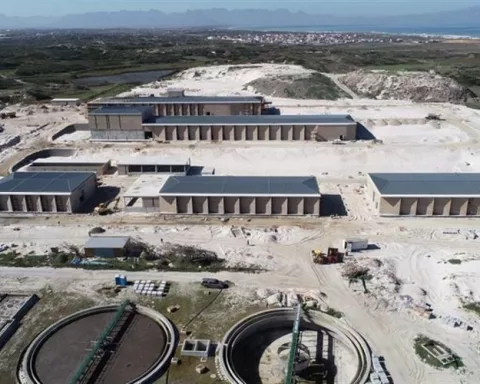
This critical task is a joint venture between the City and the National Department of Water and Sanitation (DWS). The DWS will be overseeing the crucial pumping tests from the Berg River to the Riviersonderend Tunnel. These tests are quintessential for supplying water to the Faure and Blackheath Water Treatment Plants (WTPs). As a result, the water supply to Faure and Blackheath will be diminished from the morning of Monday, April 15, until the evening of Tuesday, April 16.
In an effort to maintain a steady supply of water, preemptive measures are being undertaken by the DWS. The buffer dam, known as the Kleinplaas Dam, will be filled in advance to ensure a reduced but uninterrupted water supply to the Faure and Blackheath WTPs. Understandably, this might temporarily lower water pressure in certain sections of the city. However, both the City and DWS are making exhaustive efforts to limit the impact on the residents.
To augment these efforts, we request the residents of Cape Town to decrease their water consumption during this period. This collective endeavor can help ensure a stable water supply during the shutdown and guarantee equal distribution of water amongst everyone.
Role of the Residents
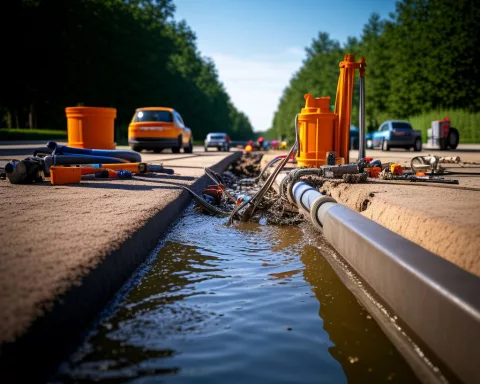
Detailed maintenance work will be executed during this period, including installing, repairing, and replacing pipes and valves. Some areas that will face water supply interruptions include Khayelitsha on Dibana Street, Makhaza from 08:00 until 16:00 on Tuesday, April 16; Victorskloof, Hout Bay from 09:00 until 17:00 on Wednesday, April 17; and Pinehurst from 09:00 until 16:00 on Tuesday, April 16.
This maintenance work is not an isolated event but forms a part of a broader proactive infrastructure maintenance and upgrade program by the Water and Sanitation Directorate. The program is designed to secure the future consistency of water supply by addressing the issue of unaccounted water.
There are a few critical points for the residents to consider. Firstly, the timing of the scheduled maintenance has been strategically planned to ensure minimal disruption. Secondly, the areas where maintenance work is conducted are essentially construction sites and, hence, are restricted from public access for safety reasons.
It is also crucial to set realistic expectations. Operations of this nature could potentially face delays, possibly extending the estimated duration. Moreover, residents might observe discolored or milky water post-maintenance due to trapped air in the pipes. However, there is no cause for concern, as the water will regain its clarity if left undisturbed in a glass.
Final Remarks
The residents can stay updated about the progress of the maintenance work and the location of water tankers (where applicable) by following @CityofCTAlerts.
With the impending water supply disruptions, residents are encouraged to store sufficient water for use, ensuring that essential needs are met during this period.
This carefully planned maintenance operation embodies the City’s dedication to its residents. It highlights the lengths that are being taken to protect the water supply infrastructure and ensure its ongoing functionality for all stakeholders. Despite the temporary inconvenience, the results of this operation promise a more efficient and dependable water supply system for the city in the long run.
Let’s all unite in the face of these necessary disruptions. By reducing water usage and abiding by the safety regulations during this period, we can ensure the future consistency and reliability of our city’s water supply.
1. What is the purpose of the scheduled maintenance of Cape Town’s water supply system?
The purpose of the scheduled maintenance of Cape Town’s water supply system is to ensure the endurance and peak performance of the water supply system and address the issue of unaccounted water.
2. When will the maintenance work take place?
The maintenance work is scheduled from April 15 to April 18, 2024.
3. Who is responsible for the maintenance work?
The maintenance work is a joint venture between the City of Cape Town and the National Department of Water and Sanitation.
4. Will there be any water supply interruptions during the maintenance period?
Yes, some water supply interruptions are expected during the maintenance period, but proactive measures are being taken to limit the impact on residents.
5. What can residents do to help during the maintenance period?
Residents can reduce their water usage during this period and store sufficient water for essential needs to ensure a reliable water supply system for the future.
6. How can residents stay updated on the progress of the maintenance work?
Residents can follow @CityofCTAlerts on social media to stay updated on the progress of the maintenance work and the location of water tankers (where applicable).