Cape Town’s Global Reading Adventure Programme is a fun and engaging reading scheme for children aged nine to 12, designed to prevent the “summer slide” in their academic abilities. The programme takes children on a literary expedition across each continent, incorporating elements such as computer skills, coding, creativity, and dance. Librarians also provide supplementary information and suggest reading materials for the children’s worldwide trek. The animated, activity-packed booklet aims to make reading a pleasing pastime rather than a boring school chore.
What is Cape Town’s Global Reading Adventure Programme?
Cape Town’s Global Reading Adventure Programme is a reading scheme designed for children aged nine to 12 to help them maintain their reading habit during the lengthy school holiday period and to prevent the “summer slide” in their scholastic abilities. The programme features an animated, activity-packed booklet that takes children on a literary expedition across each continent, incorporating elements such as fundamental computer skills, coding, creativity, and even dance. The programme also offers librarians who can provide supplementary information and suggest a carefully chosen array of reading materials for children.
A Reading Adventure Across the Globe
In the vibrant, lively heart of Cape Town, a new generation of young book enthusiasts is gearing up for an extraordinary exploration through the narratives of their most loved texts. This exceptional opportunity is brought forward by the City’s Library and Information Service, who have designed their fifth iteration of the well-received reading scheme, catering specifically to children aged between nine to 12. This remarkable initiative is set to commence with an intriguing theme: The Global Reading Adventure Programme.
The programme, scheduled to be initiated in December and January, is designed to counter the infamous “summer slide” – a lengthy school holiday period where children, free from academic constraints, tend to disregard their reading habits. This neglect can lead to a setback in their scholastic abilities. However, the innovative setup of the programme not only motivates children to uphold their reading regime but also incorporates an assortment of enjoyable aspects as they undertake various challenges in their local library.
“Reading is the fitness regime for our brains,” declares Councillor Patricia van der Ross, the Mayoral Committee Member for Community Services and Health in the City. This conviction forms the cornerstone of the reading programme’s philosophy, which offers the participants captivating yet intellectually invigorating hurdles, guaranteed to keep them absorbed during the summer hiatus.
A Journey Through Pages: Learning and Fun Combined
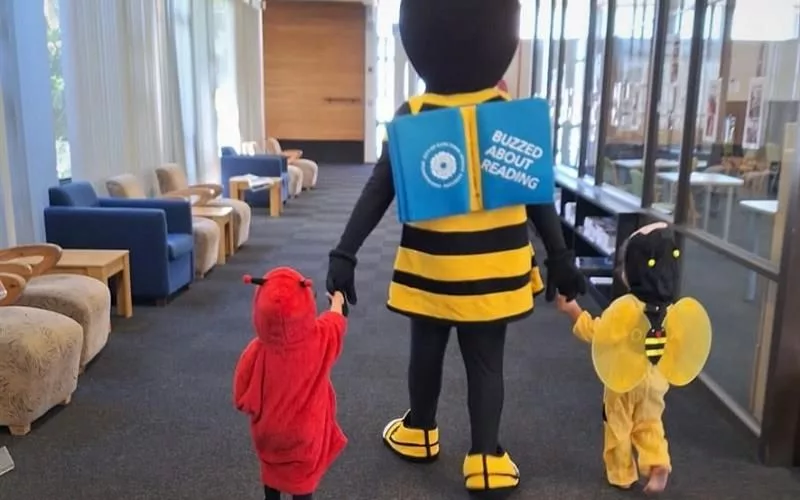
At the core of this global literary expedition lies an animated, activity-packed booklet. Guided by their affable Library Mascot, LiBee, the young ones are set to traverse each continent through their literary escapade. A primary goal of the programme is to enable young readers to view reading as a pleasing pastime rather than a boring school chore. Thus, the programme smartly amalgamates elements of reading, fundamental computer skills, coding, creativity, and even dance.
The booklet is filled to the brim with an array of thrilling tasks. The activities range from designing the tallest edifice in Asia, deciphering a puzzle in Europe to unveil a concealed monument, to creating an extravagant Rio Carnival mask symbolizing South America, promising an entertaining engagement.
In Egypt, the young participants are given a chance to convert English language into hieroglyphics. Moving on to North America, they are required to utilize the capabilities of SmartCape computers to discover the names of extinct creatures. This task not only boosts their computer prowess but also exposes them to the exhilarating realm of coding. In their quest for answers, they can engage in a coding game available in certain libraries, with a mission to safeguard animals from hunters. Each continental section in the booklet concludes with a short narrative and an enjoyable activity.
Enhancing the Experience: The Role of Librarians
This enlightening journey is not limited to the programme alone but extends to the local library as well. The librarians are eager and prepared to provide supplementary information and suggest a carefully chosen array of reading materials for the children’s worldwide trek.
Next Stop: A Summer Full of Literary Adventures
This summer, Cape Town’s young readers have an exciting literary expedition to look forward to, thanks to the Summer Reading Programme. As they flip through the pages, their journey will not just take them through magical realms but also augment their skills, creativity, and passion for reading. So, let the reading voyage take off!