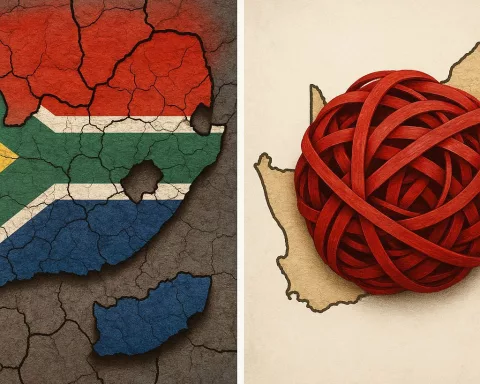

South Africa is battling constant power cuts because its old power plants break down often and maintenance has been delayed for years. These blackouts disrupt daily life, especially in the evening when families need electricity the most. While richer areas use solar power to avoid the worst effects, poorer communities suffer more. Despite these struggles, many South Africans find creative ways to cope, and new local efforts in renewable energy offer hope for a brighter, more reliable future.
Why is South Africa experiencing frequent loadshedding and power outages?
South Africa faces frequent loadshedding due to aging infrastructure, delayed maintenance, and unexpected breakdowns causing a significant power deficit. Chronic underinvestment, political instability, and high demand strain Eskom’s grid, leading to rolling blackouts that disrupt households, businesses, and daily life nationwide.
The Resurgence of Power Cuts
As dusk settles over South Africa, the gentle glow of evening routines is once again threatened by the return of loadshedding. Eskom, the country’s long-troubled power utility, has reintroduced Stage 2 loadshedding, disrupting households and businesses alike during the critical hours of 4pm to 10pm. South Africans find themselves bracing for a familiar disruption, as the cycle of rolling blackouts reemerges after a period of relative calm.
Eskom cited multiple setbacks in its latest announcement. The delayed return of generation units, which amounts to a deficit of 3,120 megawatts, coupled with unexpected breakdowns that have slashed an additional 1,385 megawatts from the grid, have left the national system teetering. More than 13,000 megawatts of capacity are currently out of commission, reflecting a stark reality: South Africa’s energy infrastructure remains fragile and vulnerable to both expected and unforeseen challenges.
The power utility’s predicament is not just a technical issue but a social one, affecting millions across the nation. Evening hours, when families gather, students study, and businesses operate at full tilt, are now marked by uncertainty. The threat of darkness looms over city skylines, a constant reminder of the country’s ongoing struggle to keep the lights on.
The Roots of the Crisis: Decades of Neglect
South Africa’s electricity woes cannot be understood without tracing their origins. In the decades after World War II, the country’s coal-rich economy powered rapid industrial growth. Eskom, established as a formidable state-owned entity, oversaw a grid that was once the envy of the continent. However, a series of misjudgments and chronic underinvestment began to erode this foundation.
As the years passed, key infrastructure aged without sufficient upgrades or regular maintenance. Political shifts and administrative instability compounded these issues, with critical maintenance often deferred in favor of short-term gains. These decisions, made over decades, created a domino effect seen in today’s frequent outages and system stress.
The present crisis underscores the cost of neglect. Each round of loadshedding is rooted in a legacy of outdated equipment, maintenance backlogs, and hesitant planning. While Eskom undertakes essential maintenance to prevent further deterioration, these very efforts can trigger new vulnerabilities, creating a precarious cycle that is difficult to break.
Everyday Realities: Adaptation Amid Adversity
In cities and towns across South Africa, residents have learned to cope with power interruptions in creative ways. The hum of generators and the glow of battery-powered lights have become part of the urban soundscape. Small businesses, from corner shops to restaurants, must adapt by adjusting hours or investing in backup solutions. For many, loadshedding means finishing homework before dusk, preparing meals earlier, or finding community spaces to share resources and light.
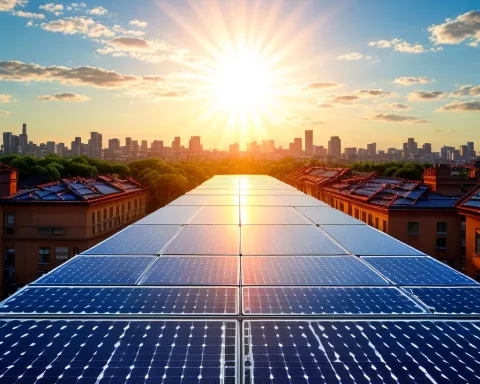
Yet, these adaptations also reveal widening social divides. In wealthier areas, solar panels and alternative energy systems offer a measure of independence from Eskom’s unpredictability. In contrast, poorer communities often lack such resources, making them more vulnerable to the economic and social fallout of outages. Each blackout deepens existing inequalities, highlighting how access to energy reflects broader disparities in opportunity and security.
Despite these challenges, resilience shines through. Conversations with business owners and families illustrate a spirit of ingenuity and perseverance. Whether it’s a shopkeeper relying on a simple LED lantern to serve customers, or community groups organizing to share resources during peak blackout hours, South Africans continue to find ways to endure and adapt.
Creative Resistance and Local Solutions
In response to ongoing power struggles, South Africa’s artistic community has transformed adversity into opportunity. Across cities like Johannesburg and Cape Town, artists harness alternative energy sources to power their installations and performances, using the symbolism of light and darkness to spark dialogue. Candlelit poetry readings and solar-powered exhibitions remind audiences of the country’s enduring creativity, even in trying circumstances.
Local governments have also sought to shield residents from the brunt of loadshedding. Cape Town, for example, has leveraged its own energy reserves and investments in renewables to minimize blackouts. While not immune to the national grid’s problems, the city frequently manages to avoid the most severe outages, offering a glimpse of what decentralized, proactive energy management can achieve.
These efforts underscore the importance of community-driven and municipal solutions in navigating large-scale utility failures. By diversifying energy sources and empowering local authorities, South Africa can begin to chart a path toward greater resilience and autonomy, even as broader systemic issues persist.
Economic Costs and Emerging Opportunities
The impact of chronic power cuts extends far beyond inconvenience. Loadshedding disrupts industrial production, strains supply chains, and undermines business confidence. Manufacturers scale back operations, while logistics companies face delays and increased costs. Small enterprises, especially those unable to afford alternative power sources, struggle to survive in an unpredictable environment.
Despite these headwinds, South Africa has seen an uptick in energy innovation. Entrepreneurs are stepping forward to fill gaps in the market, from installing solar panels on township rooftops to developing battery storage solutions for schools and clinics. Drawing inspiration from international models of energy transition, such as Germany’s push for renewables, local startups are exploring new ways to stabilize and democratize access to electricity.
This entrepreneurial spirit points to a silver lining in the ongoing crisis. Each blackout, though disruptive, also highlights the urgent need for change—and the opportunity for South Africans to lead that change from the ground up. By embracing alternative technologies and fostering local solutions, the nation can begin to reduce its dependence on a faltering central grid.
The Road Ahead: Lessons and Hopes
As Stage 2 loadshedding once again becomes a part of daily life, South Africans must reckon with both immediate difficulties and longer-term questions about their energy future. The interplay between government decisions, utility management, technological innovation, and community resilience will shape the next chapter of this ongoing saga.
While the specter of power cuts persists, so too does the determination to overcome them. South Africa’s experience stands as a cautionary tale, but also as a testament to adaptability and hope. The journey toward a more reliable and equitable electricity supply will not be easy, but by learning from the past and investing in local ingenuity, the nation can illuminate a new path forward.
What causes the frequent loadshedding and power outages in South Africa?
South Africa’s frequent loadshedding is primarily caused by aging power plants that break down often and years of delayed maintenance. The national utility, Eskom, faces a significant power deficit due to a combination of old infrastructure, unexpected breakdowns, delayed return of generation units, and chronic underinvestment. Political instability and high electricity demand further strain the grid, resulting in rolling blackouts that disrupt daily life across the country.
How does loadshedding affect the daily lives of South Africans?
Loadshedding disrupts households, businesses, and essential services, especially during evening hours when families gather, students study, and commerce is active. Many adapt by using generators, battery-powered lights, or adjusting routines—such as completing homework before dark or preparing meals earlier. However, the impact is uneven: wealthier communities often mitigate outages with solar power and alternative energy, while poorer areas suffer more severe consequences, deepening existing social and economic inequalities.
Why has South Africa’s power infrastructure deteriorated over time?
South Africa’s electricity infrastructure has deteriorated largely due to decades of neglect, including insufficient upgrades, deferred maintenance, and political and administrative instability. After a period of rapid industrial growth post-World War II, investment in Eskom’s infrastructure waned. Maintenance was often postponed to prioritize short-term financial savings, creating a backlog that now results in frequent equipment failures and outages, trapping the country in a cycle of vulnerability.
What local and community solutions are emerging to cope with the power crisis?
Communities and local governments are adopting innovative approaches to manage loadshedding. Cities like Cape Town invest in renewable energy and maintain local reserves to reduce blackout impacts. Artists use alternative energy sources for installations and performances, turning challenges into creative expression. Small businesses rely on generators and LED lighting, while entrepreneurs develop solar panel installations and battery storage systems for schools and clinics, fostering resilience and reducing dependence on the national grid.
What are the economic consequences of ongoing loadshedding?
Loadshedding severely disrupts industrial production, supply chains, and business operations. Manufacturers often reduce output due to unreliable power, logistics suffer delays, and small businesses—especially those unable to afford backup power—face threats to their viability. The unpredictability undermines investor confidence, increases costs, and slows economic growth. However, it also spurs innovation and entrepreneurship in renewable energy technologies, creating new business opportunities and job prospects.
What hopes and solutions exist for South Africa’s energy future?
Despite current challenges, South Africa’s energy future holds promise through local innovation, renewable energy adoption, and improved management. Investments in solar power, battery storage, and decentralized energy systems can increase grid resilience and reduce outages. Municipal initiatives demonstrate that proactive energy strategies mitigate risks. By learning from past mistakes, embracing technological advancements, and supporting community-driven solutions, the country can move toward a more reliable, equitable, and sustainable electricity supply.