The need for global governance reform was highlighted by South African President Cyril Ramaphosa during the 19th Non-Aligned Movement Summit in Uganda. He also revealed his aspirations for the movement, including self-determination rights for Palestine and Western Sahara, eliminating economic blockades and sanctions against certain countries, and adhering to UN Charter in peacefully resolving conflicts. Ramaphosa implored the Non-Aligned Movement to collaborate, enhance commitment towards development, peace, security, and human rights, and embody the principle of solidarity.
South African President Cyril Ramaphosa addressed the 19th Non-Aligned Movement Summit in Uganda, where he highlighted the importance of the Non-Aligned Movement’s autonomy, global interconnectedness and the need for global governance reform. He also revealed his aspirations for the movement, which included self-determination rights for Palestine and Western Sahara, eliminating economic blockades and sanctions against certain countries, and adhering to UN Charter in peacefully resolving conflicts. The President implored the Non-Aligned Movement to collaborate, enhance commitment towards development, peace, security, and human rights, and embody the principle of solidarity.
In the lively metropolis of Kampala, the core of the Ugandan Republic, representatives from diverse countries convened for the 19th Non-Aligned Movement Summit. Uganda, frequently referred to as the ‘Pearl of Africa’, acted as the perfect setting for this vital assembly, greeting every participant with kindness and cordiality. Among the numerous prominent figures, the speech of South African President Cyril Ramaphosa echoed with distinct reliance and assurance.
A Grand Welcome and a Reality Check
President Ramaphosa initiated his address by acknowledging the hospitality extended by Uganda and expressing gratitude towards its leader, President Yoweri Museveni. He also appreciated the efforts of Azerbaijan and its leader, President Ilham Aliyev, for their successful leadership of the Movement in the previous years. By endorsing Uganda for its forthcoming chairmanship, Ramaphosa paved the way for a narrative that would incorporate all attendees.
He noted that the Summit was taking place against the backdrop of increasingly turbulent global circumstances, exacerbated by geopolitical dynamics. The international community is witnessing heartbreaking conflicts in regions such as Ukraine and Palestine, leading to severe humanitarian crises and destabilizing international equilibrium. In his view, it’s a period when the multilateralism, symbolized by the United Nations Charter and international law, is being contested at the very moment it’s most needed.
The Importance of the Non-Aligned Movement and Global Interconnectedness
Ramaphosa underscored the significance of the Non-Aligned Movement’s autonomy, especially in these polarized times. South Africa, he confirmed, stands committed to its non-aligned stance, advocating for an inclusive dialogue and peaceful resolution of disputes.
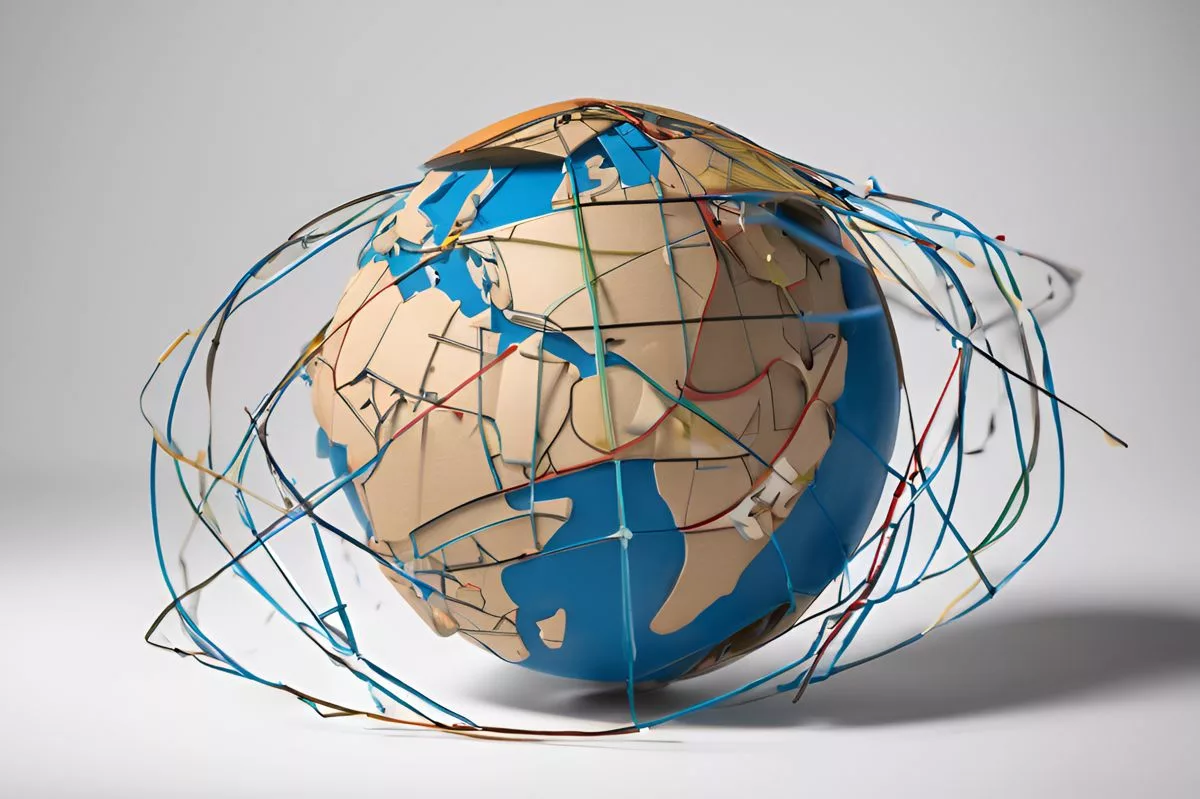
The president painted a picture of a world that is more intertwined than ever before, a condition that is evident in technology, commerce, and shared challenges such as climate change and pandemics. These realities necessitate a universally agreed set of regulations that are applicable to all countries, allowing the least developed ones room to grow.
For Ramaphosa, a globally knitted world also necessitates a shared determination to accomplish the Sustainable Development Goals. He underscored the importance of addressing multiple challenges that each nation faces, including economic, social, health, and environmental issues. He believes these concerns can only be tackled by transforming the global governance, particularly the United Nations.
Vision for the Non-Aligned Movement and the Middle East Crisis
At this point, the President revealed his aspirations for the Non-Aligned Movement. His list of priorities included self-determination rights for the people of Palestine and Western Sahara, eliminating economic blockades and sanctions against countries such as Cuba, Iran, Venezuela, and Zimbabwe. He also highlighted the importance of adhering to the UN Charter in peacefully resolving conflicts, eradicating poverty, and eliminating terrorism.
Shifting his focus to the escalating conflicts in the Middle East, Ramaphosa adamantly called for an immediate ceasefire in Gaza and the release of all hostages. He pushed for restarting negotiations for a just resolution to alleviate the suffering of the Palestinian people.
South Africa’s Intervention and the Need for Global Governance Reform
Given the deteriorating situation in Gaza, South Africa had requested the intervention of the International Court of Justice to halt Israel’s military campaign. This, according to Ramaphosa, was essential to forestalling further violations of the Palestinian people’s rights. He cited South Africa’s financial support to the UN Relief and Works Agency and the UNHCR, backing their humanitarian missions in Gaza. He also acknowledged how ordinary South Africans and NGOs have raised resources to help the people of Gaza.
In Ramaphosa’s perspective, the escalating conflicts have laid bare the deficiencies of the United Nations, particularly the UN Security Council, in maintaining global peace and security. He advocated for a just and balanced system of global governance that could effectively cater to the needs of all people in situations of threat and harm.
The Way Forward
In his concluding remarks, the President accentuated the need for a shared commitment to women’s rights, disarmament, non-proliferation, and arms control. He implored the Non-Aligned Movement to bolster collaboration, enhance commitment towards development, peace, security, and human rights, and embody the principle of solidarity. The time is now, he urged, for unity and purpose, to emerge from the present challenges stronger than ever before.
1. What was the purpose of the 19th Non-Aligned Movement Summit in Uganda?
The purpose of the 19th Non-Aligned Movement Summit in Uganda was to discuss the need for global governance reform, collaboration, and commitment towards development, peace, security, and human rights.
2. Who gave the keynote address at the summit?
South African President Cyril Ramaphosa gave the keynote address at the summit.
3. What did President Ramaphosa emphasize in his address?
President Ramaphosa emphasized the importance of the Non-Aligned Movement’s autonomy, global interconnectedness, and the need for global governance reform. He also revealed his aspirations for the movement, including self-determination rights for Palestine and Western Sahara, eliminating economic blockades and sanctions against certain countries, and adhering to the UN Charter in peacefully resolving conflicts.
4. What is the current state of global peace and security, according to President Ramaphosa?
According to President Ramaphosa, the current state of global peace and security is threatened by escalating conflicts in regions such as Ukraine and Palestine, leading to severe humanitarian crises and destabilizing international equilibrium.
5. What does President Ramaphosa advocate for in terms of global governance reform?
President Ramaphosa advocates for a just and balanced system of global governance that could effectively cater to the needs of all people in situations of threat and harm.
6. What was the President’s vision for the Non-Aligned Movement and the Middle East crisis?
The President’s vision for the Non-Aligned Movement included self-determination rights for the people of Palestine and Western Sahara, eliminating economic blockades and sanctions against certain countries, and adhering to the UN Charter in peacefully resolving conflicts. He also called for an immediate ceasefire in Gaza and the release of all hostages, and pushed for restarting negotiations for a just resolution to alleviate the suffering of the Palestinian people.