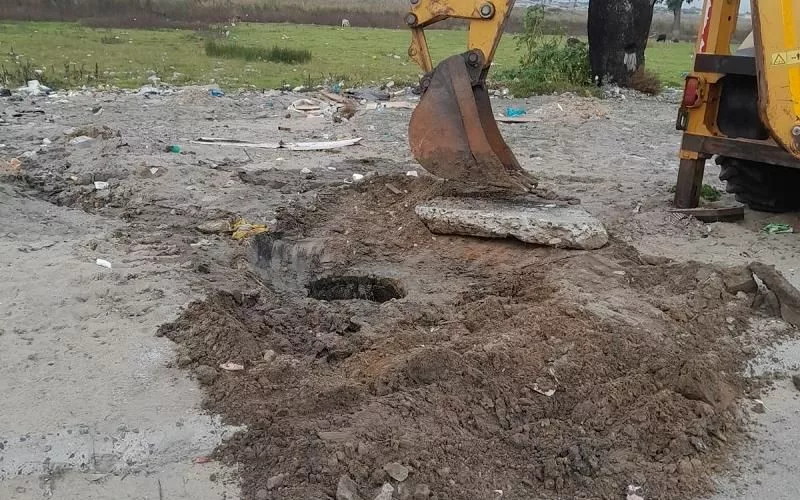
The deliberate removal of manhole covers and the addition of foreign objects leads to severe blockages and overflows, posing a dangerous threat to public health and safety. The community must take responsibility and practice responsible waste disposal to protect the vital infrastructure that maintains the city’s health and cleanliness. The city has initiated awareness campaigns and a hotline to report incidents, but residents must also play a significant role in protecting their city’s health.
What is the issue with sewer misuse in Cape Town’s Wesbank?
The local sewer system in Wesbank is frequently sabotaged by the removal of manhole covers and the deliberate introduction of foreign objects, leading to severe blockages and overflows. This poses a dangerous threat to public health and safety, disrupting vital services and contaminating water sources. The community must take responsibility and practice responsible waste disposal to protect the vital infrastructure that maintains the city’s health and cleanliness.
A Hidden Hazard
In the lively center of South Africa, the community of Wesbank in Cape Town finds themselves wrestling with a complex problem that may go unnoticed but holds significant repercussions for local health, safety, and the environment. The local sewer system has become a target for misuse, resulting in a dramatic increase in severe blockages and overflows. This issue is more than a simple annoyance; it triggers a chain reaction of potentially life-altering problems for the people of Wesbank.
Wesbank houses an extensive system of pipes and drains under its city streets, operating as essential lifeblood for the city’s health. Sadly, these vital conduits are frequently sabotaged by the removal of manhole covers and the deliberate introduction of foreign objects, leading to severe blockages.
The Water and Sanitation Directorate of the city has pointed out that this reckless action transcends vandalism – it poses a dangerous threat to public health and safety. Sewer obstructions and overflows interrupt more than just waste disposal; they kickstart a contamination process of water sources, cause damage to crucial infrastructure, and disrupt vital services.
The Disruptive Impact and the Need for Action
These incidents often necessitate emergency reactions which redirect essential resources from other imperative community requirements. The increased number of service requests in Wesbank underscores that these are not random happenings; they are clear signs of willful, negligent behaviour.
The problems are particularly rampant in certain Wesbank areas such as Arendkop Circle, Goodeve Crescent, and Flower and Happiness Streets. An astonishing 592 service requests concerning sewer problems were recorded in Ward 19 within the first four months of 2024, with 287 of these specifically from Wesbank.
The story of negligence is further cemented by local reports indicating that the sewers are frequently blocked again soon after being unblocked. For example, the team responsible for unblocking sewer lines on May 6th discovered stones, sand, and other foreign substances in the system, dumped after a manhole cover on Kasba Street had been removed.
The implications of these actions extend far beyond immediate blockages and costly repairs. They contribute to environmental pollution and pose serious health risks for local residents. Typical culprits include stones, sand, plastics, cooking oil, rags, newspapers, and sanitary products.
Community Response and Civic Responsibility
To combat this growing problem, Councilor Zahid Badroodien, the city’s Mayoral Committee Member for Water and Sanitation, has called on residents to understand their role in safeguarding the sewer system. He advises simple measures such as not removing manhole covers, which not only pose safety risks but also amplify chances of accidents, and refraining from dumping foreign objects into the drains.
The Councilor’s team has proactively initiated awareness campaigns in Wesbank, inspiring residents to practice responsible waste disposal and value the sewer system’s integrity. As an additional measure, the city has set up a hotline for people to report any incidents of manhole tampering or dumping of foreign objects in the sewer system.
Ultimately, the task of protecting Wesbank’s sewer system doesn’t just fall on the authorities; the residents play a significant role too. As a community, increased vigilance and a heightened sense of civic commitment can help prevent further damage and protect the vital infrastructure that maintains the city’s health and cleanliness. Recognizing the importance of this issue and taking measures to address it allows the people of Wesbank to contribute towards preserving their city’s health, one manhole cover at a time.
-
What is the issue with sewer misuse in Cape Town’s Wesbank?
The local sewer system in Wesbank is frequently sabotaged by the removal of manhole covers and the deliberate introduction of foreign objects, leading to severe blockages and overflows. This poses a dangerous threat to public health and safety, disrupting vital services and contaminating water sources. -
What is the impact of sewer misuse in Wesbank?
Sewer obstructions and overflows interrupt more than just waste disposal; they kickstart a contamination process of water sources, cause damage to crucial infrastructure, and disrupt vital services. These incidents often necessitate emergency reactions which redirect essential resources from other imperative community requirements. -
What are some examples of foreign objects dumped into the sewer system?
Typical culprits include stones, sand, plastics, cooking oil, rags, newspapers, and sanitary products. -
What is the role of the residents in protecting the sewer system?
Residents must take responsibility and practice responsible waste disposal to protect the vital infrastructure that maintains the city’s health and cleanliness. They should avoid removing manhole covers and dumping foreign objects into the drains. Increased vigilance and a heightened sense of civic commitment can help prevent further damage and protect the vital infrastructure. -
What measures has the city taken to address the issue?
The city has set up a hotline for people to report any incidents of manhole tampering or dumping of foreign objects in the sewer system. The Councilor’s team has proactively initiated awareness campaigns in Wesbank, inspiring residents to practice responsible waste disposal and value the sewer system’s integrity. -
What are some areas in Wesbank where sewer misuse is particularly rampant?
The problems are particularly rampant in certain Wesbank areas such as Arendkop Circle, Goodeve Crescent, and Flower and Happiness Streets.