
Water and Sanitation Minister, Senzo Mchunu, has scheduled an oversight visit to assess Emfuleni Section 63 Intervention Projects in the Sedibeng District on August 29, 2023. The projects are aimed at addressing water and sanitation challenges in the region, particularly within the Emfuleni and Midvaal Local Municipalities.
Purpose of Ministerial Visit
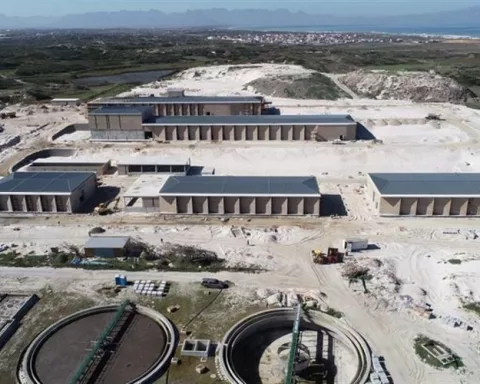
The primary objective of the ministerial visit is to assess the Sedibeng Sewer Scheme Project and Vaal River System interventions’ progress. These interventions are implemented by Rand Water, a state-owned water utility, to end the persistent pollution of the Vaal River and its tributaries. The visit is aimed at evaluating various interventions, including increasing wastewater treatment plant capacity to meet future demands and optimizing the operation of critical pump stations.
Interventions Implemented
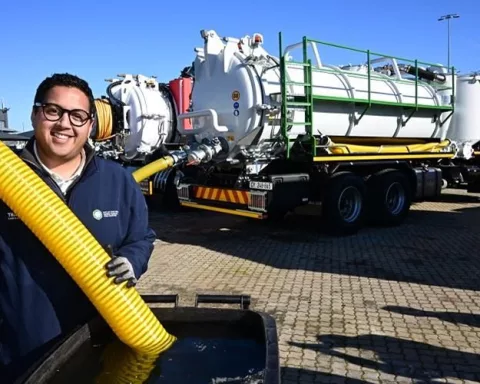
Rand Water has implemented various interventions to address the water and sanitation challenges in the Sedibeng District. These include replacing rising mains, repairing pipelines, unblocking essential bulk mains, refurbishing old modules of existing wastewater treatment plants, and optimizing the operation of critical pump stations.
During the visit, Minister Mchunu will inspect various sites, including pump stations, rising mains, gravity mains, pipelines, and wastewater treatment works under refurbishment and upgrading. The successful implementation of these interventions will have a significant impact on the community’s access to safe and clean water sources and sanitation facilities.
Background on Emfuleni Section 63 Intervention Projects
In 2021, the Emfuleni Local Municipality was placed under Section 63 of the Water Services Act due to the mismanagement of its water and sanitation services. The mismanagement resulted in sewer spillages in communities and the Vaal River, polluting the raw water source and adversely affecting the region’s social and economic development.
Minister Mchunu established a Political Stakeholder Committee for the project and appointed Deputy Minister David Mahlobo as the committee’s chair to keep stakeholders informed. Rand Water was appointed as the implementing agent for the projects.
Importance of the Visit
The ministerial visit is crucial in understanding the progress made in addressing the water and sanitation challenges that have plagued the Sedibeng District. The success of the Emfuleni Section 63 intervention projects will improve the quality of life for the residents in the region and contribute to the overall social and economic development of the area.
These projects also aim to address the long-term sustainability of the water and sanitation infrastructure in the district. This includes upgrading the current capacity management of the Emfuleni Local Municipality and safeguarding the infrastructure from further deterioration.
Collaboration Efforts
The visit highlights the collaborative efforts between various stakeholders, including the Department of Water and Sanitation, Rand Water, and the local municipalities, in working towards a sustainable solution for the Sedibeng District. The government’s commitment to ensuring that the water and sanitation challenges faced by local municipalities are adequately addressed is also emphasized.
In conclusion, the oversight visit by Minister Mchunu is critical in assessing the progress made in resolving the water and sanitation crisis in the Sedibeng District. The successful implementation of the Emfuleni Section 63 intervention projects will benefit the residents and contribute to the region’s social and economic development.