Asthma, Diet, and Inflammation: The Connection Between Food Choices and Asthma Control

1 min read
asthma control mediterranean diet

Asthma is a chronic disease that affects 2.7 million Australians, making it the fourth most common chronic disease in the country. Due to its inflammatory nature, researchers have been looking into the potential links between dietary choices and asthma symptoms. Understanding the connection between nutrition and asthma can help individuals make informed decisions to improve their quality of life.

The Mediterranean Diet: A Breath of Fresh Air

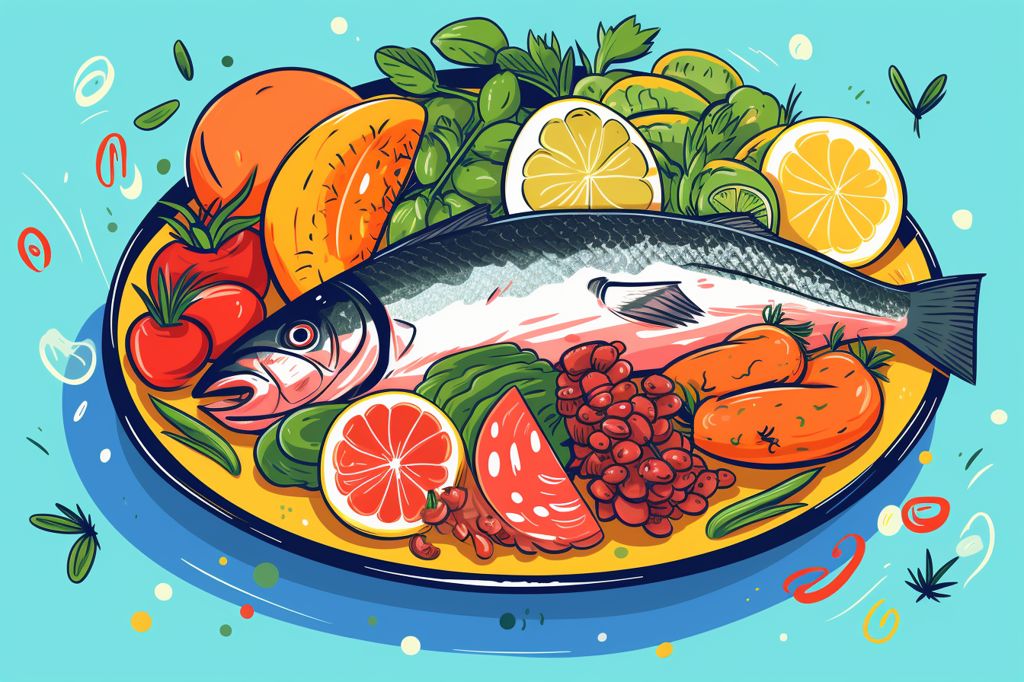
Studies show that a Mediterranean-style diet, which is rich in fruits, vegetables, and oily fish, can reduce wheezing in children, regardless of asthma diagnosis. This diet has positive effects that persist, regardless of a child’s body-mass index (BMI) or socioeconomic status. For adults with asthma, consuming a diet high in fruits and vegetables has also proven beneficial. Studies show that individuals who consume fewer fruits and vegetables experience worse lung function and are twice as likely to have an asthma attack.

Newsletter

Stay Informed • Cape Town

Get breaking news, events, and local stories delivered to your inbox daily. All the news that matters in under 5 minutes.

Join 10,000+ readers
No spam, unsubscribe anytime

The Mediterranean diet is high in antioxidants and soluble fiber, which contribute to its anti-inflammatory properties. Although the diet is also high in omega-3 fatty acids, a review of five studies found no direct benefits of omega-3 intake for adults with asthma. However, consuming omega-3-rich foods like oily fish, flaxseeds, chia seeds, and walnuts can offer other health benefits, such as reducing the risk of heart disease.

Saturated Fats, Sugar, and Red Meat: Asthma’s Adversaries

Diets high in saturated fats, sugar, and red meat have been linked to worsening asthma symptoms, including an increase in the number of asthma attacks in adults. Foods high in saturated fats, such as highly processed foods and fast foods, can impact lung function in as little as four hours.

In one study, researchers compared the effects of a meal high in saturated fat to a meal of similar calories but lower in saturated fat. The participants who consumed the high-fat meal experienced reduced lung function and reduced effectiveness of their asthma puffer within four hours. This decline in lung function was likely due to an increase in inflammation, as researchers observed elevated levels of immune cells known as neutrophils around the four-hour mark.

The Dairy Dilemma: Busting the Myth

Contrary to popular belief, dairy products do not worsen asthma symptoms. Although many individuals with asthma report negative effects from consuming dairy, scientific evidence has debunked this notion. In fact, one study involving adults with asthma found that drinking milk was associated with improved lung function.

Embracing a Mediterranean-style diet that is rich in fruits, vegetables, and healthy fats while limiting saturated fats, sugar, and red meat can potentially alleviate asthma symptoms and improve overall lung function. Understanding the impact of dietary choices on asthma can empower individuals to take control of their health and enhance their quality of life.


Sarah Kendricks is a Cape Town journalist who covers the city’s vibrant food scene, from township kitchens reinventing heritage dishes to sustainable fine-dining at the foot of Table Mountain. Raised between Bo-Kaap spice stalls and her grandmother’s kitchen in Khayelitsha, she brings a lived intimacy to every story, tracing how a plate of food carries the politics, migrations and memories of the Cape.

Leave a Reply

Your email address will not be published.

Previous Story

Overcoming Fertility Struggles: Nonku Williams Inspiring Journey to Motherhood

Next Story

Bellville Community Calls for Action Following Brutal Attack Near Notorious “Problem House”

Latest from Blog

Cape Town’s “Red Wedge”: How a 900-Metre Airport On-Ramp Became South Africa’s Most Watched Kill-Zone

{“summary”: “The \”Red Wedge\” in Cape Town is a dangerous 900meter stretch of airport road. It’s famous for terrible crimes like carjackings and smashandgrabs, making it South Africa’s most watched ‘killzone.’ This area was poorly designed in the 1970s, which now helps criminals ambush cars. Even with many cameras, police struggle to stop the quick attacks. Now, a big wall is being built, and new tech like drones and special apps are helping to fight back against the robbers.”}

South Africa’s 2025 Beef Surge: When Biology, Red Tape and a Thirsty Planet Collide

South African beef prices shot up in 2025, not because of local good news, but because the world ran short of red meat. Fewer cattle everywhere and China’s pork problems made other countries hungry for South African beef. Even with local sickness and people here buying less, farmers made more money. They sold to new places like the Middle East, using special tricks to get around problems. But the future is tricky, with animal sickness, changing weather, and how much money is worth all playing a part in what happens next for South African beef.

A Province That Won’t Stop Knocking on the Constitutional Door

The Western Cape really wants to break away from South Africa, but it’s super hard because of the law. The country’s main rule says South Africa must stay as one, and changing that is almost impossible. Even though many people in the Western Cape feel left behind and want to control their own future, the government keeps saying ‘no’. So, for now, the Western Cape has to find other ways to get more power without leaving the country.

The Invisible Poison Lurking Beneath Sapphire Waves

{“summary”: “Imagine tiny, invisible sea bugs that create a deadly poison. Mussels eat these bugs and become full of this poison, called saxitoxin. If people eat these poisoned mussels, their nerves stop working, and they can’t breathe. This hidden danger is causing big problems for people who gather mussels and for the sea itself, killing lots of sea creatures and making the ocean sick. Scientists are working hard to find ways to spot this silent killer and keep everyone safe.”}