Astron Energy faces criticism for product spill in South Africa

1 min read
south africa astron energy

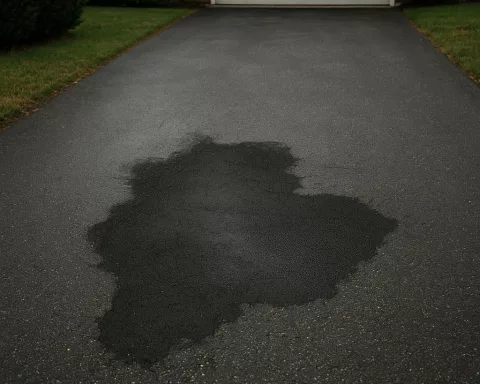
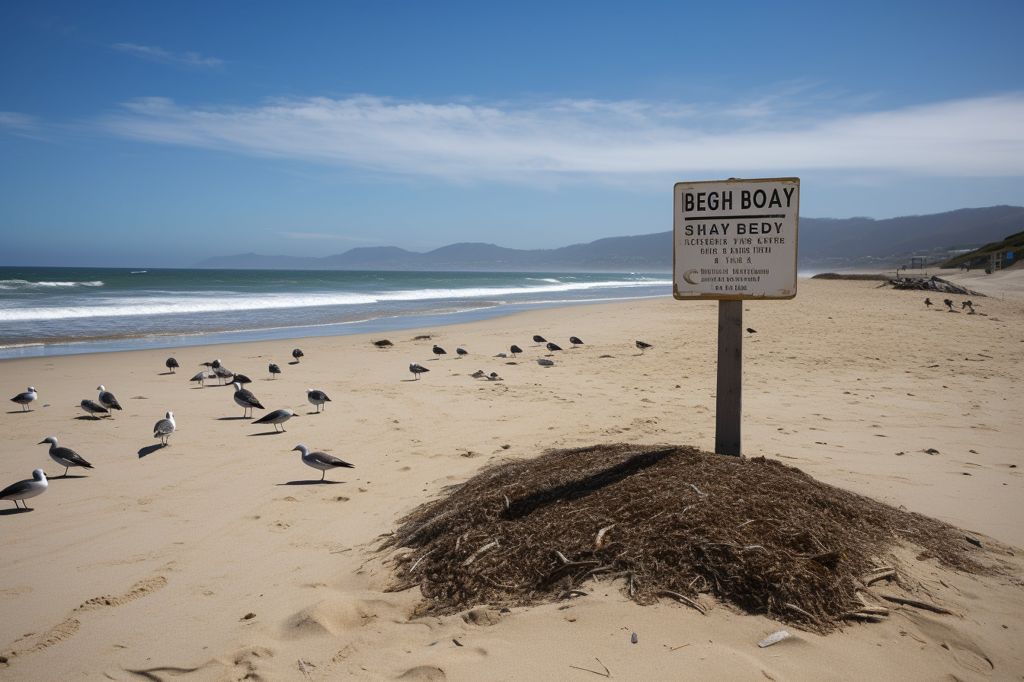
Astron Energy, a South African refinery company, faces criticism following a recent product spill from their Milnerton Refinery that leaked into Table Bay waterways, affecting local birds and wildlife. Environmental groups and community members are frustrated with Astron’s response to the spill, with concerns raised about the fall’s extent and the booms’ effectiveness.

Inadequate response to the spill

Caroline Marx, a member of the Facebook group ReThinkTheStink, expressed concern that the booms were insufficient and that the cracks were negatively impacting the Table Bay Nature Reserve. One member of ReThinkTheStink posted a picture of two sandbags crammed into a storm sewer to criticize Astron’s response to the spill. The group also filmed the area to demonstrate the aftermath of the discharge.

Newsletter

Stay Informed • Cape Town

Get breaking news, events, and local stories delivered to your inbox daily. All the news that matters in under 5 minutes.

Join 10,000+ readers
No spam, unsubscribe anytime

Astron’s statement

Astron Energy has issued a statement stating they are doing everything possible to prevent further harm to the delicate ecosystem. The company has completed the remediation and continues to monitor the area where the leak occurred. In addition, an external specialist has been engaged to assist with any additional remediation activities related to the residual diesel in the conservation area.

Impact on the local birdlife

The spill has had a devastating impact on the local birdlife, with several birds dying as a result of exposure to diesel fuel. SANCCOB, a South African organization dedicated to conserving coastal birds, has been working to rescue and rehabilitate affected wildlife. “Diesel fuel has been proven to be fatal to water birds and seabirds due to the toxic nature of the product,” said Nicky Stander, head of conservation at SANCCOB.

Concerns about the remediation of impacted waterways

The remediation of polluted waterways is also a concern, as diesel discharged in the ocean can disperse rapidly due to wave and wind action, whereas these waterways have relatively low flow. In addition, the diesel product contains hydrocarbons that are detrimental to aquatic species that rely on these habitats, and there is a danger that diesel will enter the reed and soil systems.

The importance of responsible and sustainable practices in the petroleum industry

The incident emphasizes the significance of responsible and sustainable practices in the petroleum industry and the need for increased transparency and accountability in the event of a spill. There is still much work to be done to safeguard the local environment and wildlife from the effects of industrial activities as the community continues to deal with the aftermath of the incident.


Sizwe Dlamini is a Cape Town-based journalist who chronicles the city’s evolving food scene, from boeka picnics in the Bo-Kaap to seafood braais in Khayelitsha. Raised on the slopes of Table Mountain, he still starts every morning with a walk to the kramat in Constantia before heading out to discover whose grandmother is dishing up the best smoorsnoek that day.

Leave a Reply

Your email address will not be published.

Previous Story

Comic Con Cape Town 2023 Review

Next Story

The Comrades Marathon: A Cultural Phenomenon

Latest from Blog

Forty Metres of Air: The Morning Kiteboarding Rewrote Physics

Hugo Wigglesworth, a young kiteboarder, defied gravity and rewrote the record books by soaring an incredible 40 meters into the air. He used powerful winds, a perfectly timed jump off a wave, and special gear to achieve this amazing feat. His careful planning and hundreds of practice runs made him fly higher than anyone before, showing the world what’s possible in kiteboarding.

Airbnb Under Fire: How Cape Town’s Housing Crunch Became a Tourism Blame-Game

Cape Town’s housing woes are NOT really Airbnb’s fault, even though a viral photo tried to blame them! The real problem is that not enough homes are being built, and lots of new people are moving to the city. Getting building permits takes forever, making homes expensive. Airbnb brings in lots of money and jobs, and even if all Airbnbs disappeared, it wouldn’t fix the big housing shortage. The city needs to build more homes and make it easier to do so, not just point fingers at tourists.

Cape Town’s Hottest Tables: Where Summer Tastes Like Salt, Smoke and Midnight Vinyl

Cape Town’s new restaurants are super exciting, offering amazing tastes from the ocean, farms, and even old recipes. Places like Amura serve unique sea dishes, while Tannin has a huge wine list and tiny plates. Café Sofi bakes heavenly pastries, Beach Buns makes awesome burgers, and Le Bistrot de JAN mixes French and South African flavors. These spots let you taste the city’s lively food scene, from fancy dinners to casual beach eats, making every meal an adventure.

Between Concrete and Current – Four Inland Hearts Meet the Indian Ocean

This article tells a beautiful story of four South Africans from inland places who see the Indian Ocean for the very first time. For many, the sea is just a picture, far away and hard to reach. But when these brave people finally touch the salty water, it changes them deeply. They feel the ocean’s power, taste its salt, and understand that this huge, blue world is now a part of their own story, breaking down old ideas about who can connect with the sea.