
August Night Sky Wonders: A Month of Fascinating Celestial Events

1 min read
astronomy stargazing Cape Town

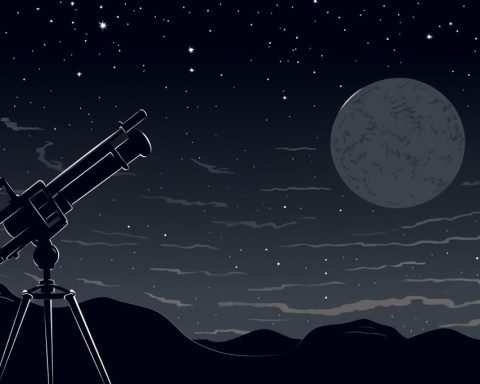
If you’re interested in the wonders of the night sky, August is a great month to look up. Cape Town offers numerous astronomical events this month, including planetary sightings and meteor showers.

Moon and Saturn’s Close Approach – 3 August

On August 3, you can witness a captivating sight: a bright, 92% illuminated waxing gibbous moon hovering just 2º15′ from Saturn. While visible to the naked eye, you can enhance your viewing experience with binoculars or a telescope. This will allow you to see Saturn’s rings and the moon’s surface more clearly. The pair can be seen after rising at 7:58 pm until setting at 9:05 am.

Newsletter

Stay Informed • Cape Town

Get breaking news, events, and local stories delivered to your inbox daily. All the news that matters in under 5 minutes.

Join 10,000+ readers
No spam, unsubscribe anytime

Moon and Jupiter’s Close Approach – 8 August

A week after Saturn’s rendezvous, Jupiter accompanies the moon in the constellation Aries, appearing 2º39′ apart. The pair can be seen after rising at 1:06 am until setting at 11:50 am. You can use your favorite stargazing equipment for a closer look or hop between them with unaided eyes.

Perseid Meteor Shower Peak – 12 August

On the night of August 12, the highly-anticipated Perseid meteor shower will peak, potentially displaying up to 100 shooting stars per hour. Although the moon is nearing its invisible Micro New Moon phase, providing ideal viewing conditions, the shower may still be challenging to witness from certain locations. The Perseids are active until September 1 and should not be missed.

Micro New Moon – 16 August

August’s new moon is unique because it occurs at its furthest point from Earth (apogee), making it a “Micro New Moon.” While invisible due to its proximity to the sun’s glare, it creates the perfect conditions for stargazing.

Saturn at Opposition – 27 August

Saturn will be at opposition on August 27, meaning Earth sits perfectly between Saturn and the sun, with Saturn closest to our planet. You can observe Saturn in the constellation Aquarius without special equipment. A telescope will offer a more detailed view of the planet and its famous rings. Saturn can be observed between 7:11 pm and 6:30 am, reaching its highest point just before 1 am. For optimal viewing, consult a night sky app as the moon will be 85% illuminated.

Moon and Saturn Conjunction – 30 August

On August 30, another conjunction will occur as the 14-day-old moon passes 2º29′ south of Saturn in the constellation Aquarius. You can see the pair after rising at 6:02 pm until setting at 7:13 am. While you can appreciate their proximity with the naked eye or binoculars, they’ll be too spread out for telescopic viewing.

Super Blue Moon – 31 August

The month ends with a rare celestial event: a Super Blue Moon. This phenomenon refers to a full moon that is both the second within a single month and a Supermoon. The last time this event occurred was in December 2009, and it won’t happen again until August 2032. Mark your calendars for this breathtaking sight, a fitting finale to an extraordinary month of celestial wonders.


Lerato Mokena is a Cape Town-based journalist who covers the city’s vibrant arts and culture scene with a focus on emerging voices from Khayelitsha to the Bo-Kaap. Born and raised at the foot of Table Mountain, she brings an insider’s eye to how creativity shapes—and is shaped by—South Africa’s complex social landscape. When she’s not chasing stories, Lerato can be found surfing Muizenberg’s gentle waves or debating politics over rooibos in her grandmother’s Gugulethu kitchen.

Leave a Reply

Your email address will not be published.

Previous Story

Lebo M and Pretty Samuels’ Marriage: A Surprising Turn of Events

Next Story

Kaizer Chiefs Making Bold Moves in the Transfer Market

Latest from Blog

Forty Metres of Air: The Morning Kiteboarding Rewrote Physics

Hugo Wigglesworth, a young kiteboarder, defied gravity and rewrote the record books by soaring an incredible 40 meters into the air. He used powerful winds, a perfectly timed jump off a wave, and special gear to achieve this amazing feat. His careful planning and hundreds of practice runs made him fly higher than anyone before, showing the world what’s possible in kiteboarding.

Airbnb Under Fire: How Cape Town’s Housing Crunch Became a Tourism Blame-Game

Cape Town’s housing woes are NOT really Airbnb’s fault, even though a viral photo tried to blame them! The real problem is that not enough homes are being built, and lots of new people are moving to the city. Getting building permits takes forever, making homes expensive. Airbnb brings in lots of money and jobs, and even if all Airbnbs disappeared, it wouldn’t fix the big housing shortage. The city needs to build more homes and make it easier to do so, not just point fingers at tourists.

Cape Town’s Hottest Tables: Where Summer Tastes Like Salt, Smoke and Midnight Vinyl

Cape Town’s new restaurants are super exciting, offering amazing tastes from the ocean, farms, and even old recipes. Places like Amura serve unique sea dishes, while Tannin has a huge wine list and tiny plates. Café Sofi bakes heavenly pastries, Beach Buns makes awesome burgers, and Le Bistrot de JAN mixes French and South African flavors. These spots let you taste the city’s lively food scene, from fancy dinners to casual beach eats, making every meal an adventure.

Between Concrete and Current – Four Inland Hearts Meet the Indian Ocean

This article tells a beautiful story of four South Africans from inland places who see the Indian Ocean for the very first time. For many, the sea is just a picture, far away and hard to reach. But when these brave people finally touch the salty water, it changes them deeply. They feel the ocean’s power, taste its salt, and understand that this huge, blue world is now a part of their own story, breaking down old ideas about who can connect with the sea.