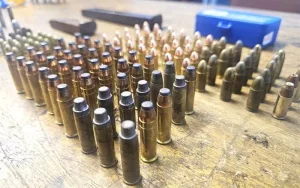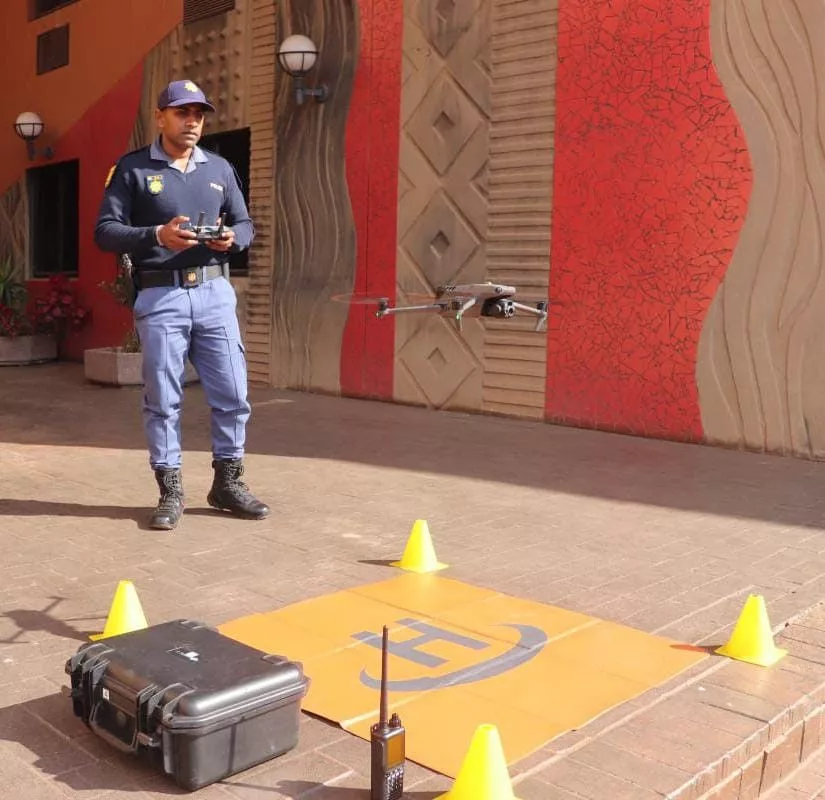
Cape Town is fighting a tough battle against gang violence, but its AntiGang Unit is running out of the tools they need like vehicles, guns, and protective gear. Without enough resources and the legal power to fully investigate crimes, catching and convicting criminals is very hard. The city is trying new ideas, using technology and training officers better, while asking for more authority to gather evidence and make stronger cases. Despite the challenges, Cape Town’s leaders and communities are determined to bring safety back to their streets and give hope to a brighter future.
Influencers in South Africa sometimes promote overseas jobs that look exciting but can hide serious dangers like human trafficking and forced labor. Young people, especially women, might be tricked by these false promises because they trust their favorite online stars. Behind the bright posts and videos, some offers lead to abuse and loss of freedom. It’s very important to check carefully and ask for help before chasing these opportunities. This story warns us all to be careful and question what we see online.
Taxi violence in Cape Town is a harsh fight over busy taxi routes, born from years of struggle and need. Early morning scenes at taxi ranks like Makhaza show how quickly peace shatters with gunshots, leaving communities scared and grieving. These battles disrupt daily life, making travel dangerous and markets quiet. Still, amid fear and loss, people keep hoping, coming together to find ways to stop the violence and protect their streets. The taxi ranks tell stories of pain, survival, and the strong spirit of a city that refuses to give up.
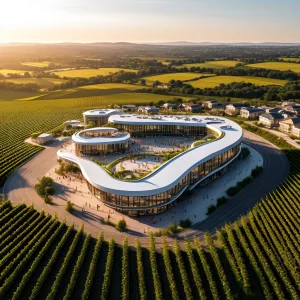
Groot Phesantekraal View is a bright new heart in Durbanville, mixing shopping, eating, and even a cool 200meter shooting range. It brings people together, creates jobs, and helps the town grow while cherishing its farming roots. With wide sunny walkways and shops for all needs, it feels like a fresh, welcoming spot where old and new meet. This centre shows Durbanville’s exciting change from quiet countryside to lively modern town.
Cities fight illegal dumping with strong laws, punishing offenders by impounding vehicles and issuing fines. Police patrol trash hotspots while communities help by reporting illegal dumpers and watching over neighborhoods. New cameras and better waste facilities make it easier to catch and stop those who dump waste carelessly. Together, officials and citizens work to keep the city clean, safe, and full of pride for everyone to enjoy.
City Bowls and Kristen’s Kick Ass Ice Cream are teaming up to bring a fresh and exciting way to enjoy food in Cape Town’s city bowl. They offer healthy, proteinpacked fusion bowls alongside creative, ethical ice cream flavors, all made in modern deliveryonly kitchens. This means busy city folks can easily order tasty, nourishing meals and treats right to their door. Their partnership blends good food with convenience, making eating well simple and fun. Together, they are changing how Capetonians experience urban dining, mixing health and joy in every bite.
Dricus du Plessis, a South African UFC fighter, stirred strong feelings by speaking out about violent attacks on farmers in South Africa, calling it “white genocide.” His words reopened old wounds about race, land, and safety in a country still healing from its troubled past. The debate grew fierce online and beyond, mixing sports, politics, and deep fears about identity. For many, du Plessis is a symbol of courage and struggle, while others see his remarks as dangerous and divisive. This controversy shows how South Africa’s painful history still shapes its present, with stories of violence and resilience entwined in the nation’s soul.
Cape Town is fighting to get more control over its local police to better fight gang violence, drug crimes, and gun offenses. The city wants to handle investigations, gather intelligence, and manage forensic testing to make neighborhoods safer. This push comes from the real struggles many communities face daily, where crime affects people’s lives deeply. Cape Town’s leaders hope that by having more power locally, they can protect their people more effectively and build trust between police and residents. The battle for these powers is also part of a bigger story about who should hold control and how to best keep cities safe.
Operation Dudula, a movement in South Africa, has stirred up strong feelings about who should use public healthcare and schools. They argue that foreign nationals take away services meant for locals, leading to protests and tension in clinics and schools. The government, however, stands firm that everyone in the country deserves access to healthcare and education, reminding people to stay kind and follow the law. Despite challenges, many South Africans continue to work together, believing that respect and unity are key to a fair and caring society.
South Africa is boldly transforming its economy by fixing energy supply, inviting private investment, and pushing green industries and digital access. President Ramaphosa calls for Africa to lead globally, not just follow, using partnerships like the African Continental Free Trade Area to boost trade and jobs. By working closely with countries like Japan, South Africa seeks fair trade and shared growth, focusing on innovation, youth, and sustainable progress. This new vision sees Africa as a confident, creative force shaping its own future.
Shakira’s “Waka Waka (This Time for Africa)” became a powerful song that brought the world together during the 2010 FIFA World Cup, mixing African beats with pop music. It celebrated African culture and gave African artists like Freshlyground a big stage. However, behind the joy, questions arose about whether the song’s profits really helped the promised charities and if the original African creators were fully recognized. The song’s story shows how music can unite people but also reminds us that fairness and honesty matter when sharing success.
The Bhisho Passing Out Parade was a powerful day filled with pride and promise as 849 recruits became police officers, ready to serve and protect South Africa. The ceremony honored the sacrifices of those who came before and reminded everyone that wearing the uniform means a serious duty to the community and human rights. Acting Minister Firoz Cachalia urged the new officers to act with courage, honesty, and respect, even when it’s hard, to build trust and safety in a country facing tough challenges. This event marked not just a career milestone, but a heartfelt commitment to making South Africa safer and fairer for all.
Cape Town offers amazing adventures that won’t cost you more than R500! You can race over golden sand dunes on a quad bike, swing through treetops at Acrobranch, or explore peaceful wetlands at Intaka Island. Families can have a blast at Bugz Playpark, where kids run free and laughter fills the air. Whether you want thrilling action or calm nature, Cape Town has fun, affordable ways to make your day unforgettable.
Madame Zingara is a magical, lively show and dining experience in Cape Town, held inside a beautiful old mirrored tent. It mixes circus, cabaret, and bold food to create a night full of surprises, music, and wonder where guests become part of the fun. More than just a restaurant, it brings people together to share joy and stories under sparkling mirrors. After a pause, Madame Zingara is returning, ready to light up Cape Town nights once again with its wild, playful spirit. It’s a place where fantasy and reality dance together, inviting everyone to dream big and celebrate life.
The NSFAS student housing crisis in South Africa is causing real pain for students, with delayed payments risking evictions and interrupting their studies. The DA is pushing hard for a clear, public legal review to hold NSFAS accountable and fix these problems. Many students live in fear, unsure if they’ll have a safe place to stay, while officials keep promises but offer little real change. This struggle shows how vital honest action is to protect students’ right to both education and shelter.
In Cape Town, breastfeeding is more than a personal choice it’s a community effort. Through events like World Breastfeeding Week and lively “First 1000 Days” meetings called Indabas, mothers, families, and health workers come together to share support and knowledge. Trained counselors also visit homes to help moms overcome challenges, making sure no one feels alone. This city’s warm, caring approach builds strong families and healthy futures, showing how community love can nurture the youngest lives.